Being an Inclusive Wedding Photographer in Savannah, Georgia
Savannah is a city shaped by creativity, history, and individuality. It’s also a place where weddings don’t always follow tradition—and for many couples, that flexibility is essential.
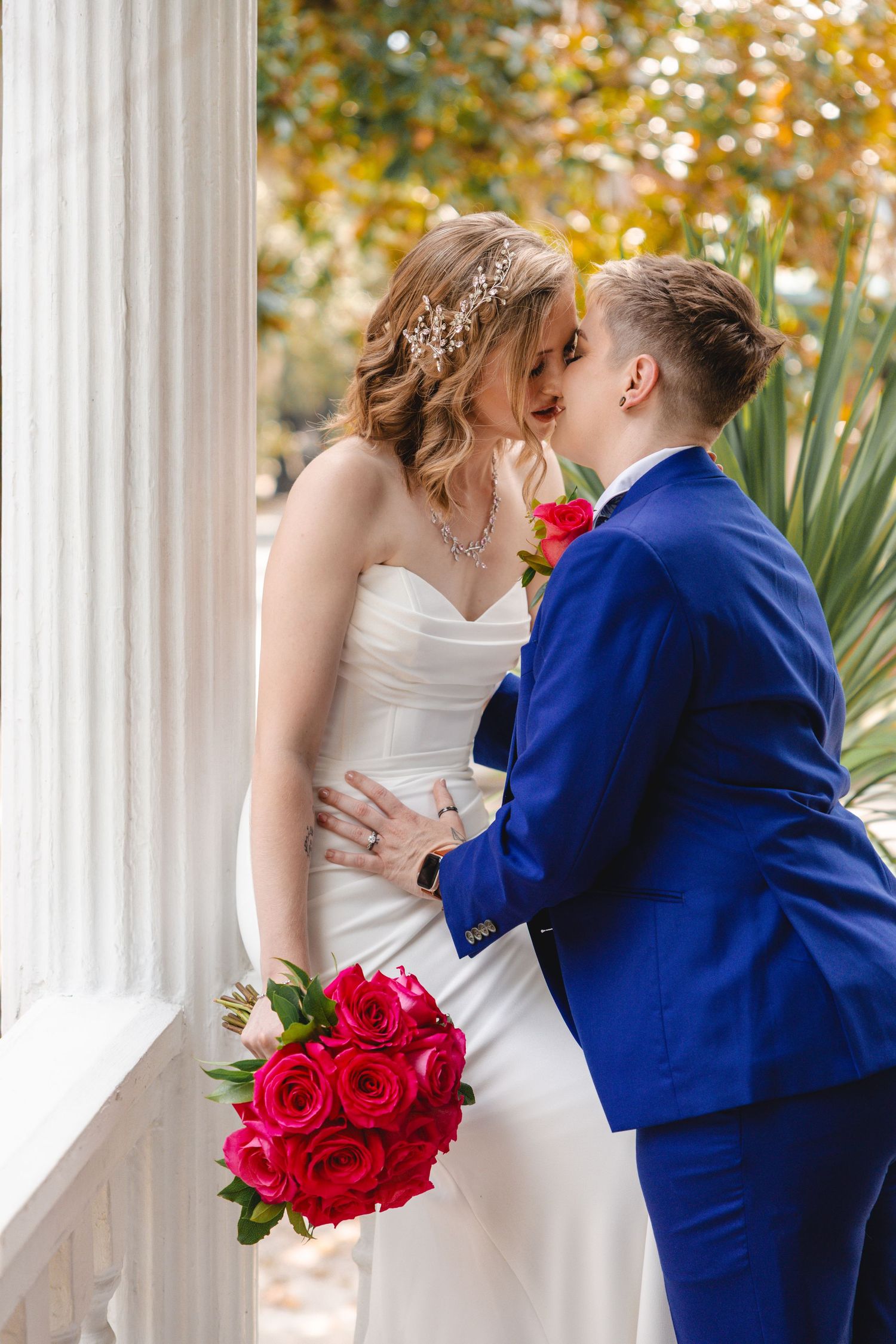
Being an inclusive wedding photographer in Savannah means more than documenting a beautiful day. It means showing up with empathy and respect, and creating an environment where people of all identities, bodies, and backgrounds feel seen, safe, and valued.
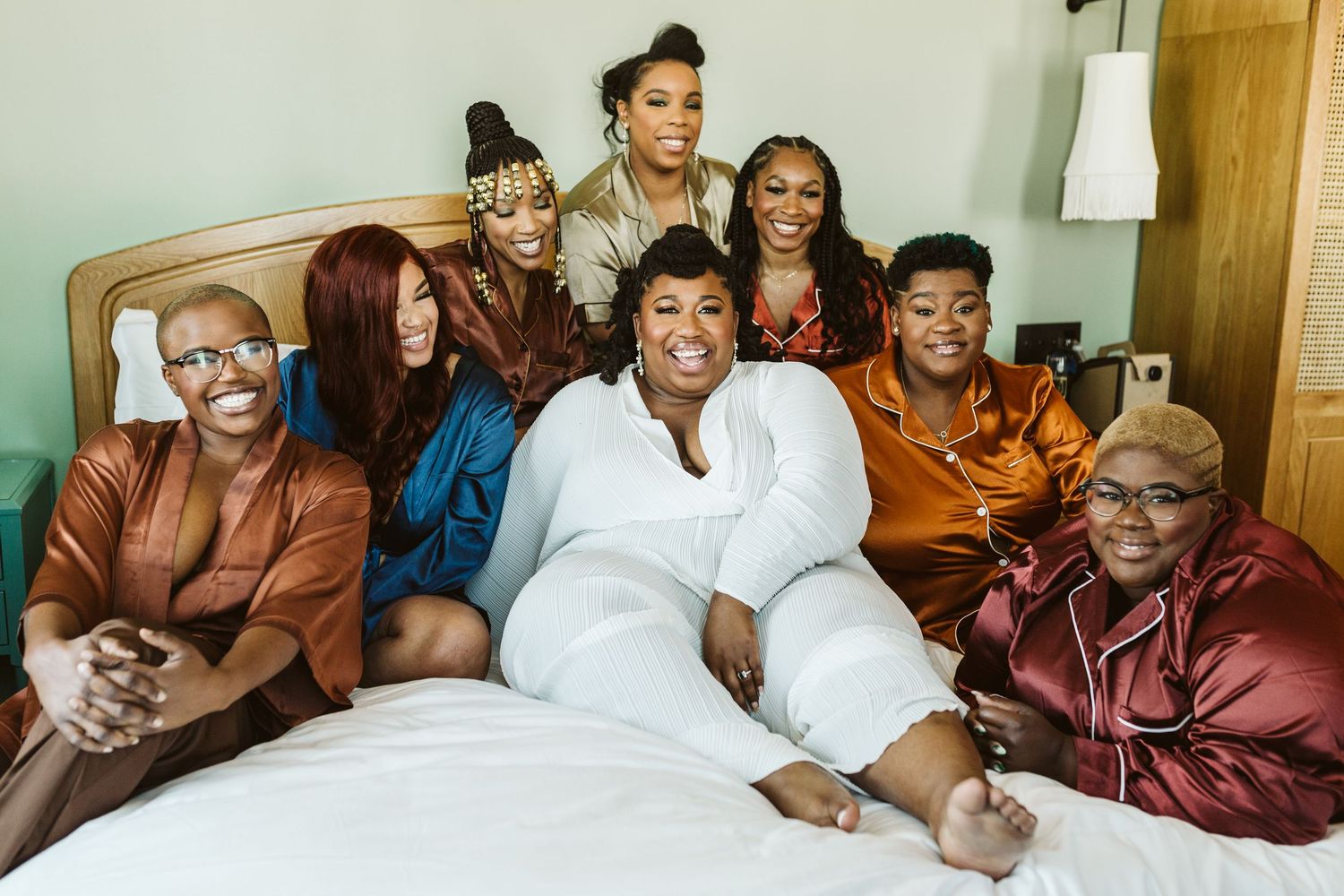
Captured for Mackensey Alexander
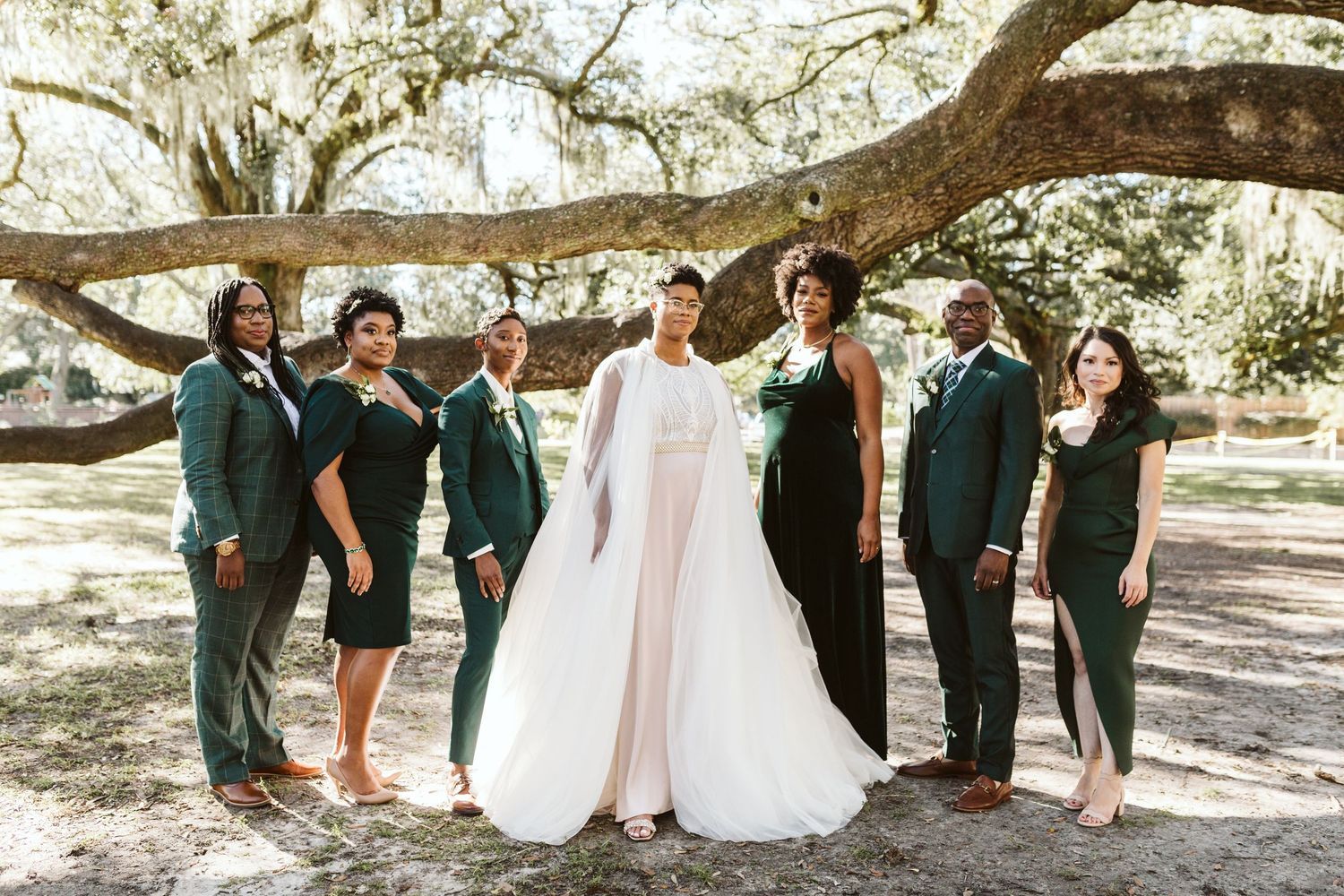
captured for Mackensey Alexander
What Inclusive Wedding Photography Actually Means
Inclusive wedding photography is not a label—it’s a practice.
It starts with:
- Language that doesn’t assume gender, roles, or family structures
- Forms and conversations that allow couples to define themselves
- An awareness that bodies, identities, and relationships are diverse
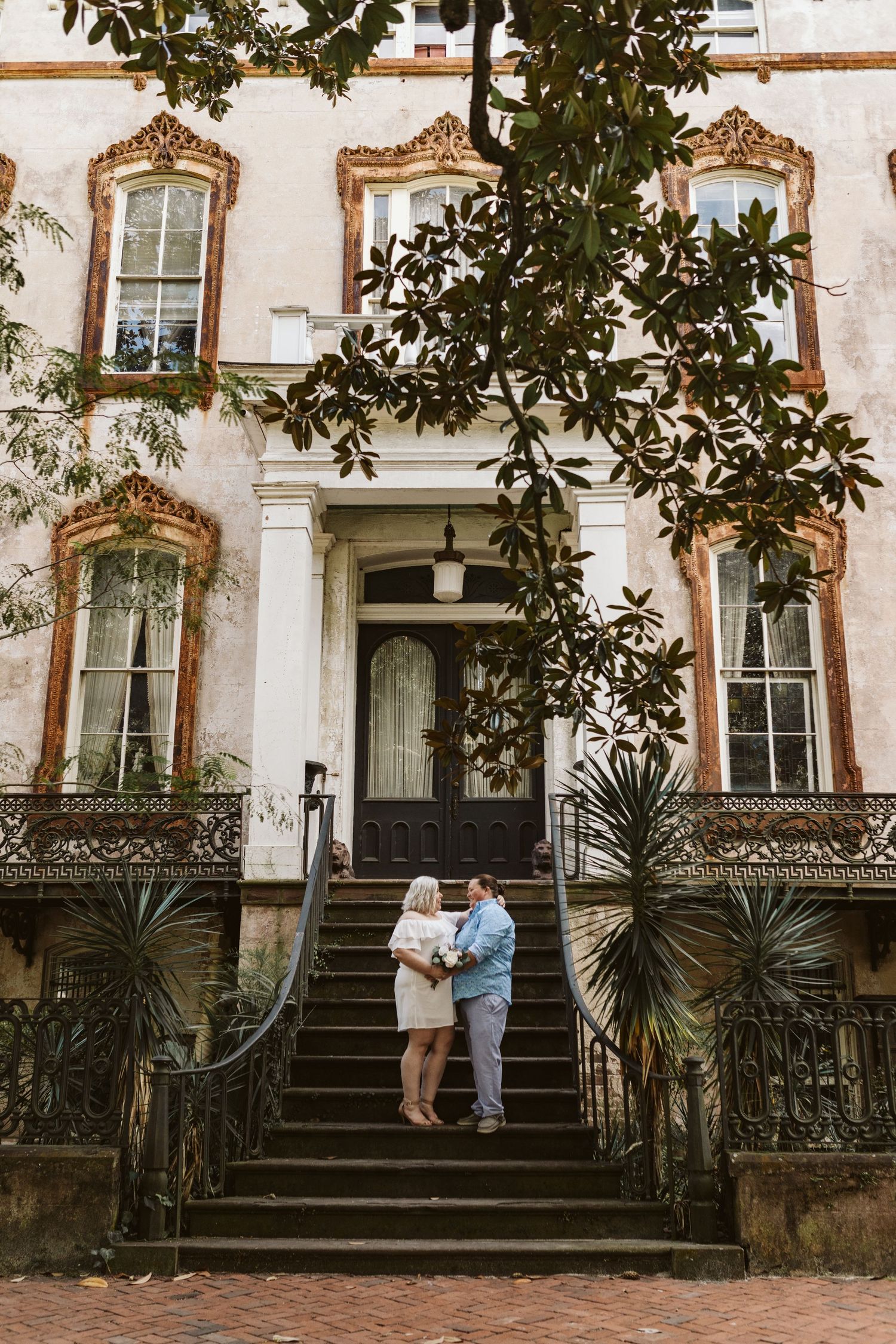
In Savannah, weddings range from Forsyth Park ceremonies to restaurant receptions and historic venues. Inclusion means honoring each couple’s reality without expectation or judgment.
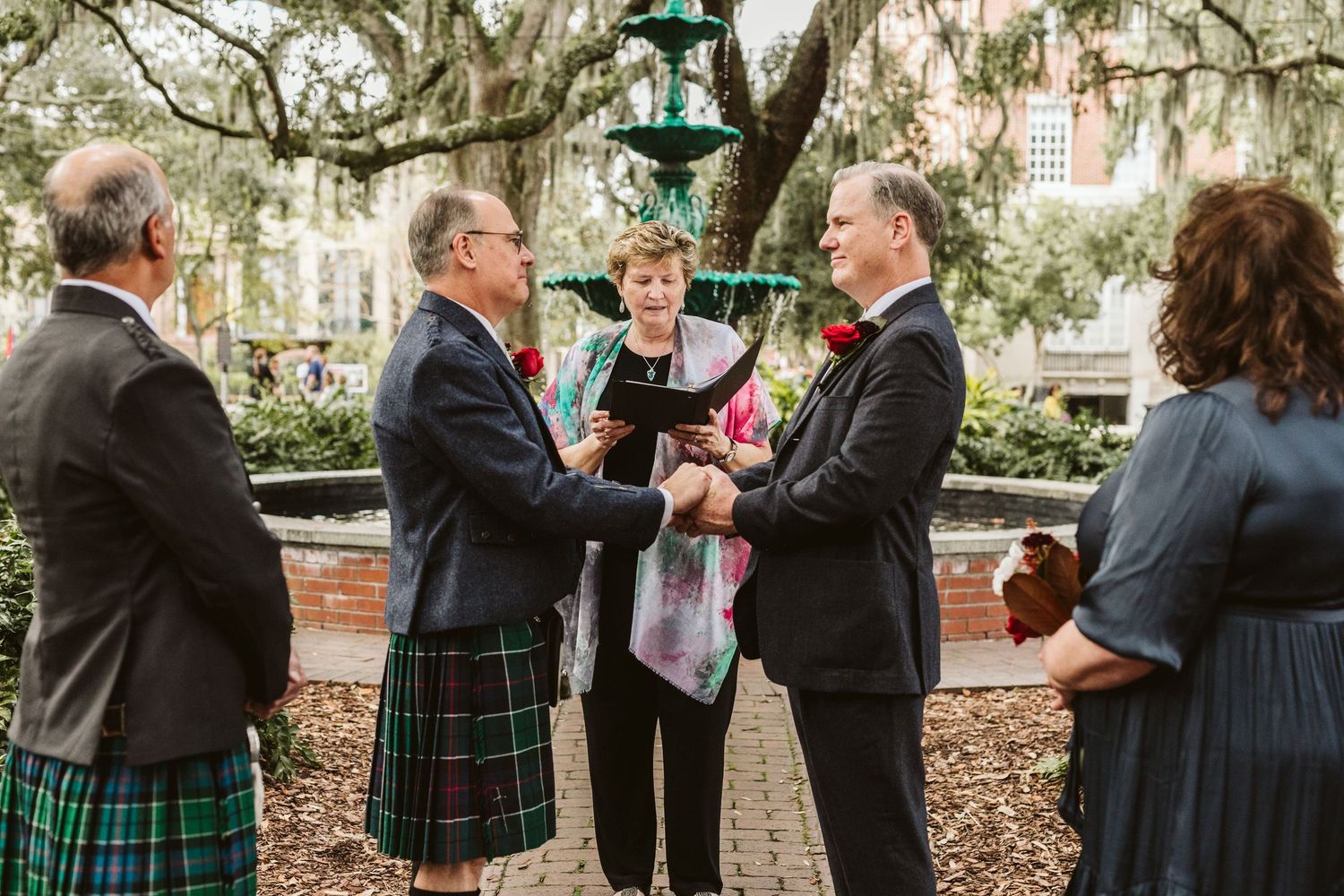
LGBTQ+ Weddings in Savannah Deserve Care
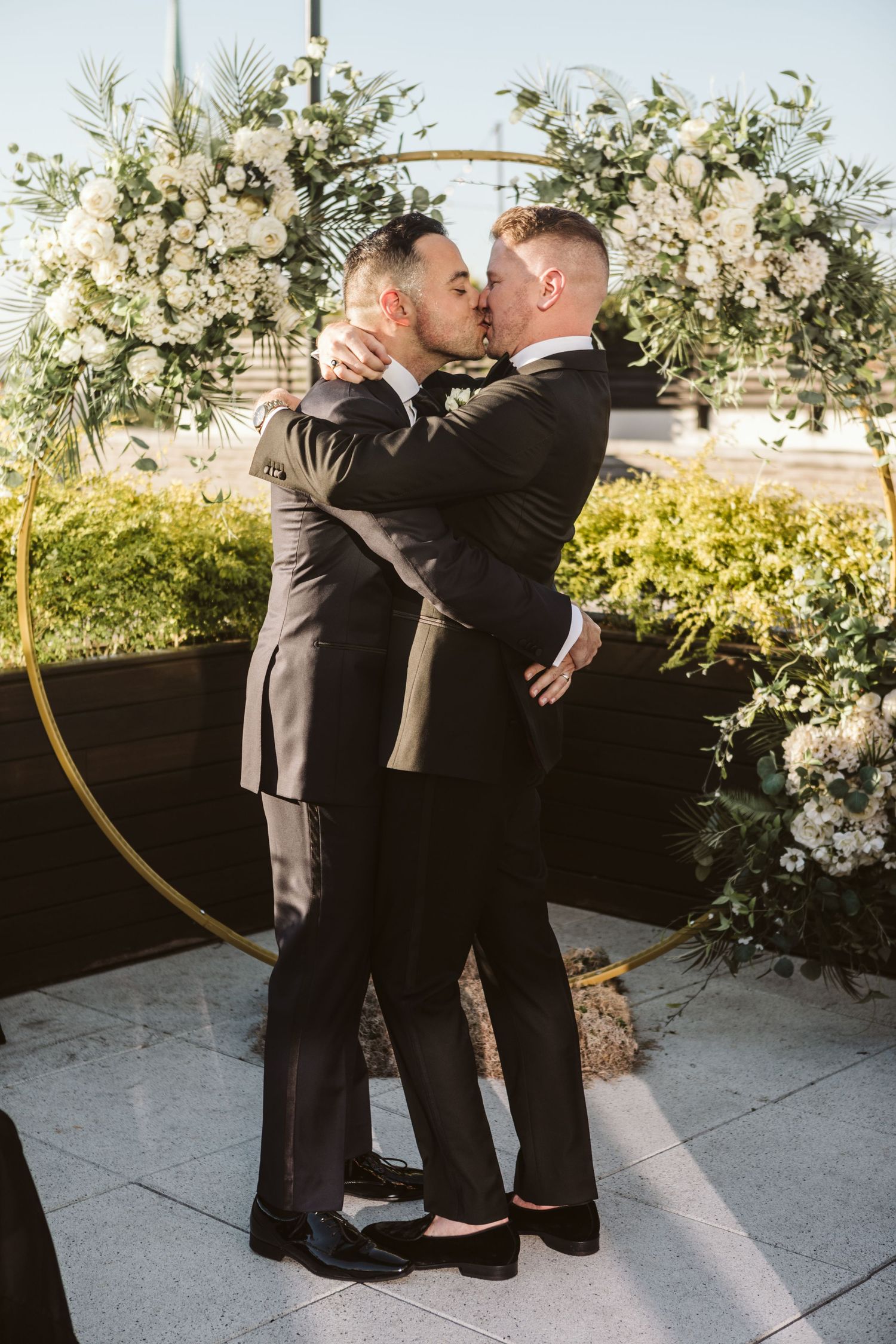
Savannah has become an increasingly meaningful destination for LGBTQ+ weddings. Its walkable neighborhoods, creative culture, and range of nontraditional venues make it a place where queer couples can design wedding days that feel personal and intentional.
That said, visibility still requires care.
An inclusive Savannah wedding photographer understands:
- That LGBTQ+ couples may have complex relationships with tradition
- That chosen family is often central
- That comfort, safety, and trust are just as important as aesthetics
Photography should never add pressure. It should offer steadiness.
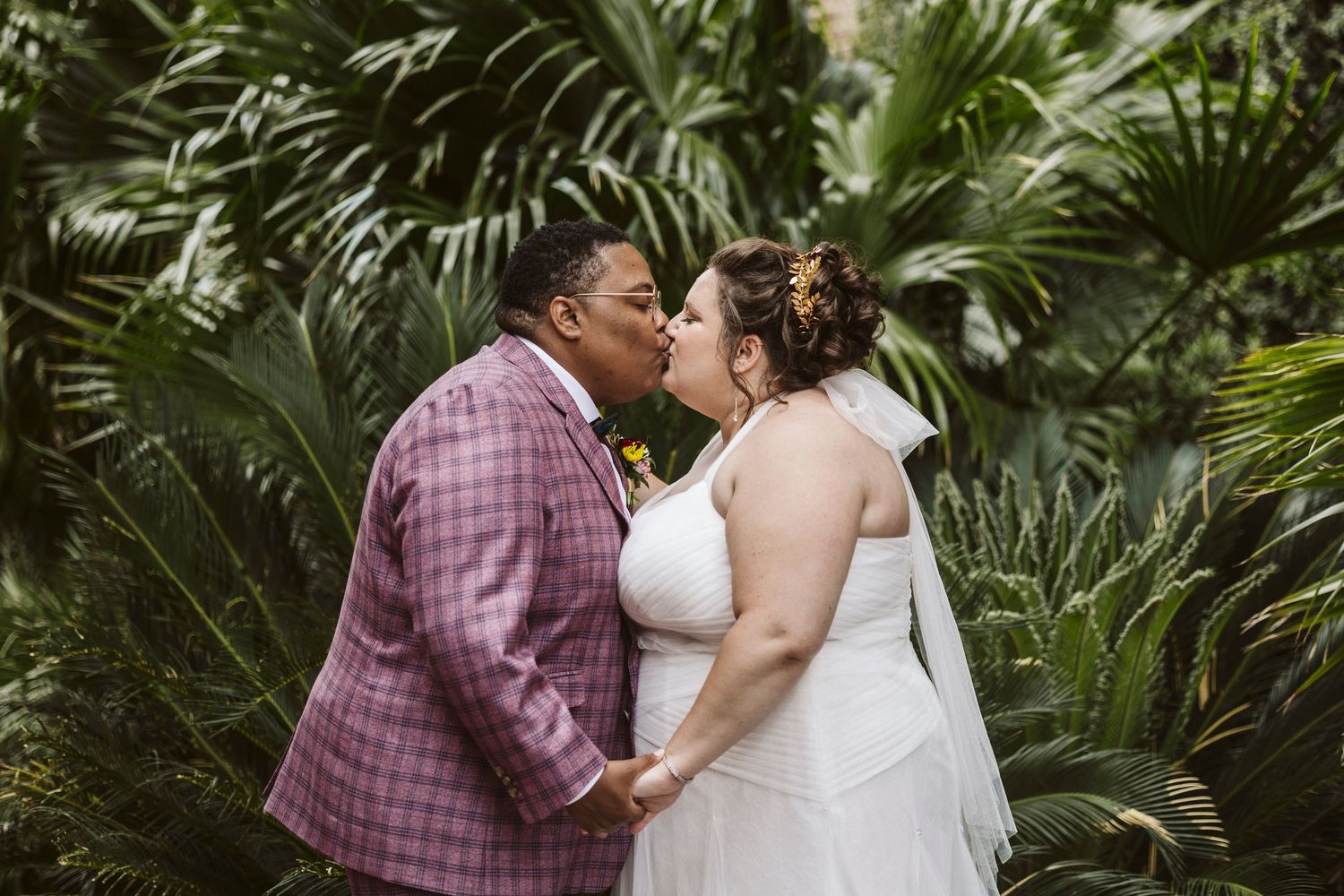
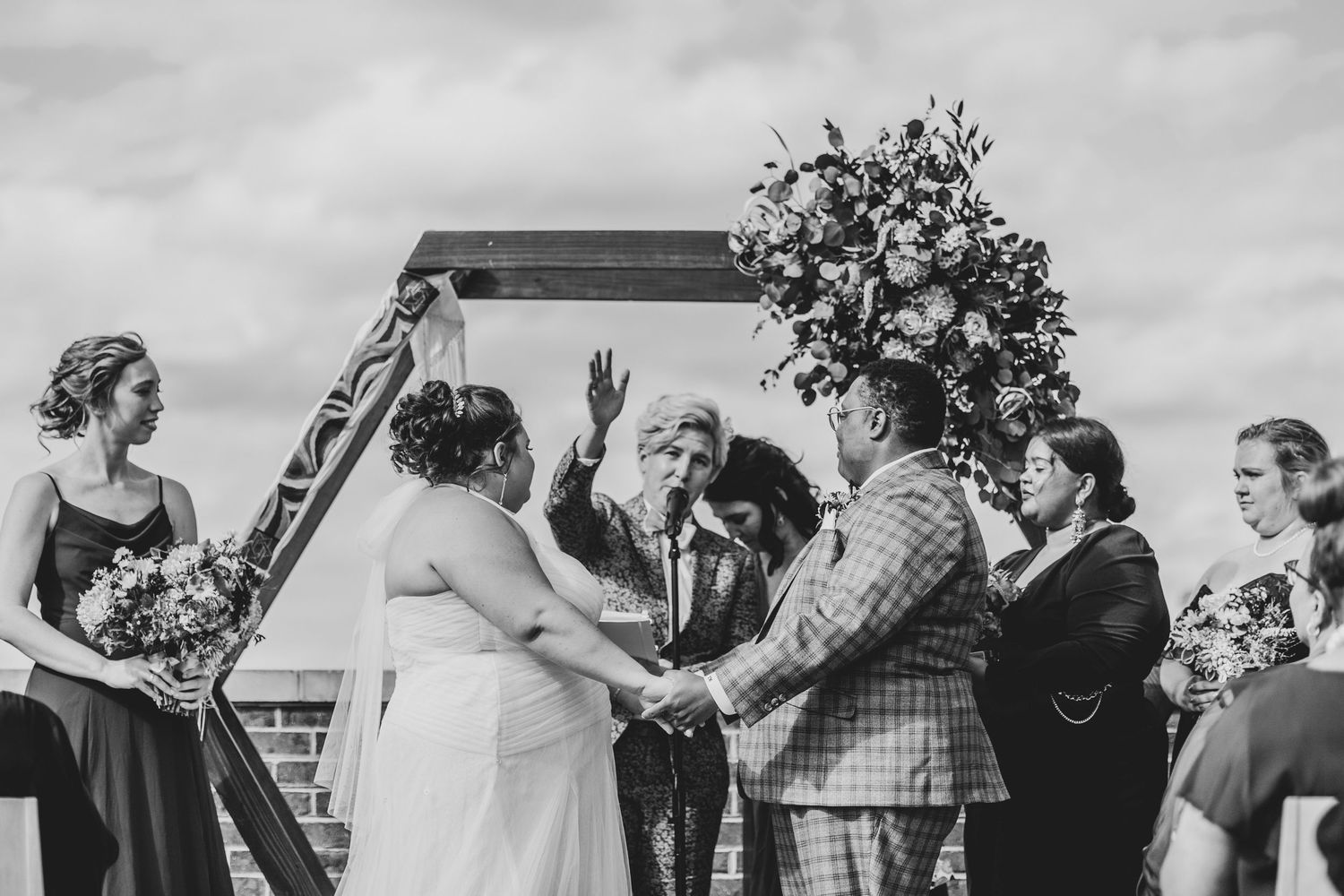
Body Diversity Matters — Including Fat People
Inclusive wedding photography must include people of all body sizes, including fat people, without qualification or apology.
Respectful photography means:
- Never treating certain bodies as a “challenge”
- Posing people in ways that feel dignified and natural, not minimizing or hiding
- Avoiding language or framing that centers thinness as the standard
- Photographing joy, connection, and presence—not insecurity
Fat people deserve to be photographed with the same care, artistry, and respect as anyone else. Full stop.
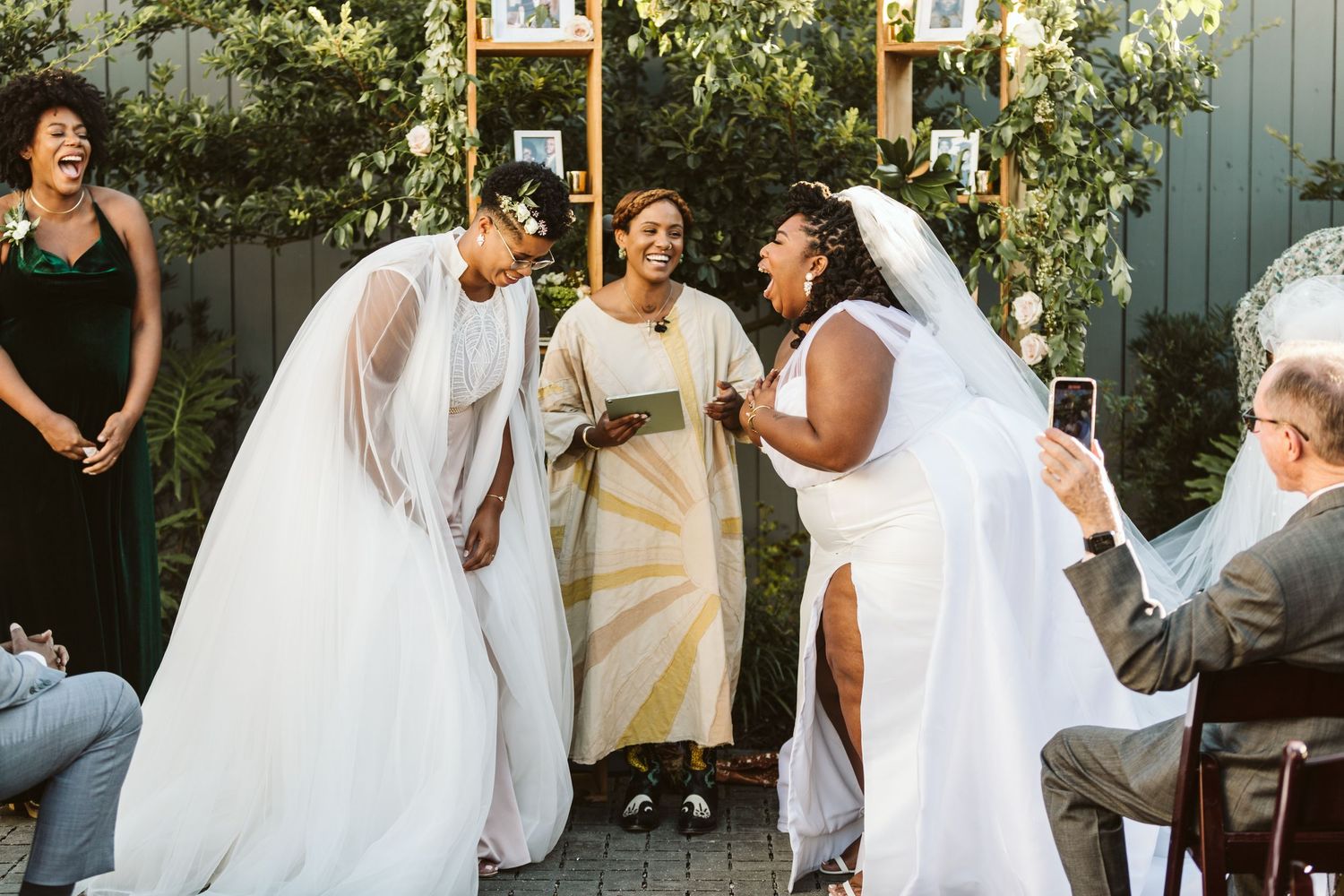
captured for Mackensey Alexander
Age Inclusion Matters, Too
Inclusive wedding photography also means honoring people who are getting married later in life—something that is still surprisingly overlooked in the wedding industry.
People marry at many stages of life. Some are finding love after divorce, after loss, after years of building careers or families, or simply when the timing finally feels right. These couples are often underserved by wedding media that centers youth as the default narrative.
Respectful photography means:
- Never treating age as something to minimize or work around
- Photographing couples with the same excitement, romance, and care regardless of how old they are
- Understanding that later-in-life weddings often carry deep intention, clarity, and emotional richness
Love does not expire, and celebration does not have an age limit. Everyone deserves to be documented with dignity, joy, and presence—especially those who are too often left out of the conversation.
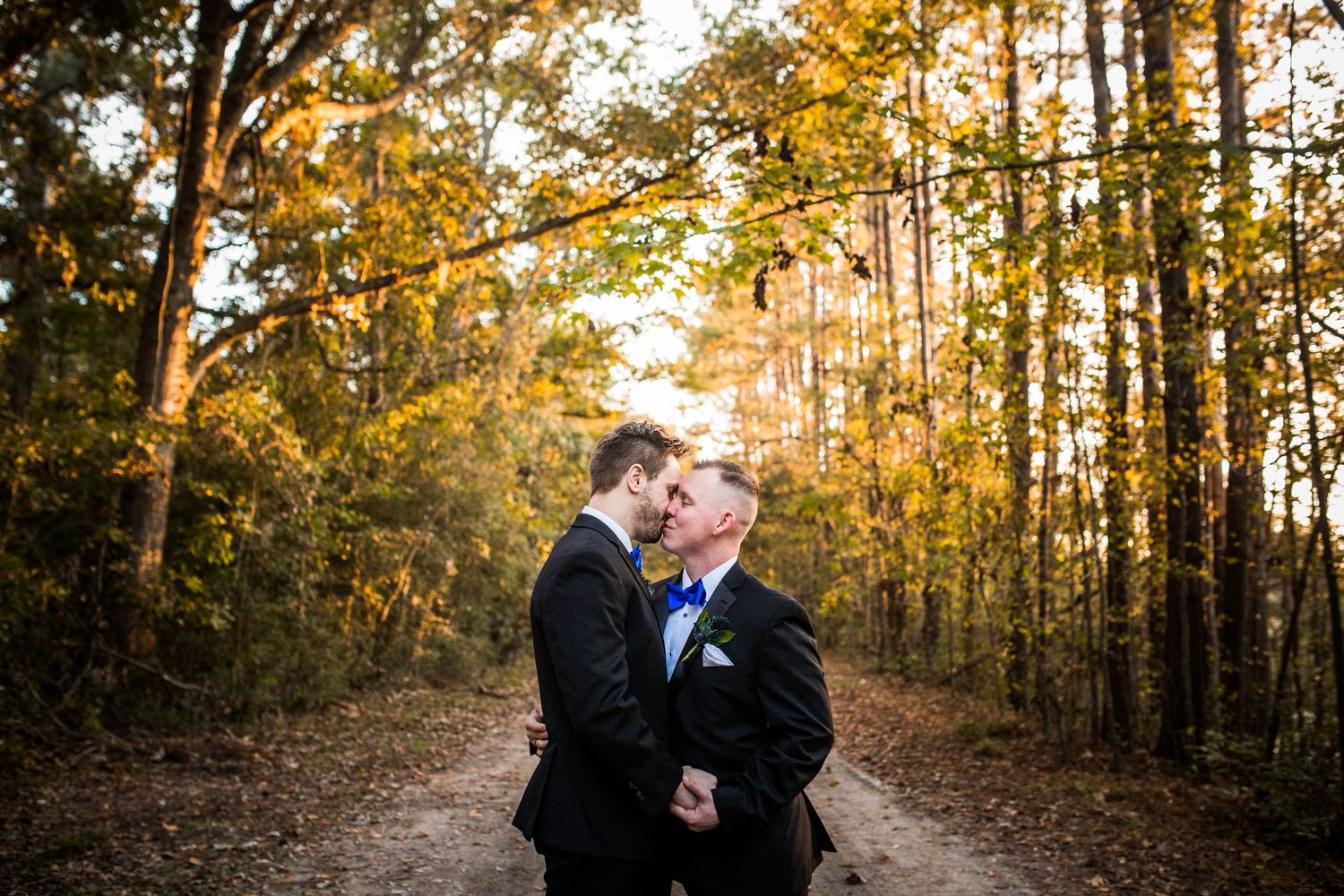
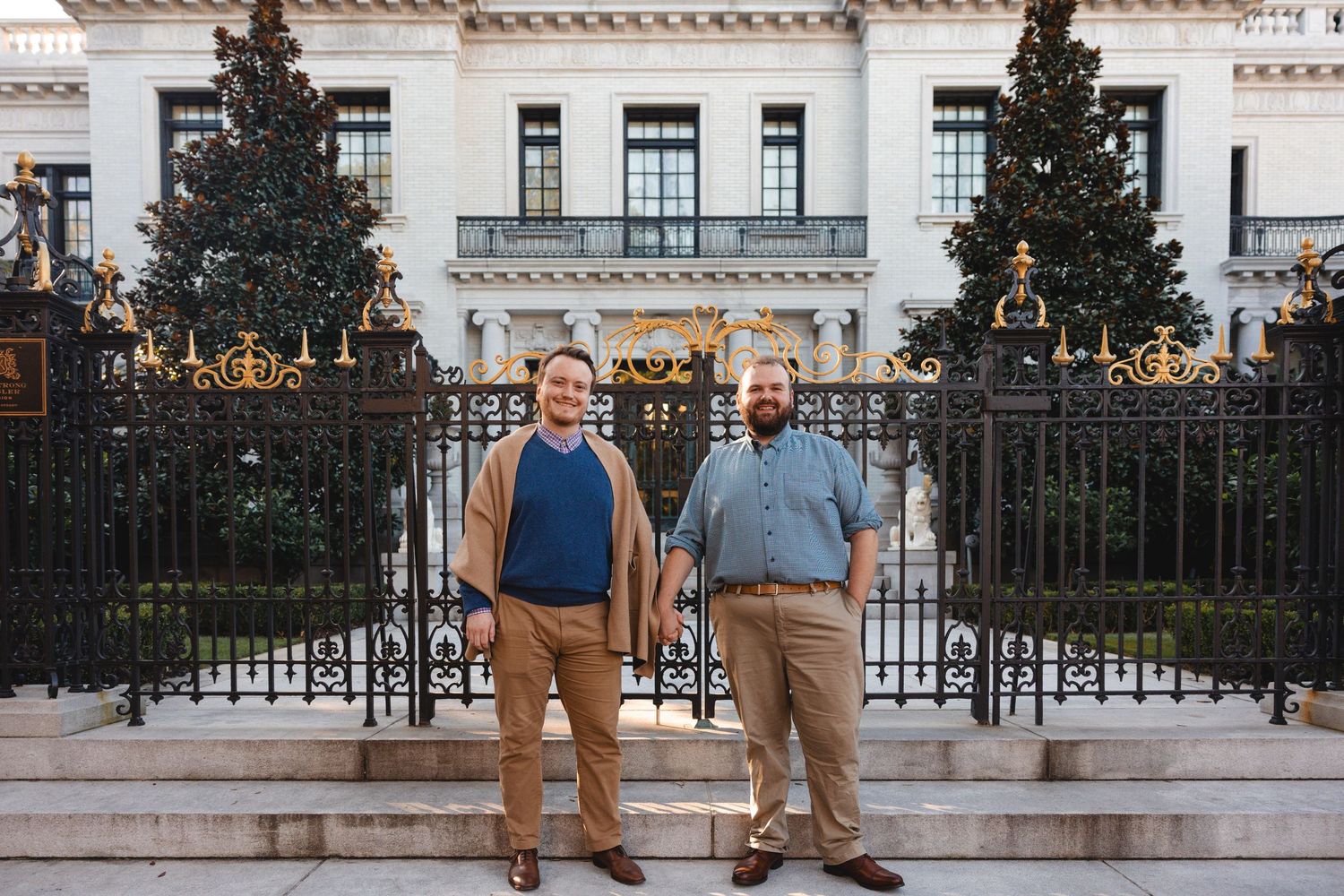
Respecting Identity, Culture, and Chosen Family
Weddings bring together many intersecting identities—gender, sexuality, culture, religion, ability, and body diversity.
Inclusive photography means:
- Letting couples define how they want to be seen
- Respecting cultural or personal boundaries
- Understanding that not all family dynamics are simple or supportive
Savannah weddings are often intimate and community-focused. Inclusive photography ensures everyone who matters is documented without hierarchy or assumption.
Why Inclusion Matters in Savannah Wedding Photography
Savannah’s beauty draws people in, but values are what make them feel at ease.
Inclusive wedding photography ensures that couples and guests:
- Feel respected in their identities and bodies
- Are represented honestly, not idealized or corrected
- Receive images that reflect who they actually are
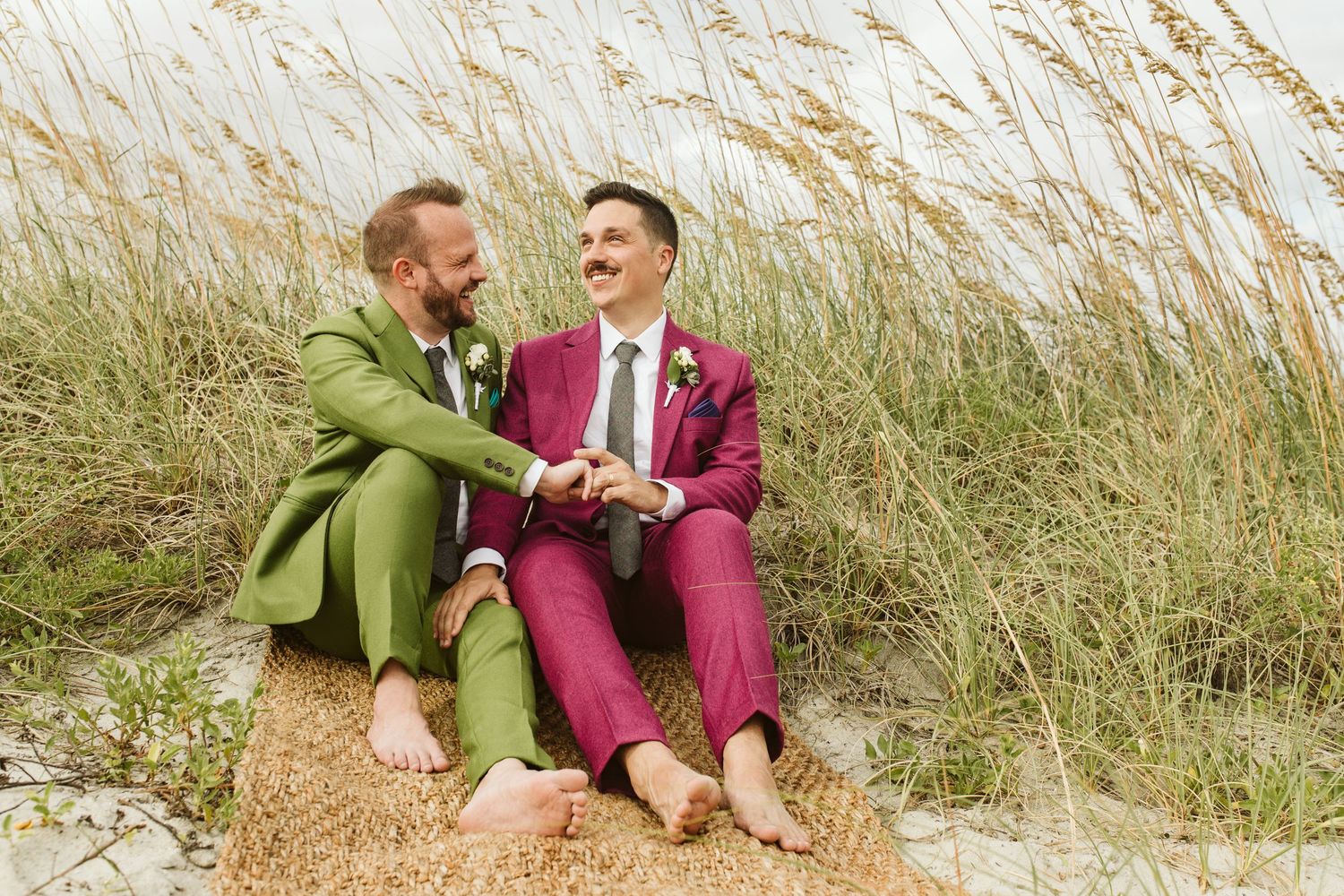
This is especially important for LGBTQ+ couples and anyone who has felt unseen or misrepresented in traditional wedding spaces.
Inclusion Is an Ongoing Commitment
Inclusion is not a box to check. It requires continued learning, reflection, and accountability.
That means:
- Listening when clients share their needs
- Adjusting language and practices as necessary
- Acknowledging blind spots
- Leading with humility
The goal is not perfection. It is care.
Final Thoughts
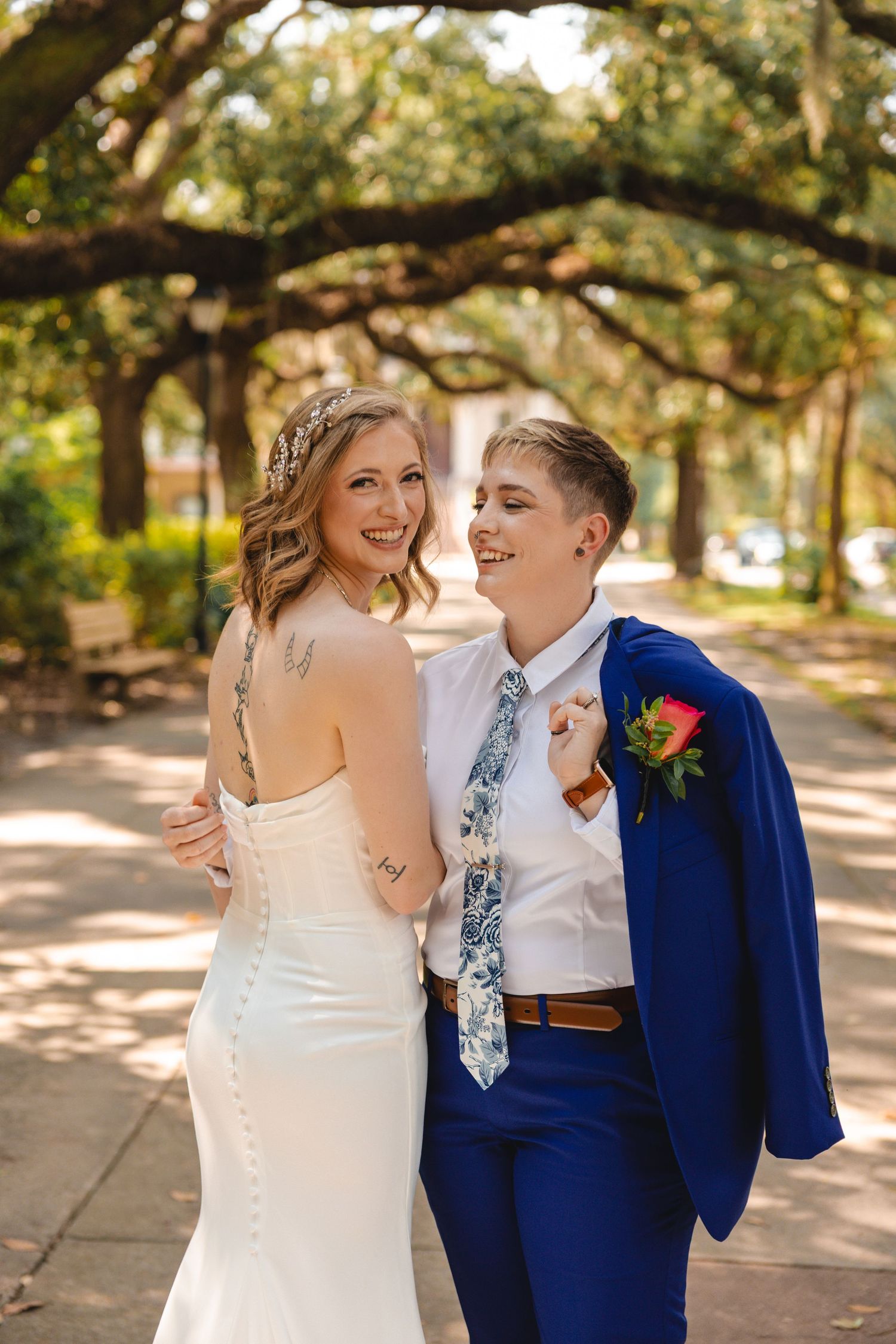
Savannah weddings are often thoughtful, expressive, and deeply human. Inclusive wedding photography ensures those stories are told with respect, empathy, and honesty—for LGBTQ+ couples, fat people, people of color, weirdos, and anyone who deserves to feel fully themselves.
Respect and empathy are not optional values here. They are foundational.