Southern weddings are often celebrated for their beauty—oak trees, water views, historic architecture, warm light. In places like Savannah and the Lowcountry, venues are frequently marketed as “classic,” “timeless,” or “elegant,” with little acknowledgment of the histories tied to those spaces.
But many Southern venues are not neutral spaces.
Plantations are the most obvious example, but they are not the only ones. The South is full of places whose beauty exists alongside histories of exclusion, exploitation, and harm—histories that are often left unnamed.
Beyond Plantations: A Broader Context
Plantations are sites of forced labor, violence, and generational trauma. That reality deserves to be named clearly. But focusing only on plantations can oversimplify the issue and allow other spaces to escape scrutiny.
Many venues that feel more “palatable” or less overtly historical—such as yacht clubs, golf clubs, private estates, and social clubs—also have complicated pasts. Some enforced racially exclusionary policies well into the late 20th century. Others restricted membership based on race, religion, or class until relatively recently. In some cases, those policies were still in place during our parents’ or even our own lifetimes.
For many Black Americans, these spaces carry histories of exclusion that are not distant or abstract. They are lived, remembered, and ongoing. The fact that a venue feels beautiful or neutral today does not mean its history has been resolved or reconciled.
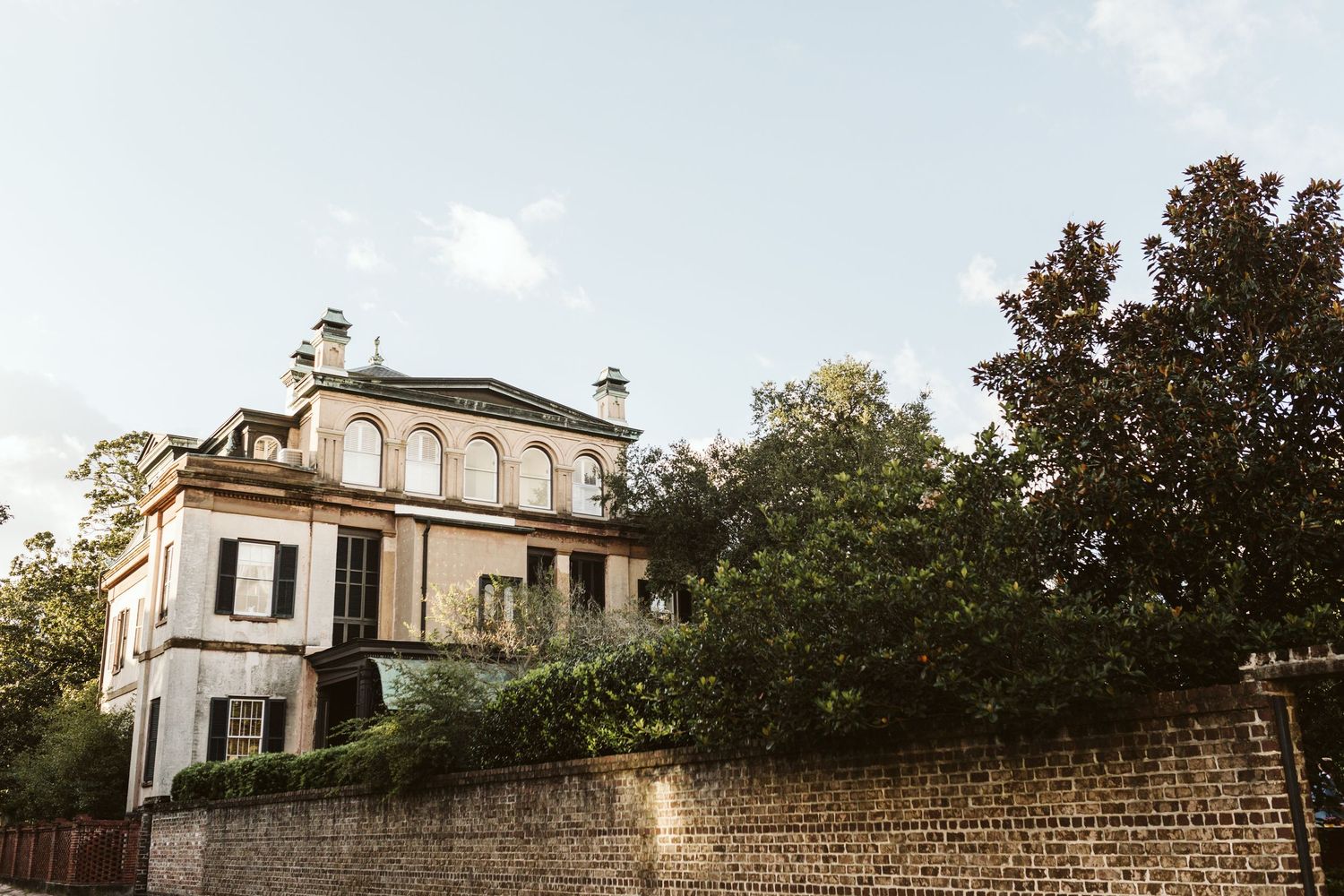
Harper Fowlkes House, Savannah, GA
Holding Beauty and History at the Same Time
It’s possible to appreciate the aesthetics of a place while also acknowledging the harm embedded in its past. What becomes harmful is when that past is ignored, erased, or romanticized—especially during an event as symbolic as a wedding.
Weddings are not just parties. They are rituals. They say something about who we are, what we value, and what stories we are willing—or unwilling—to hold alongside joy.
This isn’t about assigning blame to couples. Most people are not intentionally choosing harm. Many are simply navigating an industry that rarely encourages deeper reflection. But intention doesn’t erase impact, and reflection is part of responsibility.
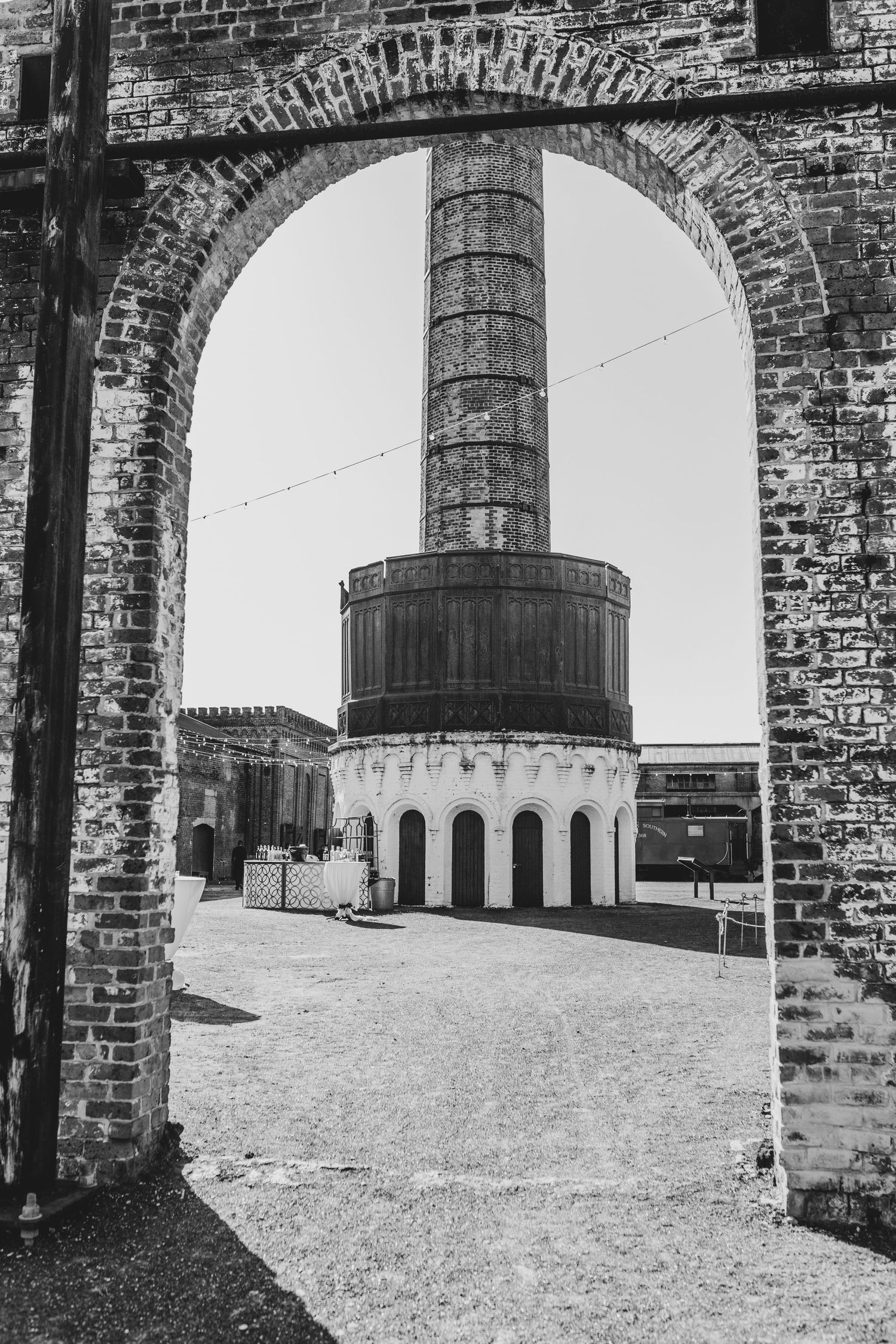
Georgia State Railroad Museum, Savannah, GA
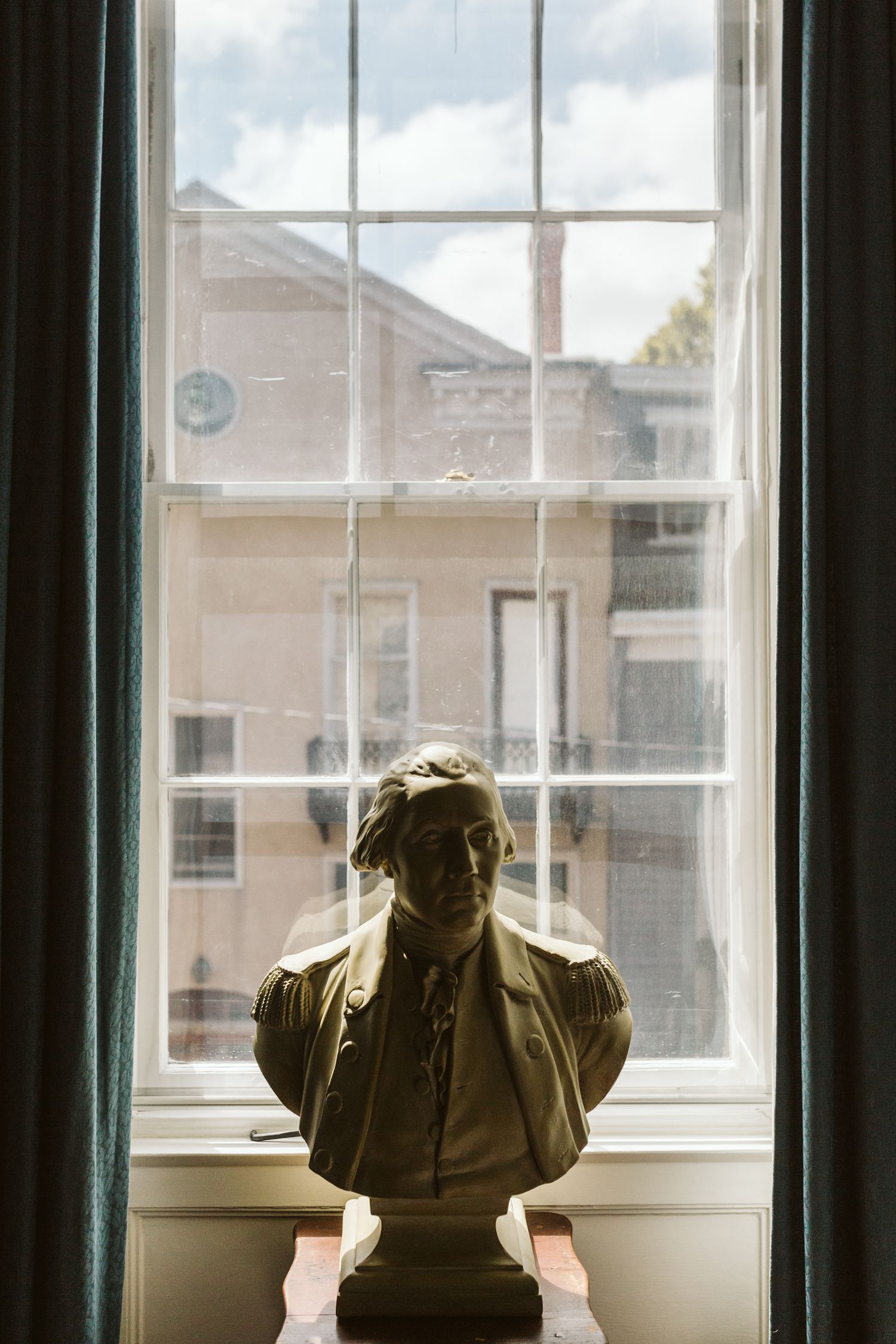
Bust in Harper Fowlkes House, Savannah, GA
Why This Matters in Wedding Photography
As a documentary wedding photographer working in the South, I think a lot about place, memory, and the stories we preserve. Photography is not neutral. It freezes moments in time and gives them weight. It says: this mattered enough to remember.
Because of that, I believe it’s important to approach historically exclusionary or traumatic spaces with honesty and care—not just in words, but in action.
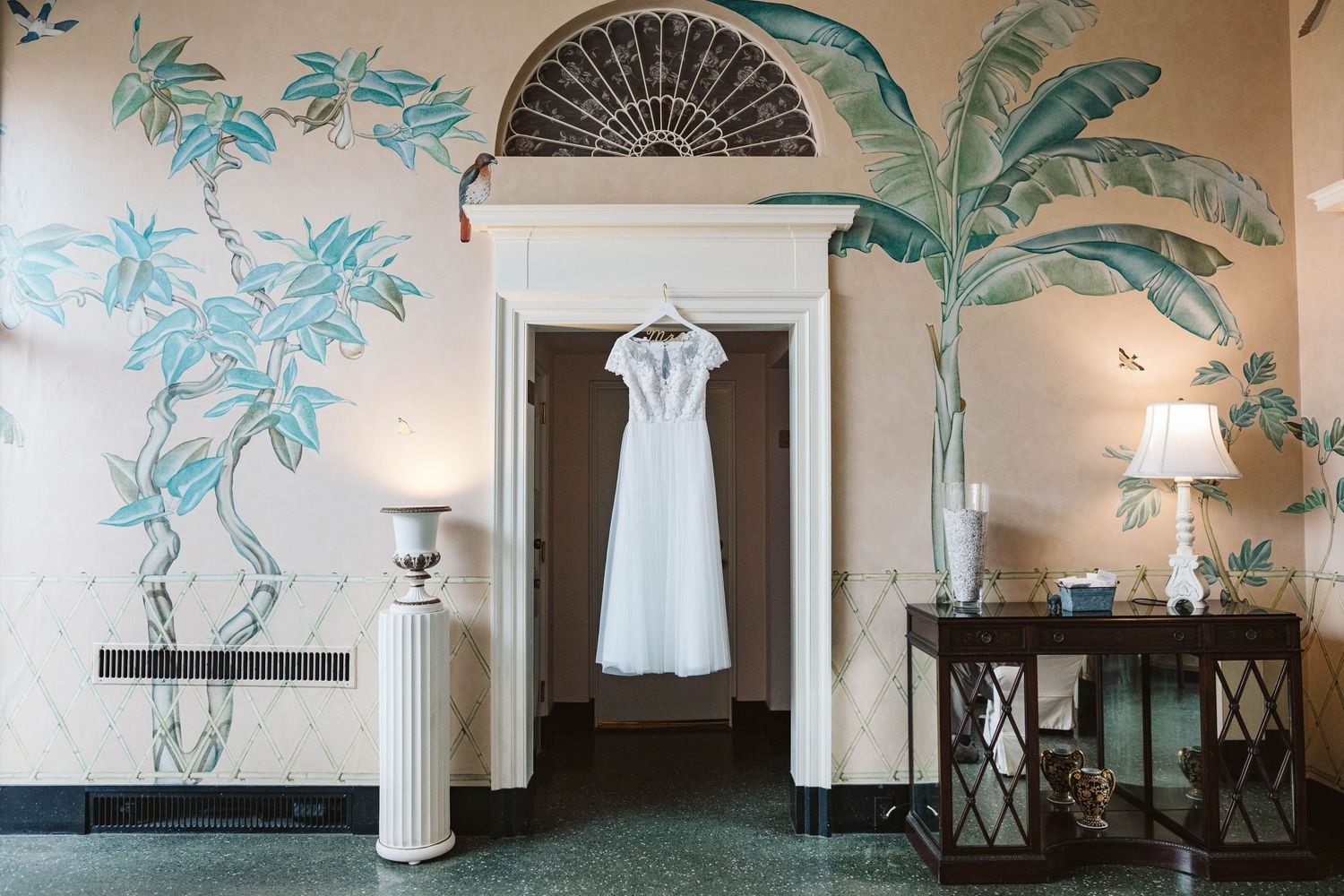
RJ Reynolds Mansion, Sapelo Island, GA
A Policy Rooted in Accountability
Moving forward, if I am booked to photograph a wedding taking place at a Southern plantation, I will require a minimum $500 donation to a local Black community–serving charity or organization.
This donation:
- Is not a fee paid to me
- Goes directly to Black-led or Black-serving organizations in the region
- Exists as a small act of material accountability
While this policy currently applies specifically to plantation venues, it is rooted in a broader awareness of how many Southern spaces have been shaped by exclusion and harm. My hope is that it also encourages couples to think critically about all venues—not just the most obvious ones—and to ask better questions about history, access, and legacy.
I’m always happy to help couples identify appropriate local organizations or have thoughtful conversations about venue context.
What This Policy Is — and Is Not
This policy is:
Not about punishment
Not about shaming or moral superiority
Not about performative gestures
It is about alignment.
It is about responsibility.
It is about choosing not to separate beauty from truth.
If this policy feels uncomfortable, that discomfort may be worth sitting with. Weddings are meaningful precisely because they are reflective. This is one way I choose to reflect my values through my work.
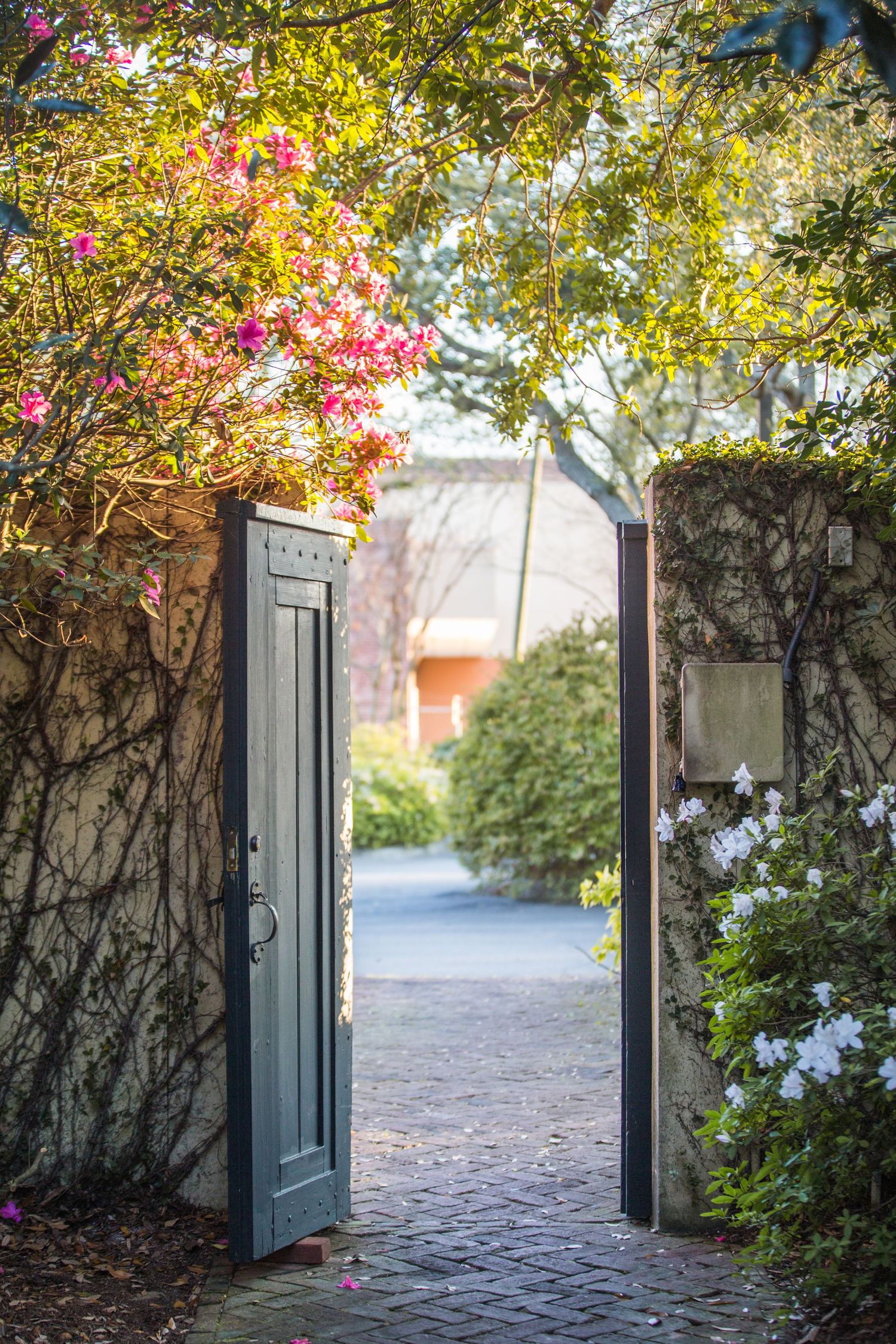
Ships of the Sea Museum, Savannah, GA
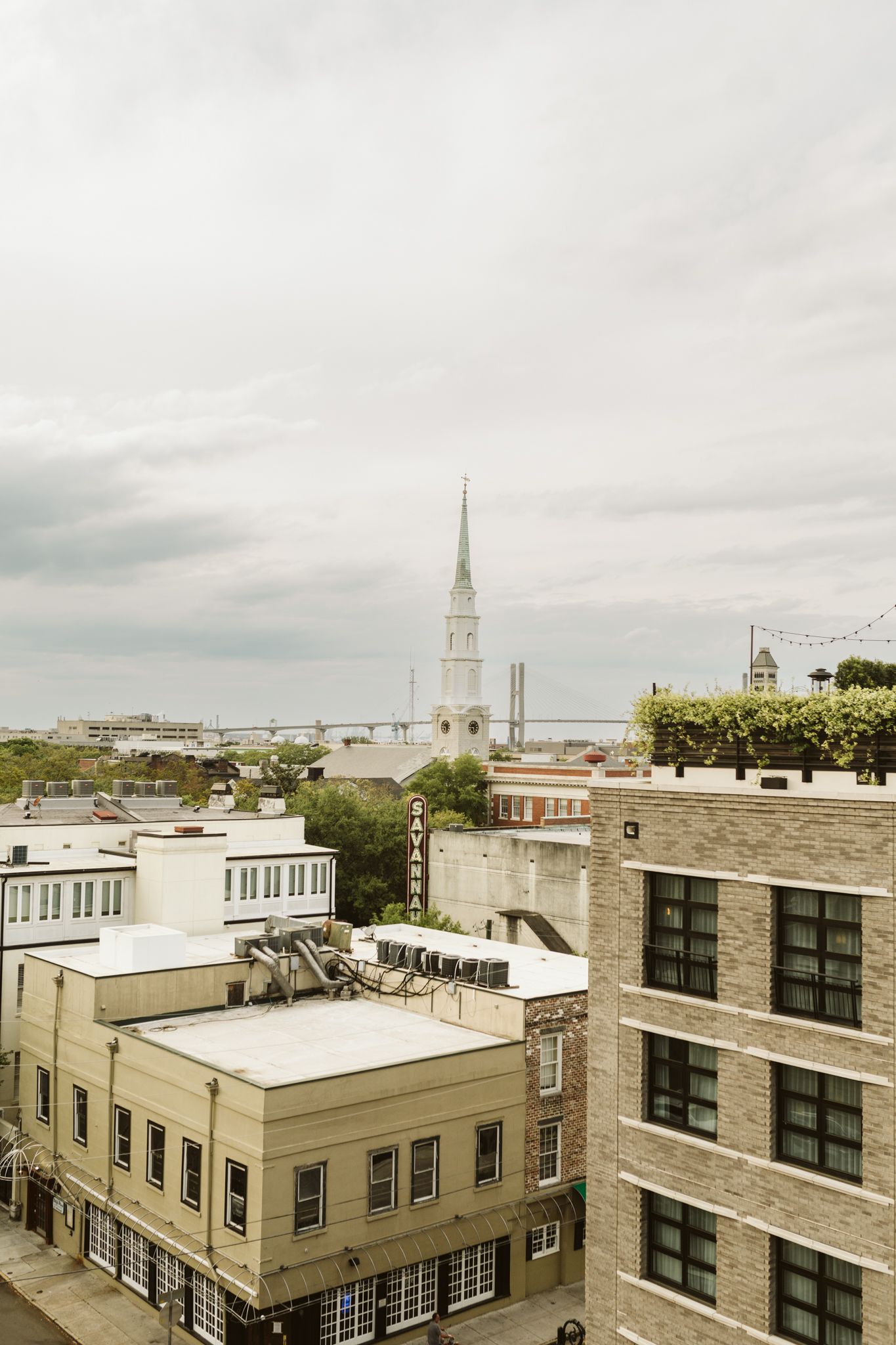
Savannah, GA from the Perry Lane rooftop
Considering Alternatives in the South
For couples who love Southern landscapes but want to avoid venues with plantation histories, there are many alternatives— hotels, coastal venues, private residences, and modern spaces that offer beauty without the same weight.
There are also ways to engage more thoughtfully with any venue by asking questions, learning its history, and considering how your celebration exists within a larger context.
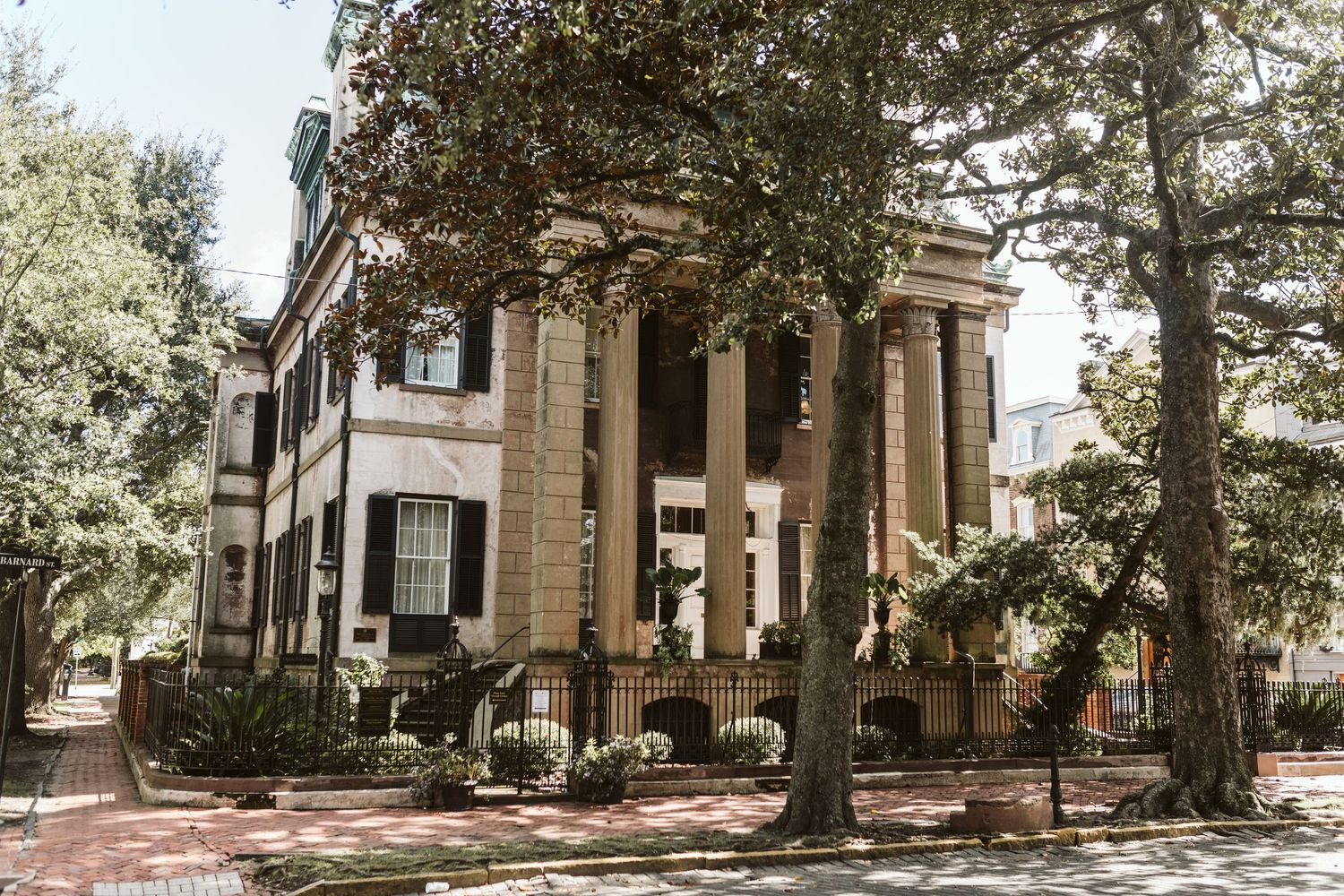
Haper Fowlkes House, Savannah, GA
Final Thoughts
Getting married in the South means engaging with history, whether we acknowledge it or not. We all make choices about how we show up in that reality.
This policy is one small step toward accountability—not perfection, but intention. My hope is that it opens space for reflection, conversation, and care.
If you’re planning a wedding in Savannah or the Lowcountry and want to work with vendors who value honesty, inclusivity, and responsibility alongside meaningful storytelling, I’d be honored to document your day.