How Much Time Do You Really Need for Wedding Photos?
If you're planning a wedding, one of the first questions you'll probably have about photography is: How many hours of coverage do you actually need?
Six hours? Eight? Ten?
And perhaps more importantly: how much of that time are you actually going to spend taking pictures?
The answer isn't the same for every wedding.
A large Savannah wedding with multiple locations, a full getting-ready story, a ceremony, portraits, cocktail hour, dinner, dancing, and a grand exit is going to need a very different amount of coverage than an intimate wedding where everything happens in one place.
And that's why I don't think you should start with a number.
Start with what you want to remember.
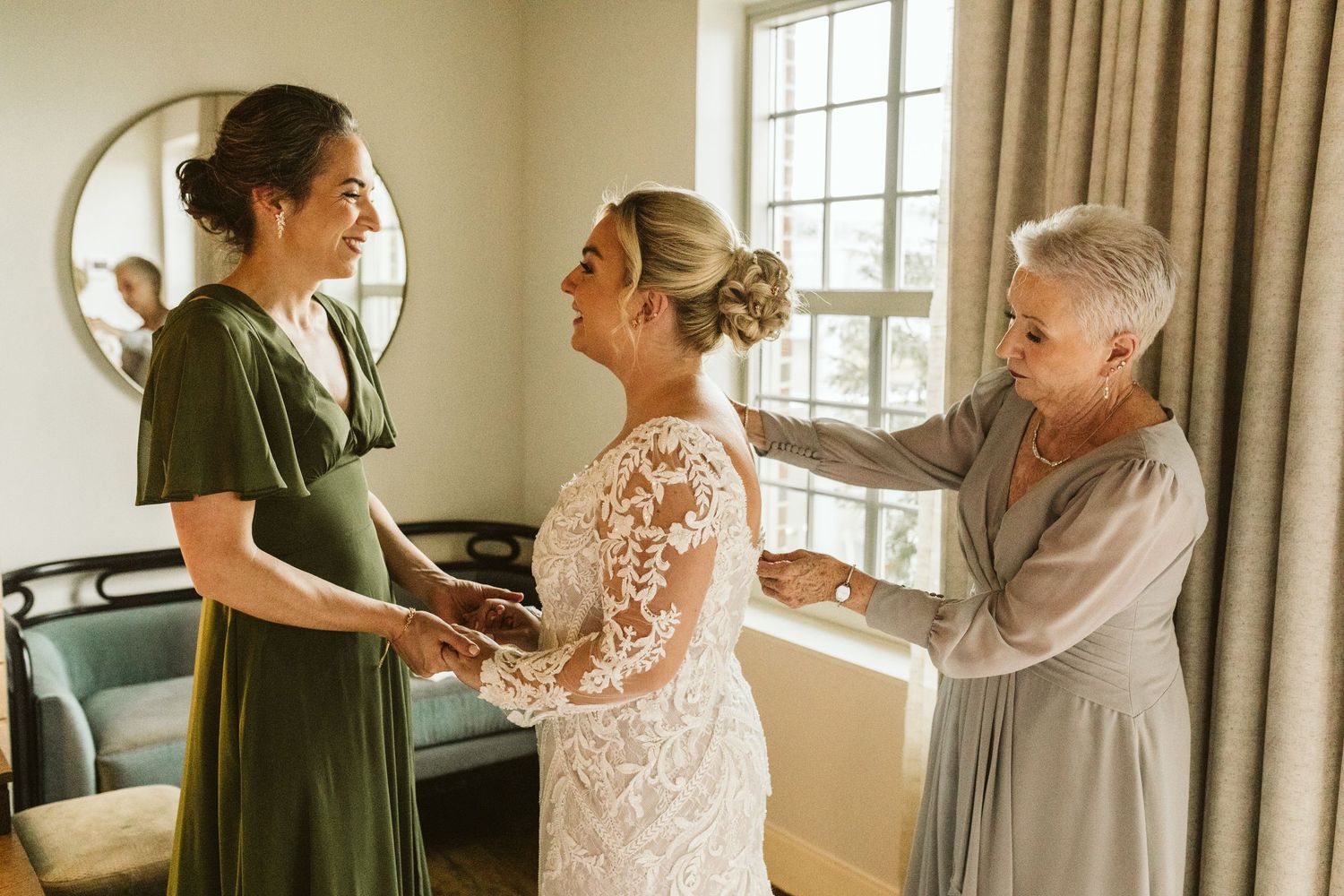
What Parts of Your Wedding Do You Want Photographed?
Before choosing a photography package, think about the story you want your wedding gallery to tell.
Do you want photographs of the morning while you're getting ready with your friends? Your parents seeing you for the first time? The ceremony? Family portraits? Beautiful portraits of the two of you? Cocktail hour and all the people you invited to celebrate with you? The wild part of the dance floor? Your exit?
Or maybe you're planning a small, intimate wedding and you really just want the ceremony, a few portraits, and the celebration afterward.
There isn't a right answer.
You don't need eight hours of photography simply because eight hours is a common package.
The right amount of coverage is the amount that allows your photographer to document the parts of the day that matter to you.
And once you know what those parts are, figuring out how much time you actually need becomes a lot easier.
How Much Time Does Each Part of a Wedding Actually Take?
There isn't a magic number that works for every wedding, but there are some pretty reliable ranges to work with. The biggest thing to remember is that photography time isn't the same thing as portrait time.
Your photographer can be documenting your wedding while you're getting ready, saying hello to guests, eating dinner, dancing, and doing all the other things that make up the day.
Here's a general idea of where that time goes.
Getting Ready: 30–90 Minutes
Getting-ready coverage can be as short as a quick portion of the final preparations or long enough to tell the whole story of the morning.
If you want photographs of hair and makeup, your wedding party hanging out, details, getting dressed, and those little moments before everyone leaves, you'll want to allow more time.
If getting ready isn't particularly important to you, you don't necessarily need to start photography coverage hours before the ceremony.
First Look: 10–15 Minutes
The first look itself usually doesn't take very long.
It's the photographs that follow that can add time to the schedule. Depending on your plans, you might move directly into couple portraits, wedding party photos, or some family photographs while everyone is already together.
Wedding Party Photos: 15–30 Minutes
This depends on the size of your wedding party and how many photographs you want.
A small wedding party with a handful of straightforward group photographs can move pretty quickly. A large wedding party with lots of combinations will naturally take longer.
The good news? You don't need to photograph every possible combination.
A few intentional group photographs can give you the formal record of the people who stood beside you without turning the afternoon into a team photo shoot.
Family Photos: 15–30 Minutes
Family portraits are another area where preparation makes a huge difference.
A short list of the combinations you actually want photographed can keep this moving. The more combinations you add, the more time you'll need.
And remember: the goal isn't to photograph every possible arrangement of every relative. It's to make sure you have the photographs you'll actually want to look back on.
Couple Portraits: 15–45 Minutes
This is probably the biggest variable.
Some couples want just a few beautiful, timeless portraits. Others really enjoy being photographed and want more time to explore different locations, outfits, light, or settings.
Neither approach is better.
For couples who don't particularly love being in front of the camera, 15–20 focused minutes can be plenty to create a meaningful set of portraits.
And if you're the kind of couple who wants to disappear with your photographer for a while and make some art, we can make room for that, too.
Ceremony: 10–45 Minutes
Ceremonies vary enormously in length, but many fall somewhere in this range.
The ceremony itself doesn't necessarily require you to add a huge amount of photography time. Your photographer is simply documenting what is already happening.
What matters more is how the ceremony fits into everything around it—especially if you're planning family and couple portraits afterward.
A short ceremony followed by a large group of family photographs can require more photography time than a longer ceremony followed by a small, informal celebration.
Reception: 2–4+ Hours
Once the reception begins, you're generally not spending that time taking formal photographs.
You're living your reception while your photographer documents it.
Dinner, toasts, hugs, cake cutting, first dances, people catching up, dancing, and all the weird little things that happen once everyone relaxes are part of the story.
And if you want your photographer to capture the dance floor at its peak or stay through a grand exit, that affects how late your coverage needs to go.
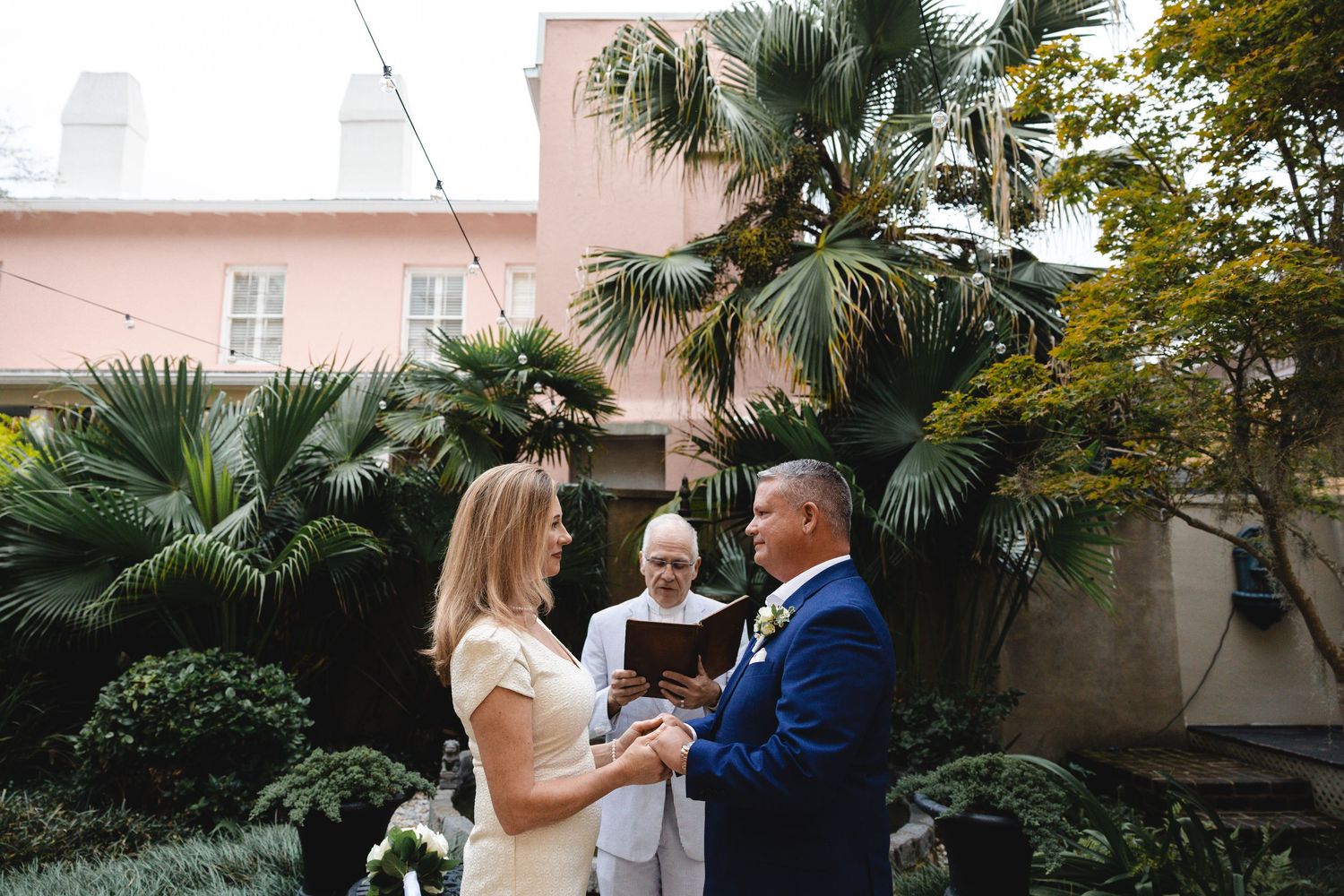
Don't Forget the Time Between Things
One thing that's easy to overlook when building a wedding photography timeline is the time it takes to get from one place to another.
If your ceremony, getting-ready location, portrait location, and reception are all in different places, that travel time needs to be part of the schedule—not treated as if it doesn't exist.
And in Savannah, “it's only a few blocks away” doesn't necessarily mean you'll be there in five minutes. You may need to gather everyone, walk as a group, wait for transportation, navigate pedestrians, find a place to stop, or simply give everyone a minute to catch their breath.
The same goes for venues with large grounds. A beautiful garden or waterfront property might have several great locations for photographs, but walking from one end to another still takes time.
Your photography coverage starts with the clock, but your timeline needs to account for everything happening between the photographs, too.
Build in Buffer Time
Because weddings rarely run exactly according to plan.
Hair and makeup takes longer. Someone can't find their shoes. The shuttle is late. A family member wandered off. The ceremony starts fifteen minutes behind schedule.
That's not a failed timeline. That's a wedding.
I actually think a little breathing room makes a timeline better. If every minute is accounted for, one small delay can create a domino effect that follows you through the entire day.
Instead, build some cushion into the schedule. Give yourself extra time around major transitions, especially before the ceremony and before anything with a hard start time.
And don't assume that extra time has to be filled with more photographs.
If you're running ahead, you can enjoy a few quiet minutes together. If you're running behind, that buffer can keep you from feeling like you're racing the clock.
A good photographer should also be able to adjust when the timeline changes. Maybe portraits get shortened. Maybe we move them somewhere else. Maybe we skip a few planned photographs because something much more interesting is happening.
The goal isn't to make your wedding day perfectly obey the timeline. The timeline is there to give you enough structure that you can actually enjoy the day when it inevitably doesn't.
How Long Do Wedding Portraits Take?
This is probably the part of the timeline couples worry about most: how long are we going to have to stop being at our wedding and take pictures?
The answer can be surprisingly short.
If you want a handful of beautiful, timeless portraits, you don't necessarily need an hour. If you love being photographed and want to make more of an experience out of it, you can absolutely make room for that, too.
A Few Essential Portraits: 15–20 Minutes
For couples who don't particularly enjoy being in front of a camera, this can be plenty of time.
We can find a good location, make a few simple adjustments, and create a collection of portraits that feel like you without turning the afternoon into a photo shoot.
This is often my favorite kind of portrait session: enough direction to make sure we get something beautiful, but not so much that it takes over your day.
A More Relaxed Portrait Session: 30–45 Minutes
If you enjoy being photographed or want more variety, giving yourself 30–45 minutes opens up more possibilities.
We might use more than one location, take advantage of changing light, or simply give you more time to settle in and have fun with it.
You don't have to spend that entire time standing in one spot being posed, either. Some of the best portraits happen when you stop thinking about the camera and start interacting with each other.
The Truly Documentary Approach
There are also couples who don't want a portrait session at all.
They want their photographer to be as hands-off as possible and document the wedding as it happens, without stopping the day for posed photographs. That's a completely legitimate way to approach wedding photography.
It's less common, but it's an option.
And this is where the word documentary can get a little confusing. In its traditional sense, documentary photography is a hands-off, observational approach. Wedding photographers often use the word more loosely to describe a spectrum of approaches that can include both candid documentation and some amount of direction. I wrote an article about this very thing which you can read HERE.
I tend to fall somewhere between the middle of that spectrum and a true documentary approach.
I'll make time for portraits when they're important to you. I'll give you direction when you want it. And I'll also recognize when the moment is happening somewhere else and the photographs need to get out of the way.
You don't have to choose between beautiful portraits and a wedding day that actually feels like a wedding.
The amount of portrait time you need should be based on what you want—not on some arbitrary rule about how wedding photography is supposed to work.
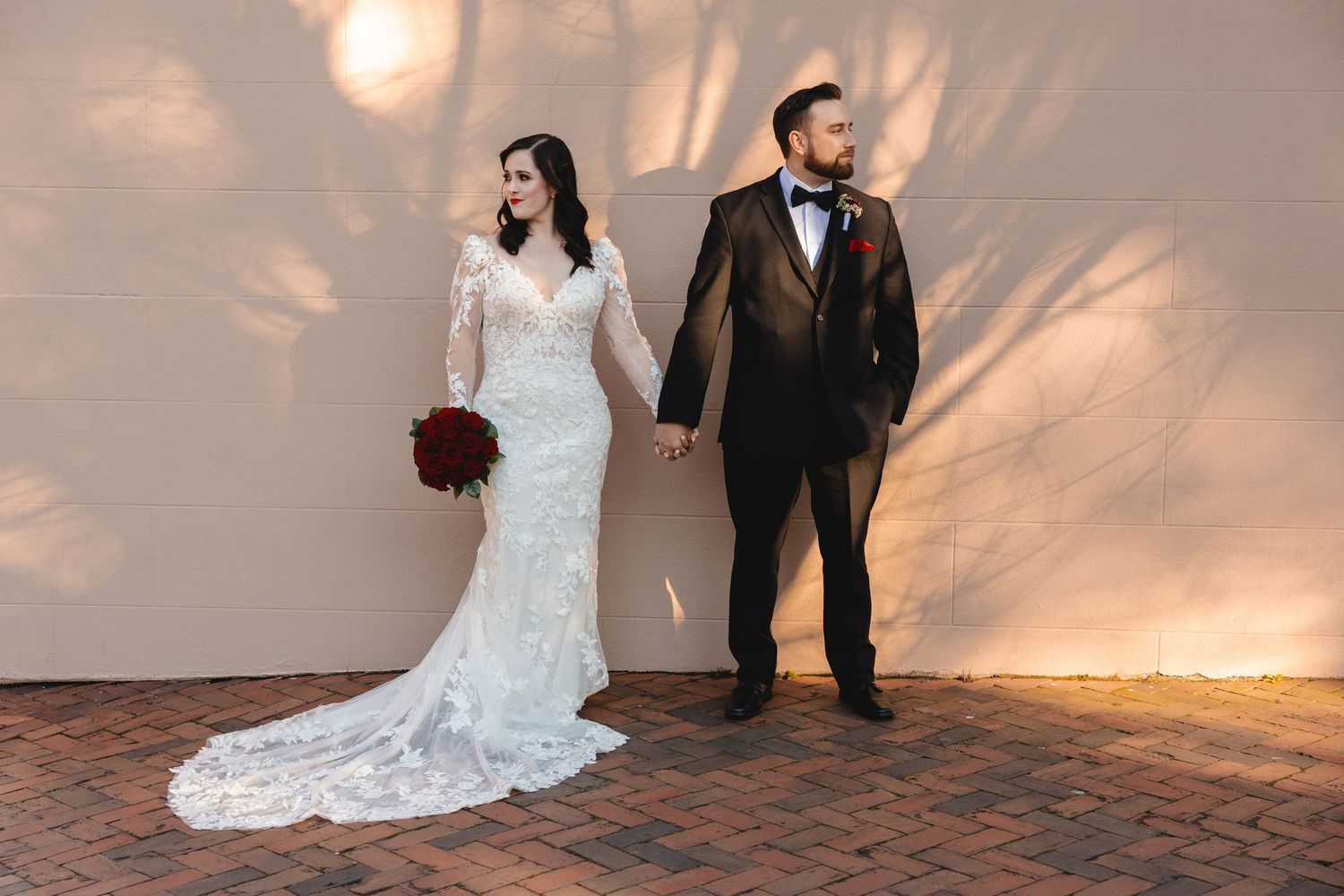
How Many Hours of Wedding Photography Do You Need?
There isn't one perfect number of hours for every wedding. An elopement, an intimate wedding, and a 150-person celebration can have completely different photography needs.
Here's a general idea of what different amounts of coverage can look like.
1–2 Hours: Elopements
If you're having a small elopement with just the two of you—or a very small group—you may not need an entire day of photography.
One or two hours can be enough to document the ceremony, a few family or guest photographs, and some portraits. If you're exploring Savannah together afterward, that time can also be used to document some of the experience around the ceremony.
For an elopement, short coverage can still tell a complete story because there simply isn't as much of a wedding day to cover.
3–4 Hours: Micro Weddings
A micro wedding can fall somewhere between an elopement and a traditional full-day wedding.
With three or four hours, you might cover getting ready, the ceremony, family photographs, couple portraits, and some of the celebration afterward.
This can be a great fit when you're having a small, intentionally simple wedding and don't need photographs of every stage of a traditional wedding day.
6 Hours: A More Focused Wedding Day
Six hours can work well when you want substantial coverage but don't need your photographer from the beginning of the day through the final dance.
You might begin with getting ready, photograph the ceremony and portraits, and continue through cocktail hour and some of the reception.
One important note if you're planning a Saturday wedding: during my peak season, I have a six-hour minimum for Saturday weddings. My peak season generally runs March through June and September through December.
That doesn't mean six hours is the amount of photography every wedding needs. It's simply my minimum coverage for those high-demand Saturday dates.
8 Hours: A More Complete Wedding Story
Eight hours gives you considerably more room to tell the story of your wedding day.
You may have enough time for getting ready, details, the ceremony, family and wedding party photographs, couple portraits, cocktail hour, dinner, dancing, and your exit.
And, importantly, eight hours doesn't mean eight hours of portraits.
It means your photographer is there for eight hours of your actual wedding day—documenting the planned moments and everything happening around them.
That distinction matters.
10+ Hours: Extended Wedding Days
Some weddings simply need more time.
You might have an extended wedding timeline, multiple events happening throughout the day, an after-party that you want documented, or cultural traditions and ceremonies that add several hours to the celebration.
Longer coverage can also make sense when your wedding involves significant travel between locations or when you want your photographer there from the very beginning of the day through the very end.
With 10 or more hours, there is more room for the day to unfold without having to choose which parts to leave out.
You don't have to cram a big, complicated wedding into an artificially short photography window. If your celebration has more chapters, your photography coverage can have more chapters, too.
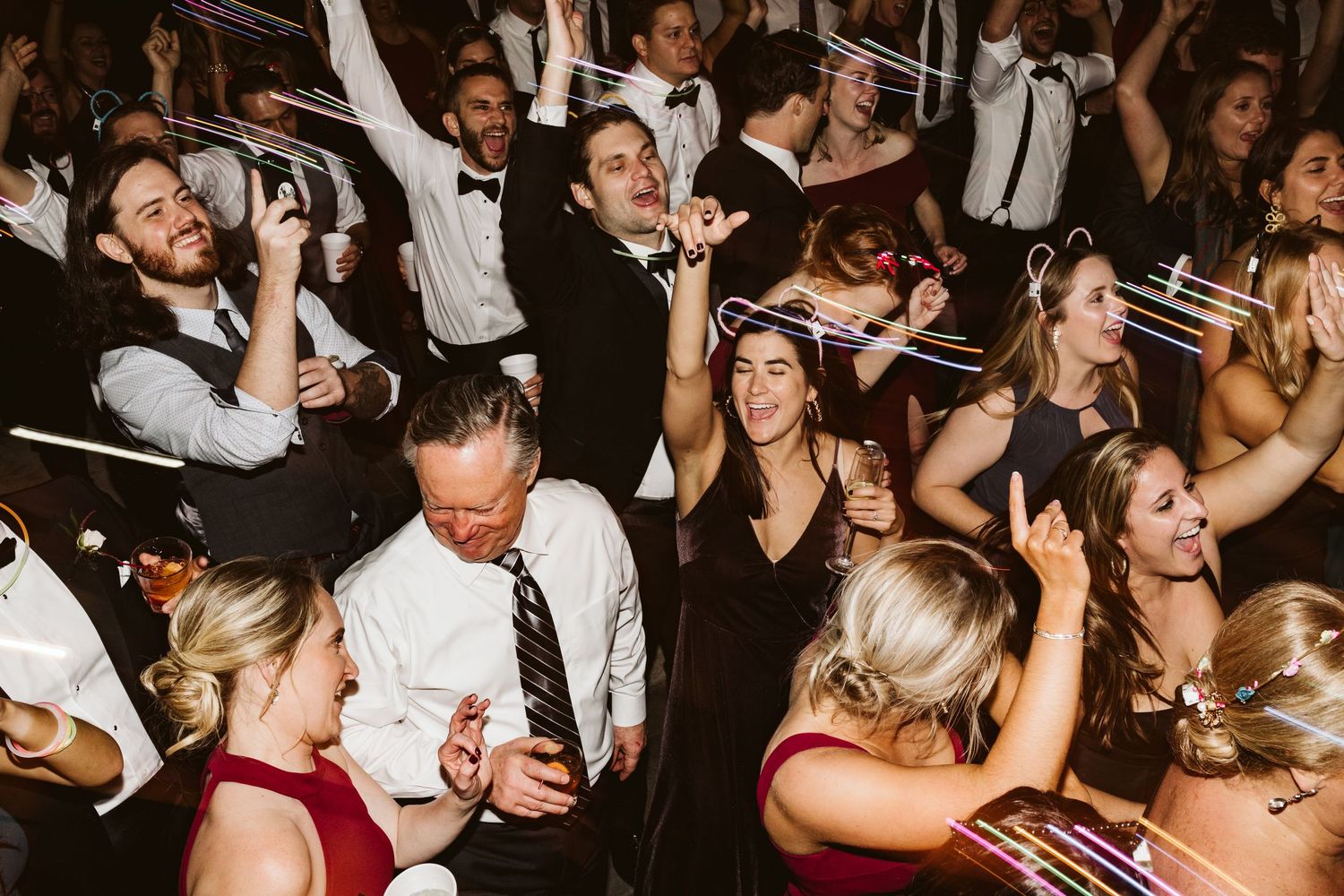
What Factors Affect How Much Wedding Photography You Need?
Two weddings can both have eight hours of photography coverage and have completely different timelines.
The number of guests, number of locations, ceremony traditions, transportation, and even how much time you want to spend taking portraits can all affect how much coverage makes sense.
Multiple Locations
If your wedding takes place at more than one venue, travel time needs to be part of the photography timeline.
That might mean driving from your getting-ready location to the ceremony, walking from your ceremony to portraits, or traveling across Savannah for your reception.
The same is true for large properties where your ceremony, cocktail hour, and reception are spread across different parts of the venue.
Those minutes add up.
If you're planning a wedding with multiple locations, don't calculate your photography needs based solely on the time you'll actually be standing in front of the camera. Your photographer needs to be able to move with you.
First Look or No First Look?
This can have a significant impact on how your day is structured.
With a first look, you may be able to take some or all of your couple, wedding party, and family portraits before the ceremony. That can leave more time afterward for celebrating with your guests.
Without a first look, many of those photographs will happen after the ceremony, which means you'll want to consider how much time you have before the reception begins.
Neither approach is better. It's about what you want your wedding day to feel like.
How Many People Are Being Photographed?
A wedding with 20 guests is simply going to move differently than a wedding with 200.
Large wedding parties and extended families require more organization and more combinations if you want everyone photographed.
This doesn't mean a large wedding automatically requires more photography hours. It means you need to be realistic about how much you want to accomplish within the time you have.
How Much Do You Actually Want to Be Photographed?
This one sounds obvious, but it's worth asking.
Do you want a handful of beautiful portraits and then want to get back to your friends?
Do you love being photographed and want to explore different locations?
Do you want almost everything documented naturally, with very little direction?
Your answer should influence your timeline.
There is no reason to schedule 45 minutes of portraits if the thought of spending 45 minutes taking portraits makes you want to run away.
And there is no reason to limit yourself to 15 minutes if portraits are something you genuinely enjoy.
Cultural Ceremonies and Other Wedding-Day Traditions
Some weddings simply have more chapters.
Multiple ceremonies, cultural traditions, religious rituals, tea ceremonies, baraat processions, extended family gatherings, outfit changes, and other wedding-day events can all add significant time to the schedule.
If there are parts of your celebration that are important to you, make sure they're included when you're deciding how much photography coverage you need.
Your photographer should know about those events before the wedding day so there is enough time to document them properly.
So, How Much Wedding Photography Do You Really Need?
There isn't a magic number of hours that guarantees a great wedding gallery.
The right amount of coverage depends on what you want remembered.
Maybe that's getting ready with your closest friends, your dad seeing you for the first time, a short ceremony, a few beautiful portraits, and dinner with everyone you love. Maybe it's the entire story—from the first coffee of the morning to the last song of the night.
Or maybe you want almost no interference at all and simply want someone there to quietly document whatever happens.
All of those are valid.
My job isn't to fill your wedding day with photographs. It's to make photographs fit into the wedding you're actually having. Sometimes that means making time for simple, timeless portraits. Sometimes it means shortening the portrait session because something more important is happening. Sometimes it means putting the camera down and letting you have the moment.
If you're planning a wedding in Savannah and aren't sure how much photography coverage makes sense for your day, let's talk about what you're planning, what matters to you, and what you want your photographs to remember.
Because the best amount of photography isn't the most hours you can book.
It's enough time to tell your story without missing the part where you actually get to live it.
Frequently Asked Questions About Wedding Photography Coverage
Is 6 hours enough for wedding photography?
Six hours can be enough for a more focused wedding day, particularly when you don't need extensive getting-ready coverage or your photographer to stay through the end of the reception. The key is deciding which parts of the day you want documented and allowing enough time for portraits, family photographs, and travel between locations.
Is 8 hours of wedding photography enough?
For many traditional weddings, eight hours provides enough coverage to document a substantial portion of the day—from getting ready through the ceremony, portraits, reception, and dancing. Whether it's enough depends on your timeline, locations, and how much of the beginning and end of the day you want photographed.
How long should wedding portraits take?
That depends on how much you want to be photographed. A focused portrait session can take 15–20 minutes and still produce a beautiful collection of timeless portraits. Couples who want more variety or a more relaxed experience may prefer 30–45 minutes.
How much photography do you need for a micro wedding?
Three to four hours of photography can often work well for a micro wedding, depending on the timeline. A smaller guest count and fewer formal events can mean you don't need the same amount of coverage as a traditional full-day wedding.
Do you need a photographer for the entire wedding reception?
Not necessarily. If you mainly want photographs of the ceremony, portraits, and early reception, you may not need coverage through the final dance or exit. If the party, dancing, or send-off are important parts of your story, extending coverage allows those moments to be documented as well.