The word documentary gets used a lot in wedding photography, but it doesn't always mean the same thing.
So let's start with a technicality, because I think it's worth being precise about this.
Documentary photography, in its traditional sense, is hands-off.
The photographer observes rather than directs. They don't pose their subjects, stage moments, or intervene to create a particular photograph. The goal is to document what is actually happening, as it unfolds.
Wedding photographers use the word documentary a little more loosely.
When a wedding photographer describes their work as documentary, they often mean that a significant part of their approach is candid and observational. But they may still direct portraits, organize family photographs, or occasionally step in to influence what's happening.
That's where I think of wedding photography as a spectrum.
Wedding Photography Exists on a Spectrum
On one end, you have highly directed, editorial wedding photography.
The photographs are carefully planned. Portraits may be elaborately posed and styled. Details are meticulously arranged. Couples may spend substantial portions of their wedding day taking photographs, and creating those photographs is an important part of the experience.
At the other end is true documentary or journalistic wedding photography.
The photographer is essentially a fly on the wall. They don't direct portraits. They don't ask you to recreate moments. They don't stop the action to get a better photograph. They observe, anticipate, and document what is already happening.
Most wedding photographers who describe themselves as documentary fall somewhere between those two ends of the spectrum.
So do I.
I'm much closer to the documentary end than the editorial end, but I don't believe you have to choose between completely hands-off photography and spending half your wedding day being photographed.
Looking Documentary Isn't Necessarily Documentary
There's another distinction that's worth making because the visual language of wedding photography has changed quite a bit in recent years.
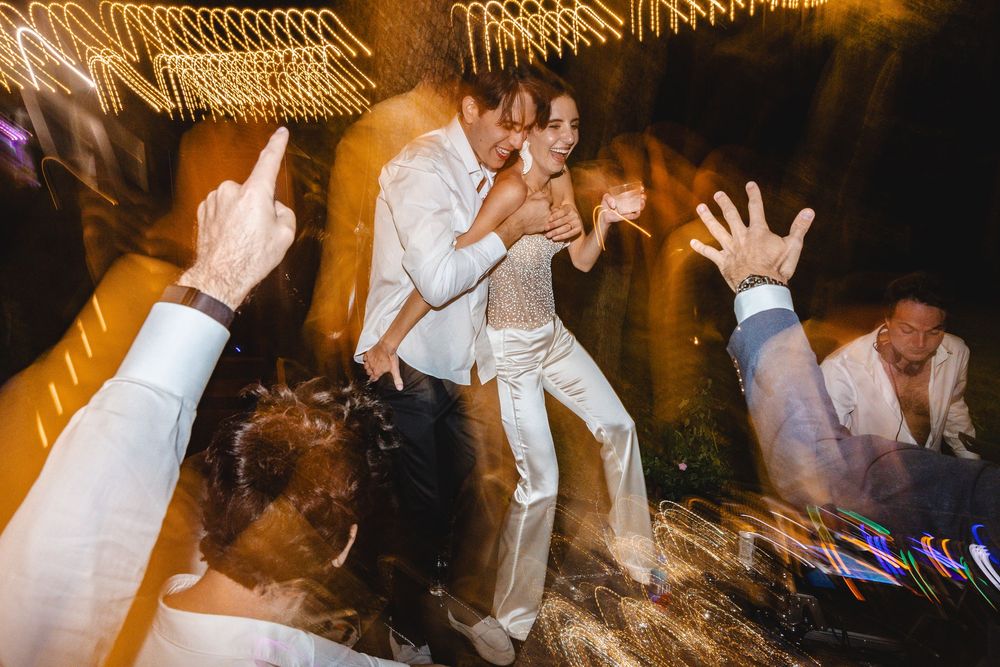
You may have seen the trend toward photographs with intentional motion blur, dragged-shutter effects, flash, imperfect framing, or other techniques that give an image a raw, spontaneous, documentary feel.
Those can be beautiful photographs.
But looking documentary isn't the same thing as being documentary.
Documentary photography is fundamentally about how the photograph was made, not simply how it looks.
If a couple is intentionally moved, posed, spun, danced, or otherwise directed to create a particular motion-blurred image, the resulting photograph may have a documentary aesthetic, but it isn't a documentary photograph in the traditional sense. The moment was created for the camera rather than observed as it naturally happened.
That's an important distinction to me.
I don't have a problem with stylized photography. There are some incredibly talented photographers making beautiful work with these techniques. But I don't want to create the appearance of an authentic moment when I could instead photograph something that is actually happening.
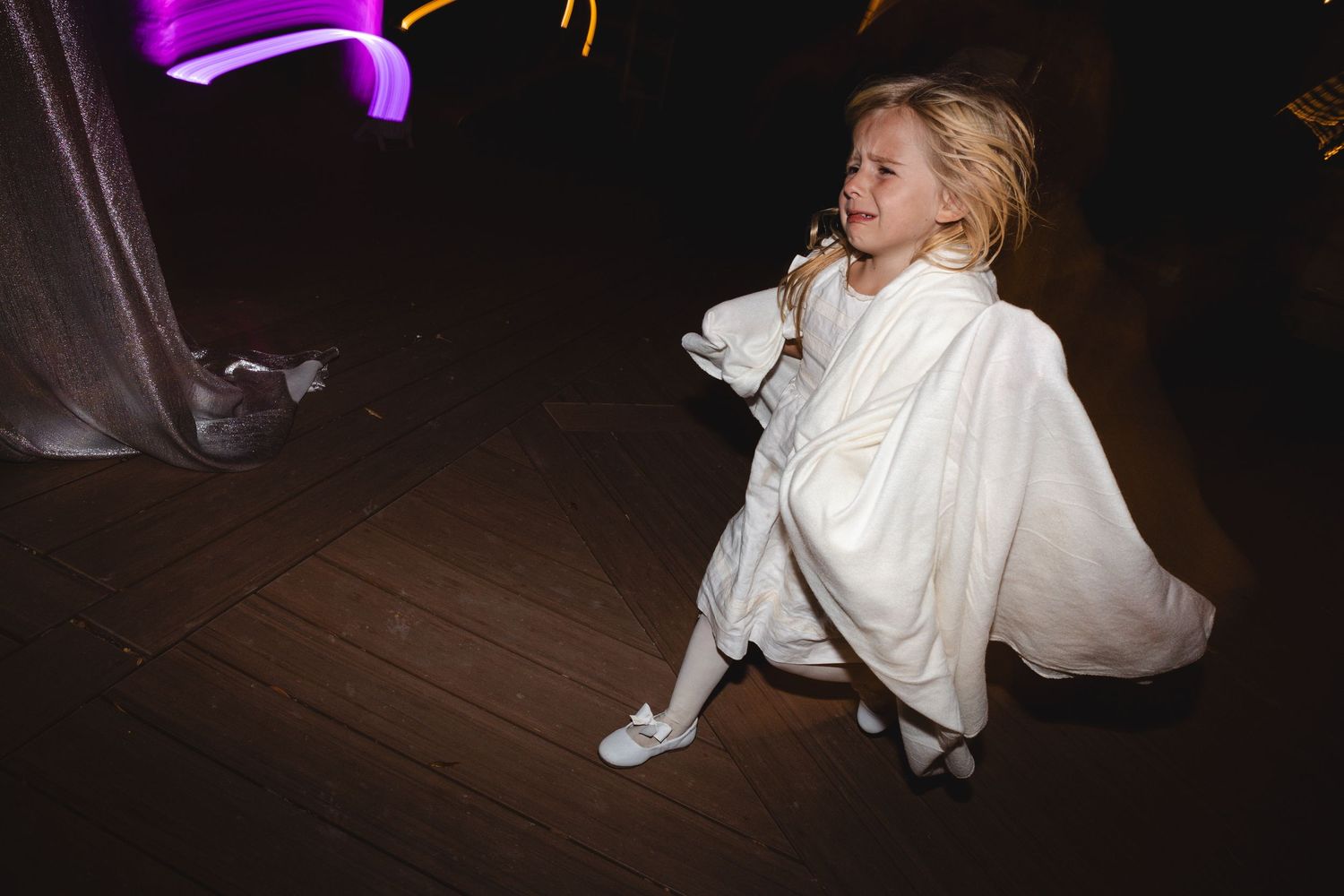
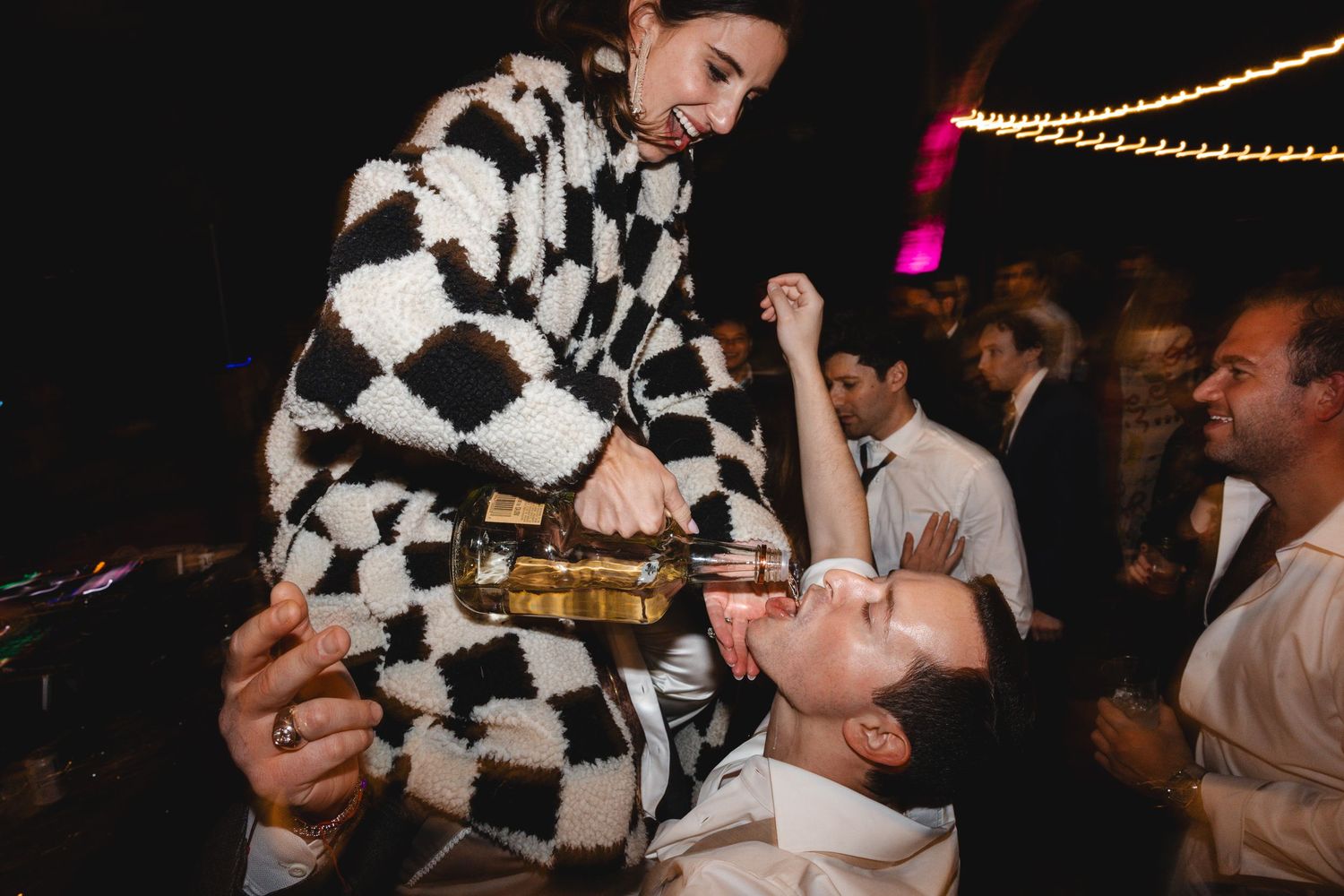
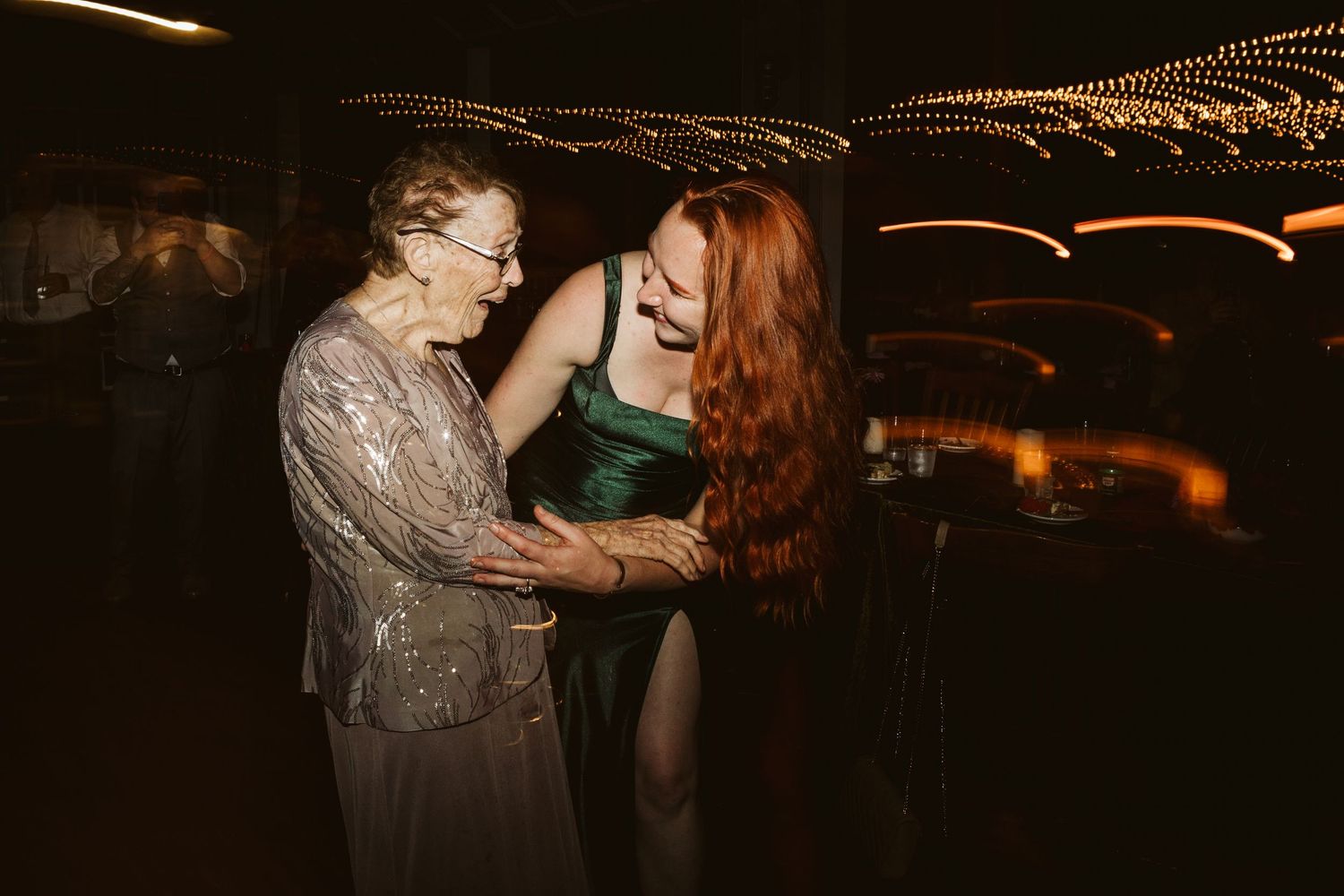
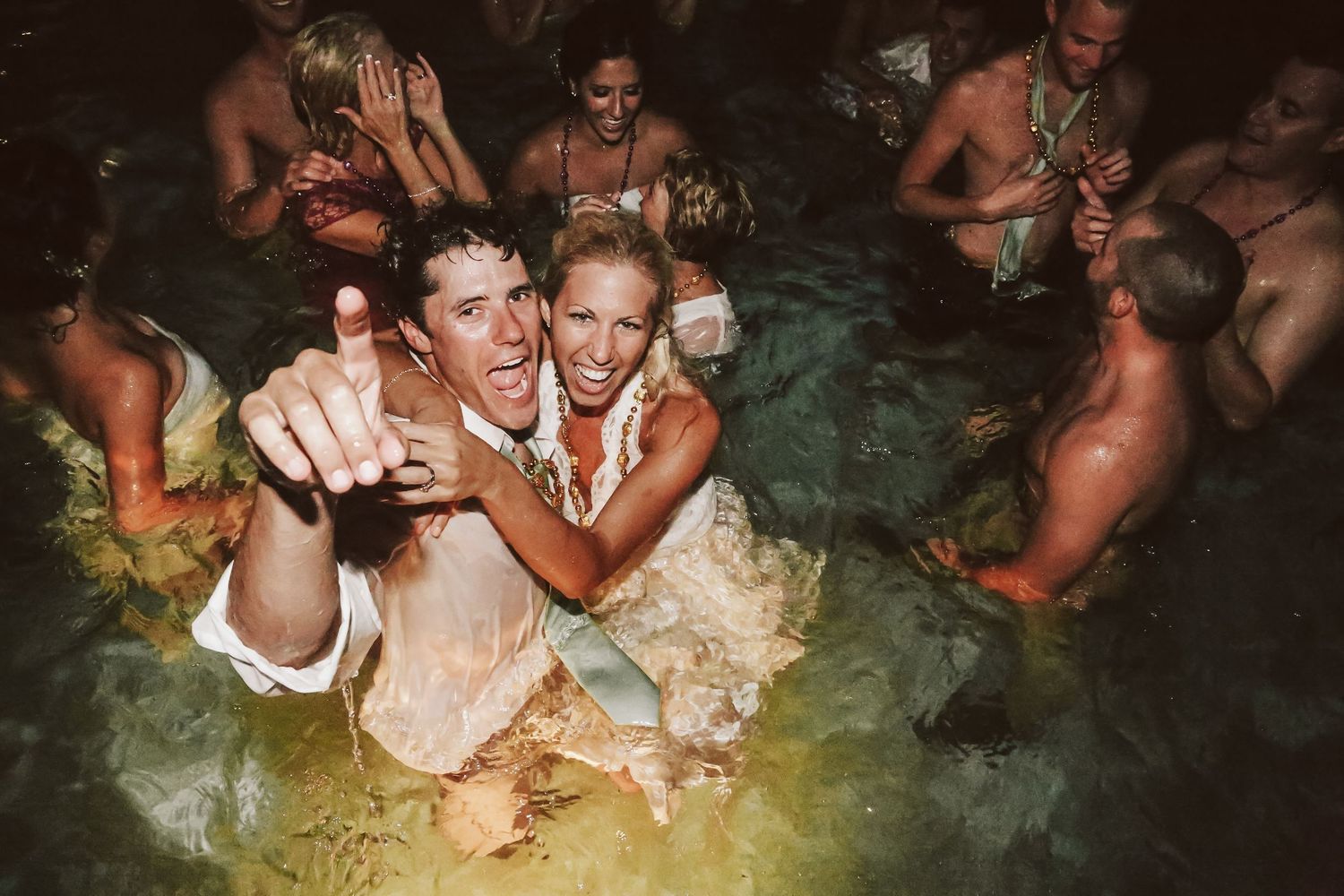
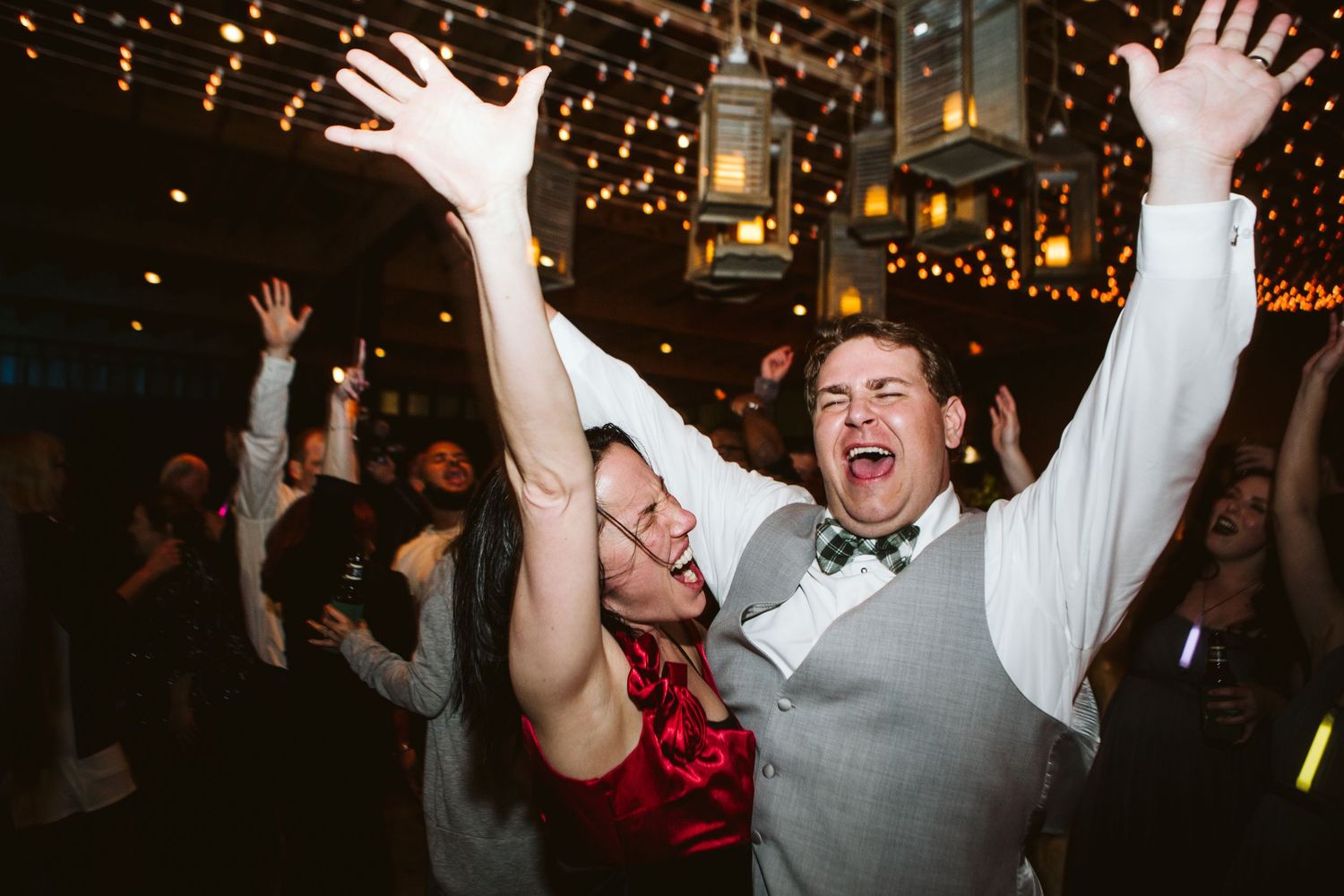
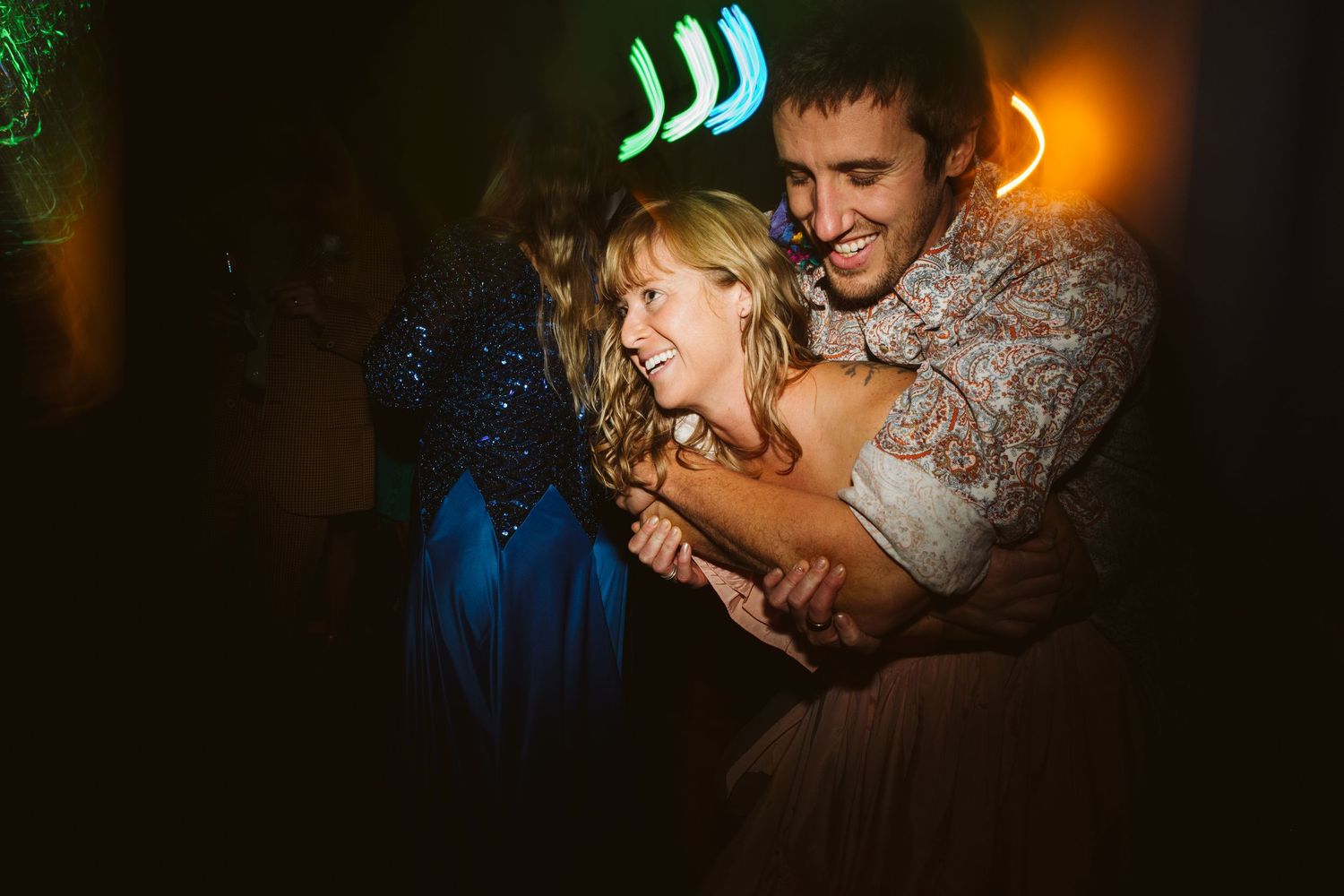
I'd rather photograph the real movement on the dance floor than manufacture movement for a photograph.
I'd rather catch the blur that happens when someone runs across the room than ask someone to move that way because it looks good.
And I'd rather let a moment be imperfect and genuine than make it look spontaneous after the fact.
For me, documentary photography isn't an aesthetic.
What My Approach Looks Like
For most of my couples, I'm somewhere just left of center.
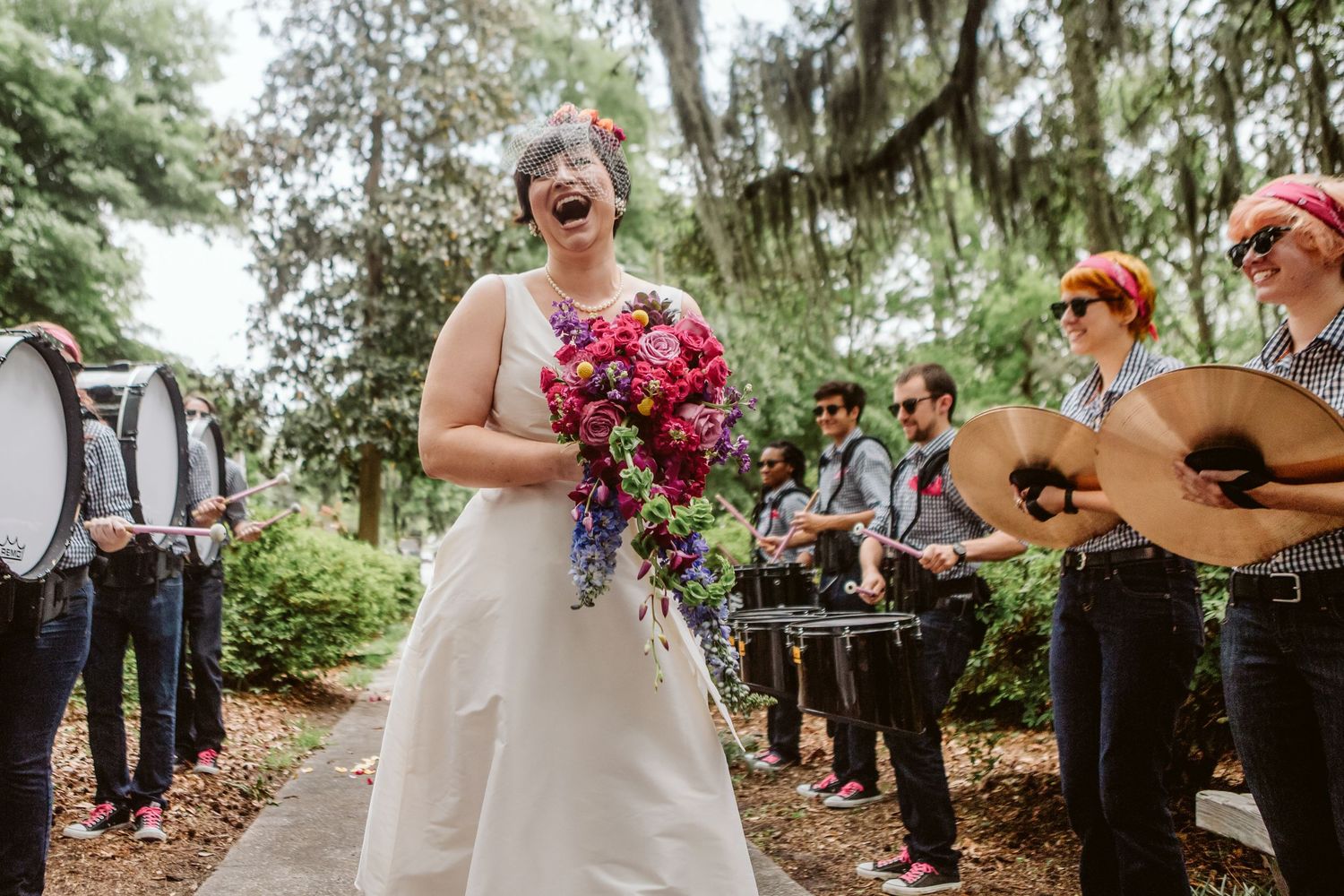
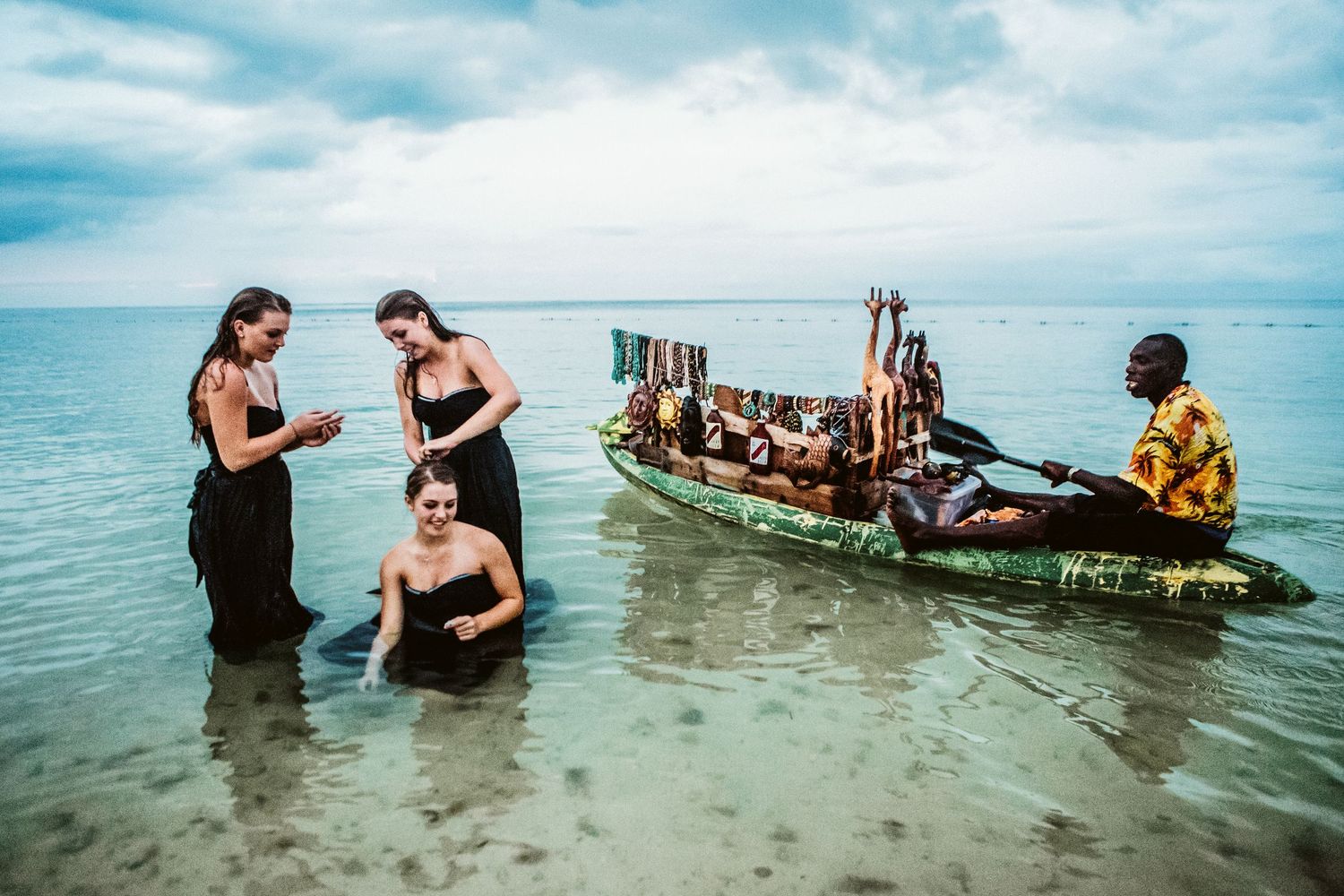
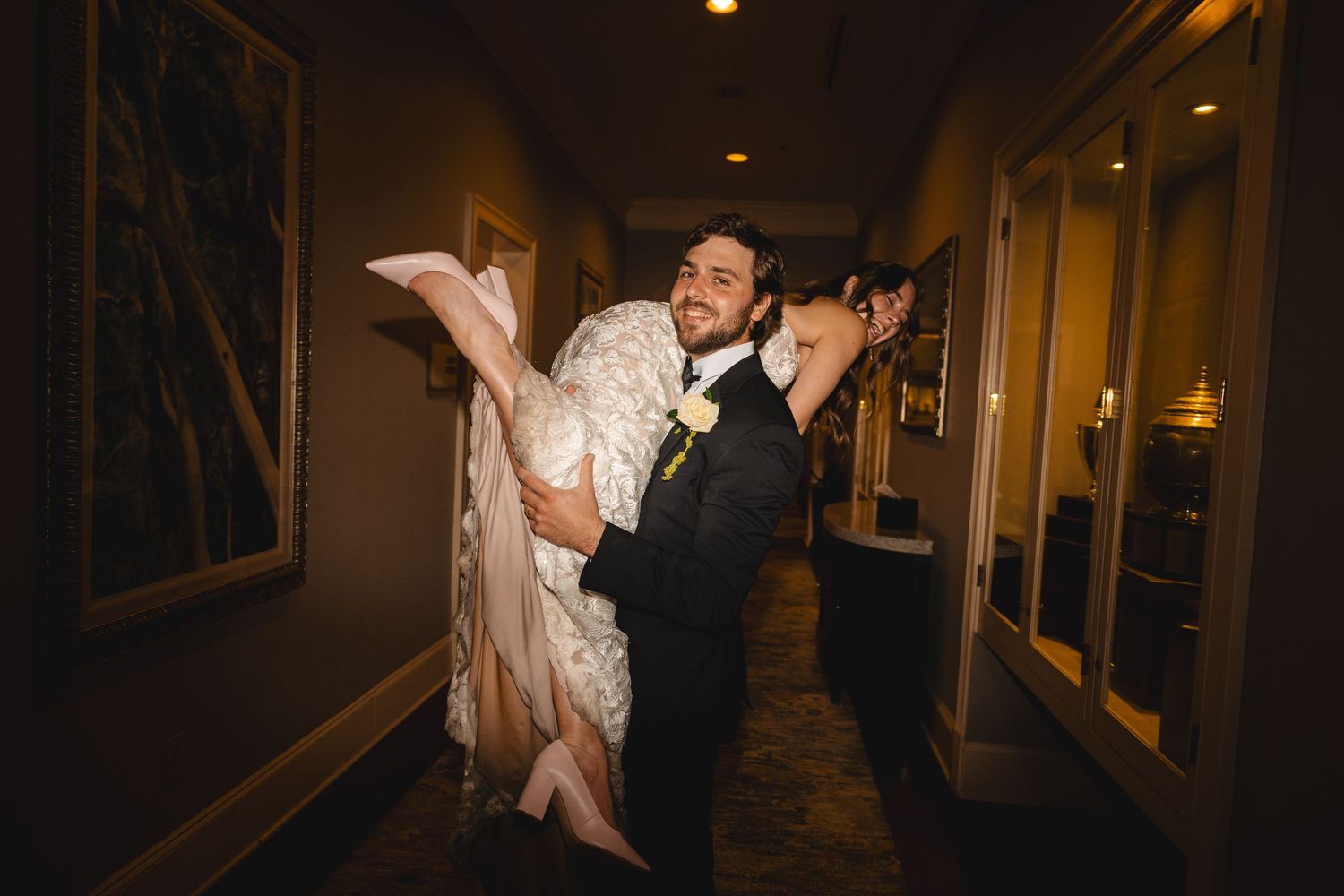
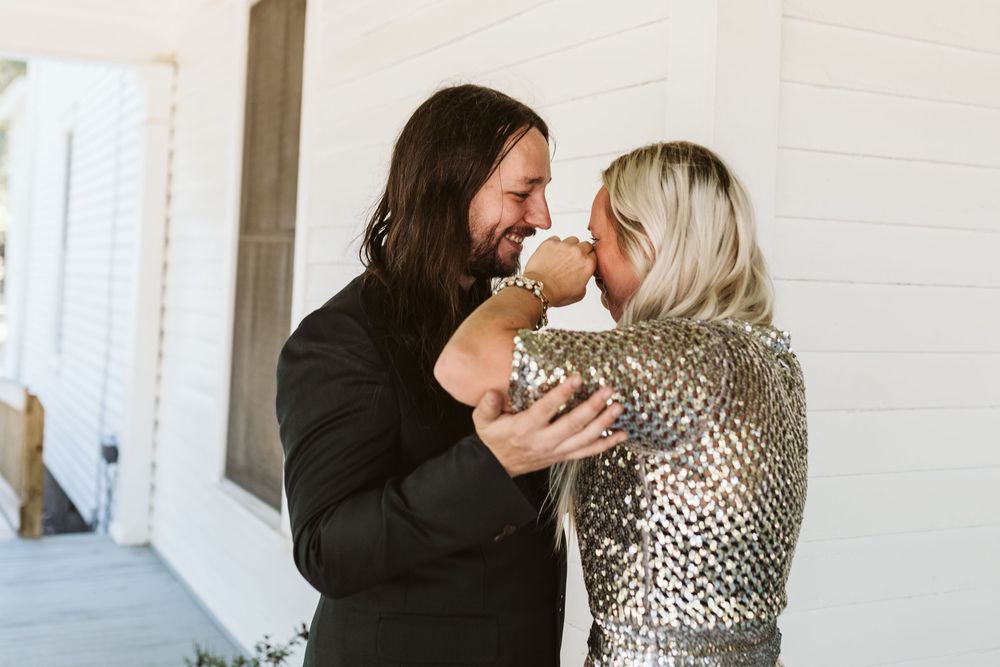
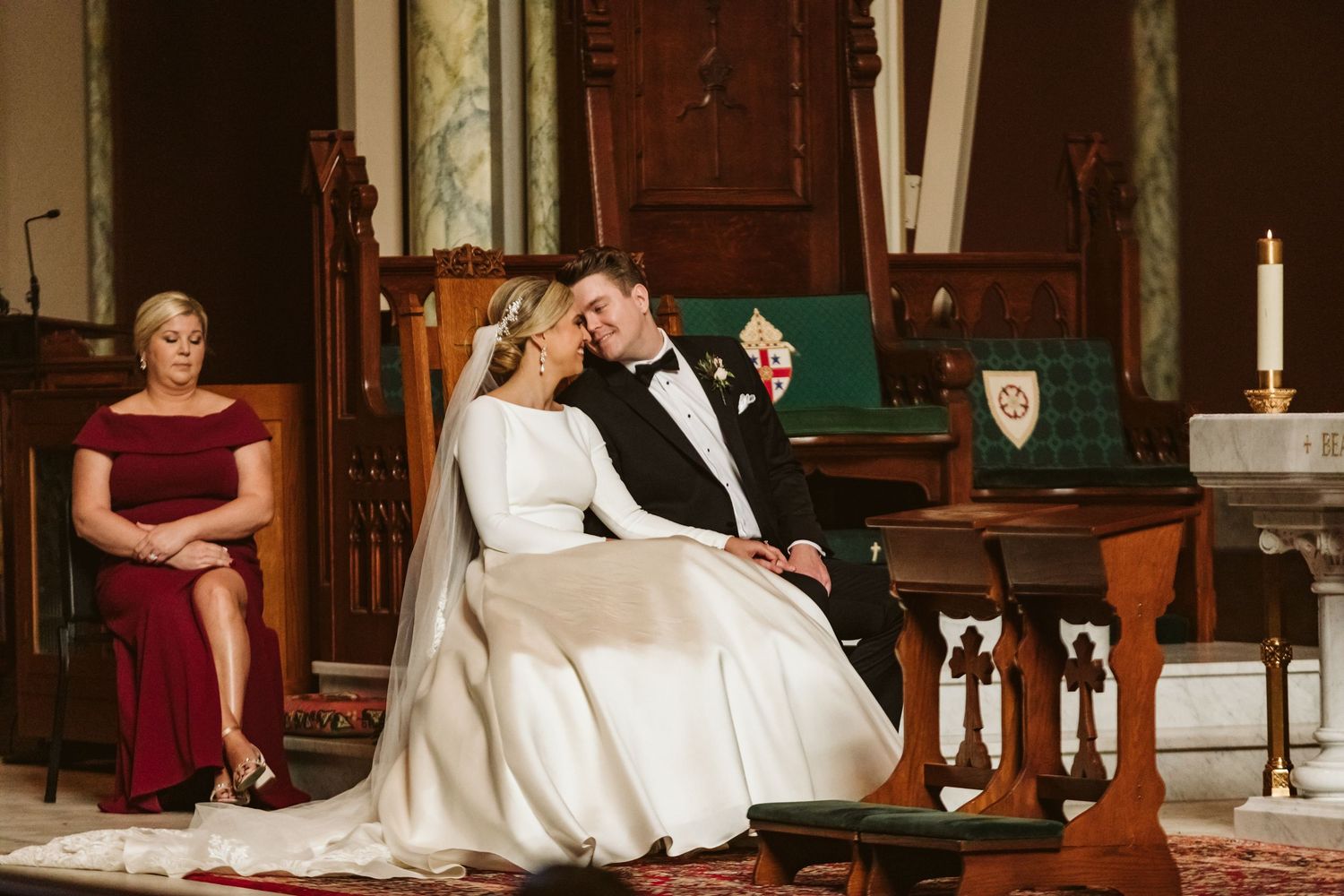
I'm looking for the real moments—the interactions, reactions, relationships, weird little things, and in-between moments that happen without anyone asking them to.
But I also make time for portraits because I think they're important.
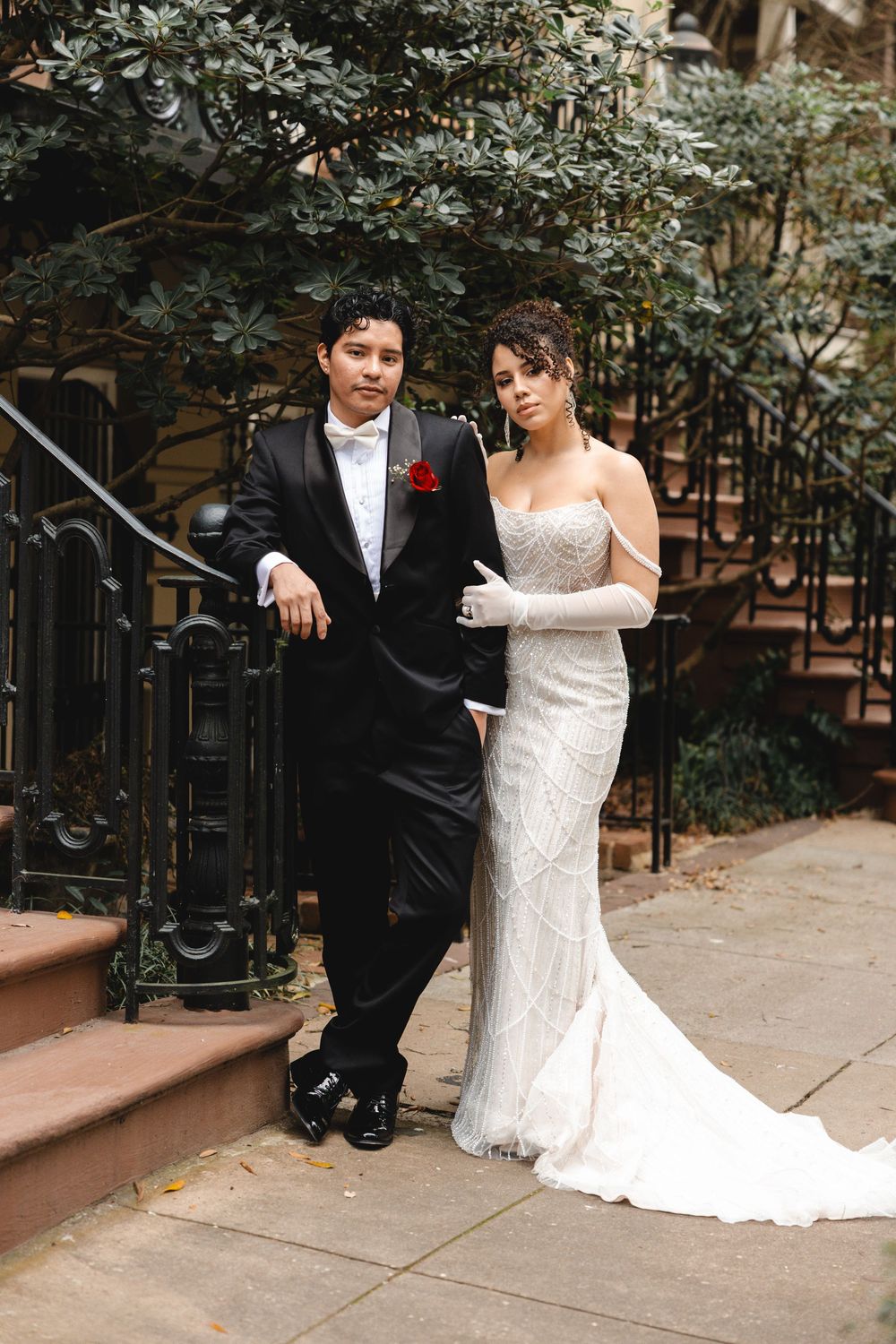
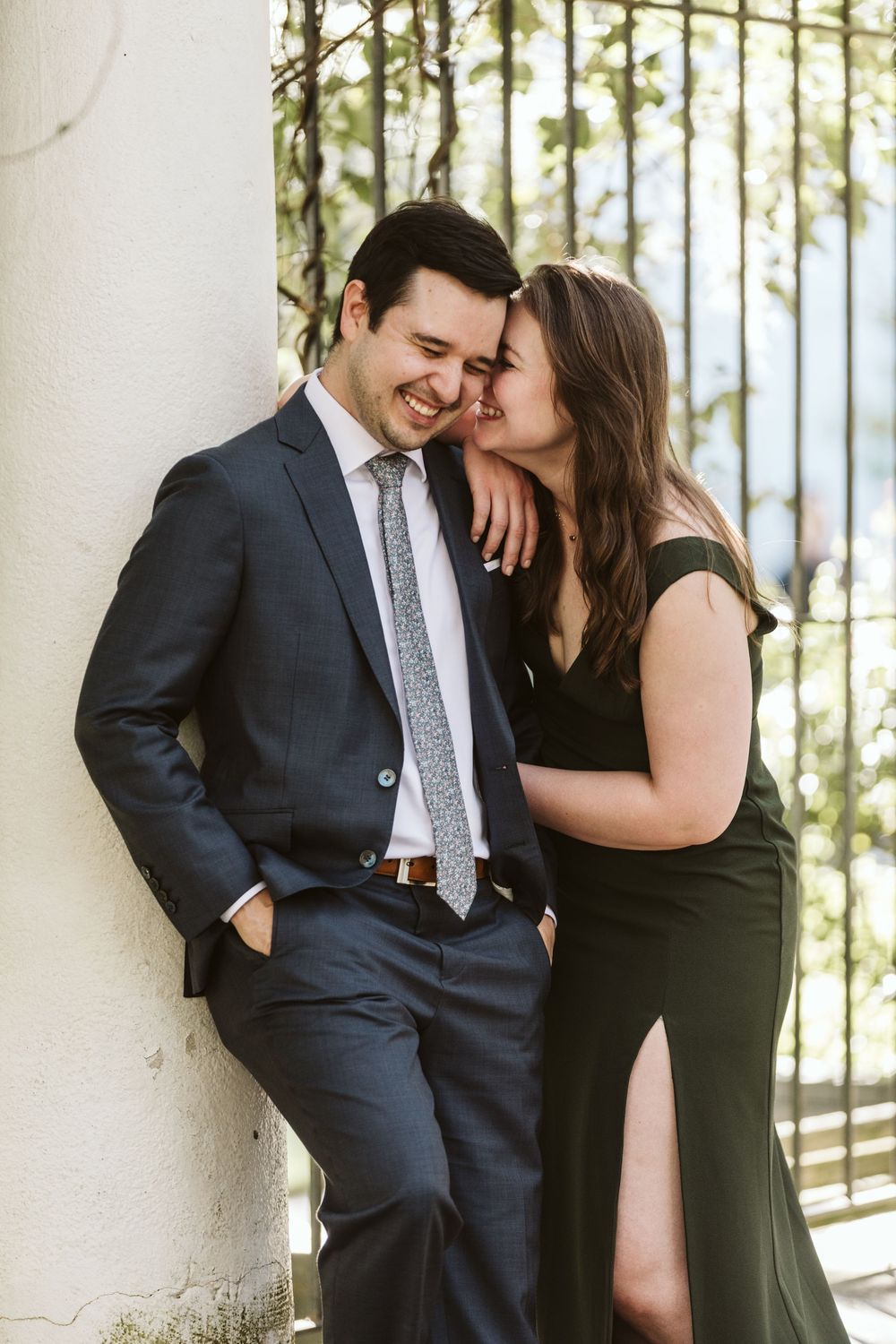
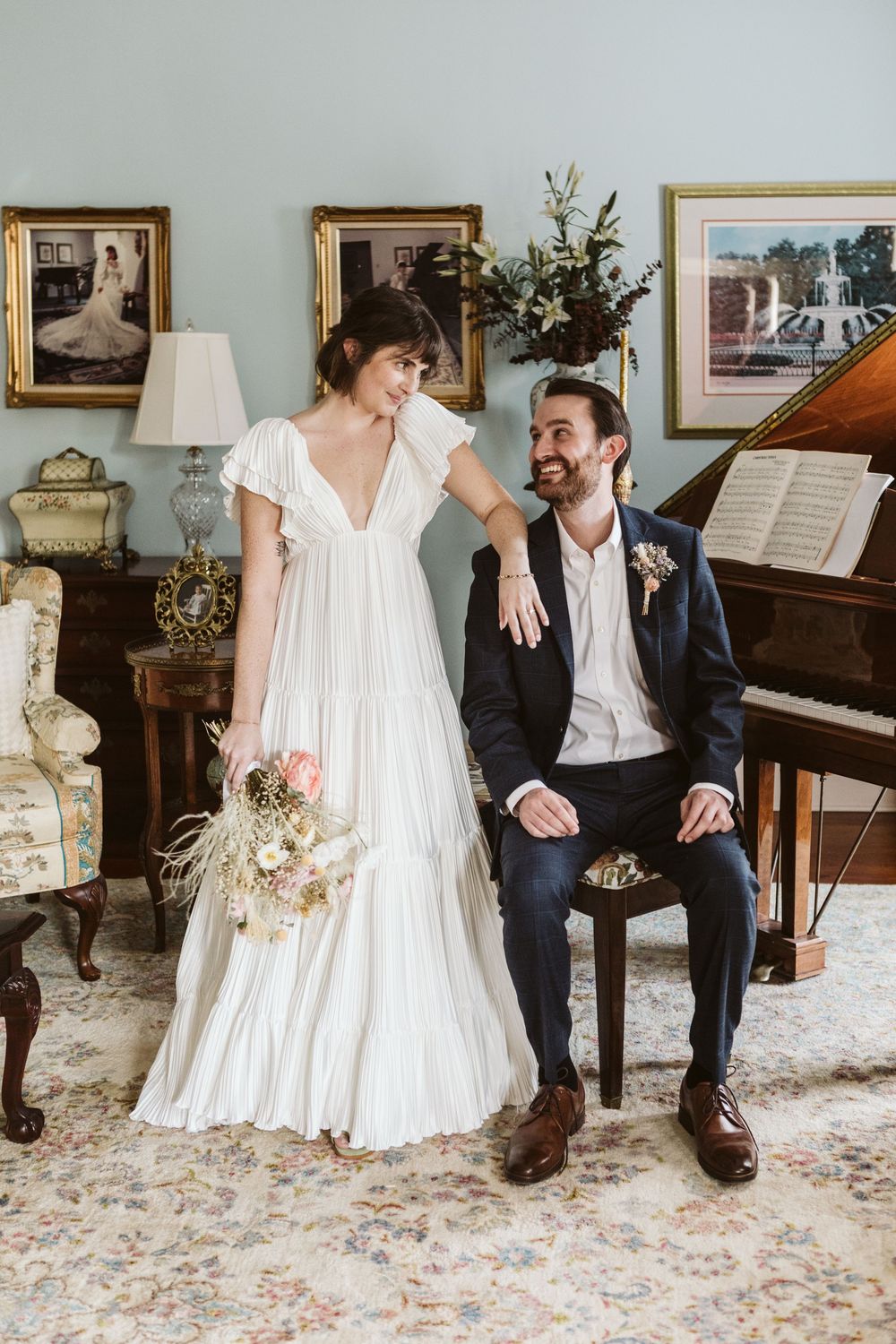
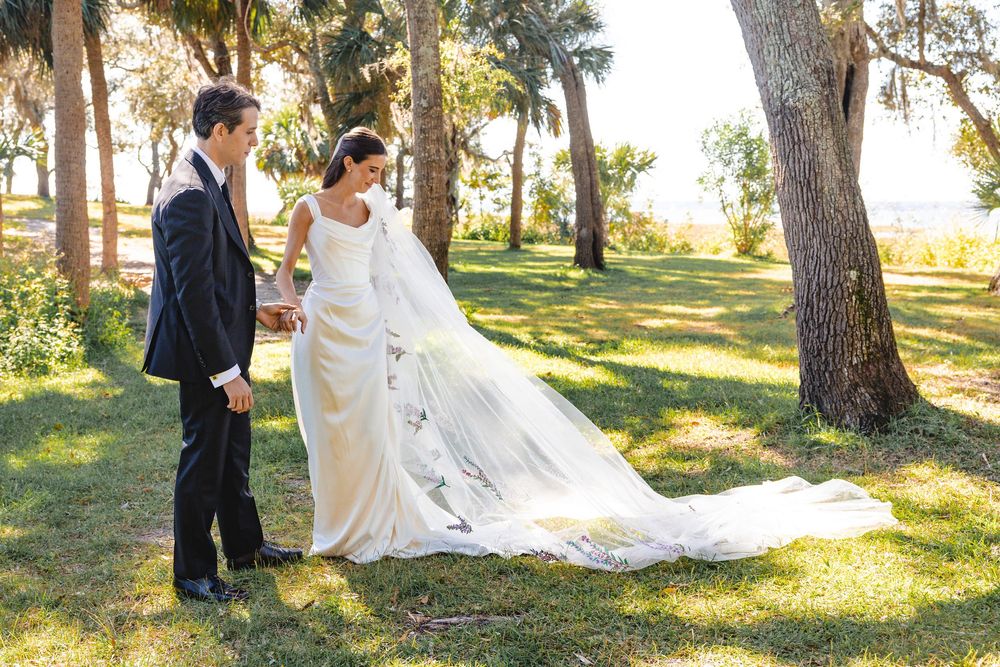
I want you to have beautiful, timeless, simple portraits that feel like yourselves. My portraits aren't highly elaborate or heavily stylized. They're straightforward, intentional photographs that give you something beautiful to hold onto without turning your wedding into a photo shoot.
I'll give you direction when it's useful.
I'll organize your family photographs.
I'll help you find good light.
I'll tell you where to stand if there's a reason to.
And then, as much as possible, I'll get out of your way.
That's the balance I like.
But You Can Go All the Way to the Documentary End
The middle of the spectrum isn't the only option I offer.
If you truly don't want me to interfere with your wedding day, I don't have to.
Some couples don't want posed portraits. They don't want direction. They don't want their photographer pulling them away from their guests or interrupting what they're doing to make a photograph.
They want someone who follows the day, watches carefully, anticipates what's about to happen, and documents it.
That's much closer to the traditional definition of documentary photography—and I'm happy to work that way.
It's less common in wedding photography, but it is absolutely an option.
You don't have to want the same amount of photographic intervention that most couples do.
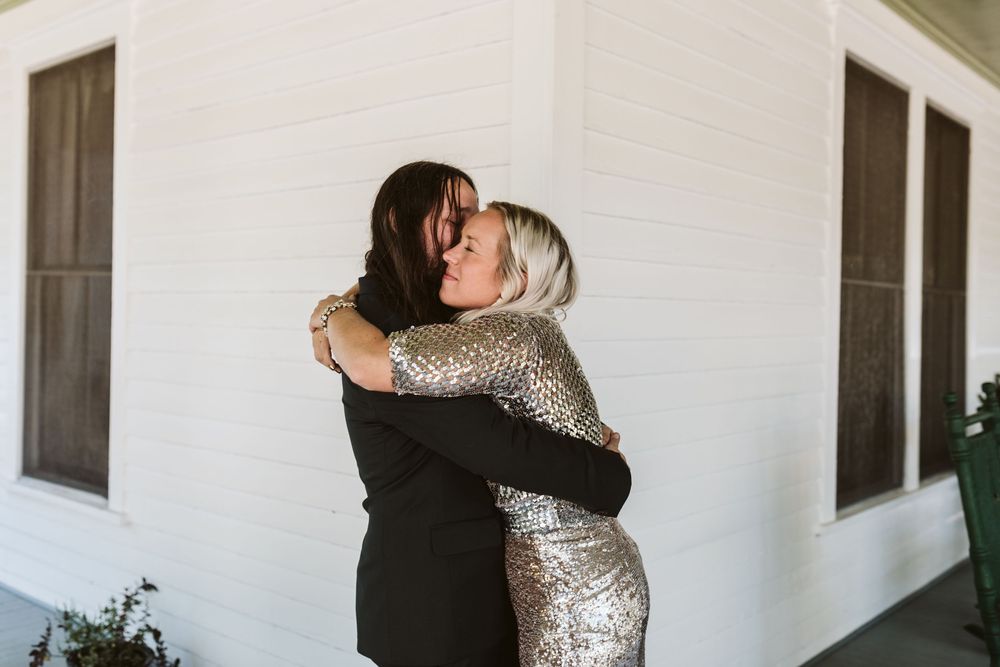
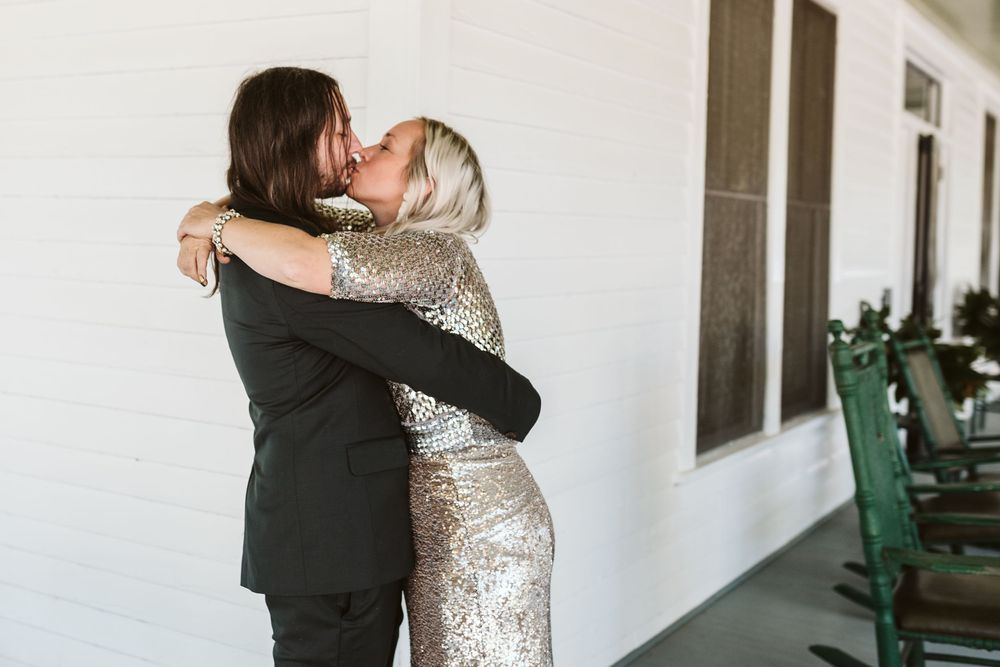
Portraits Don't Have to Take Over the Day
For couples who do want portraits, I still don't think photography needs to dominate the timeline.
Sometimes we have plenty of time.
Sometimes we have ten minutes.
Sometimes we planned for thirty minutes and the weather, timeline, or general chaos of the day gives us eight.
That's okay.
I'm comfortable pivoting.
If something more important is happening, we can make fewer portraits. If the weather changes, we'll adapt. If you're having such a good time with your friends that you don't want to disappear for another twenty minutes, we don't have to.
I don't need a perfect portrait schedule to make good photographs.
And if you decide you don't want portraits at all, that's okay, too.
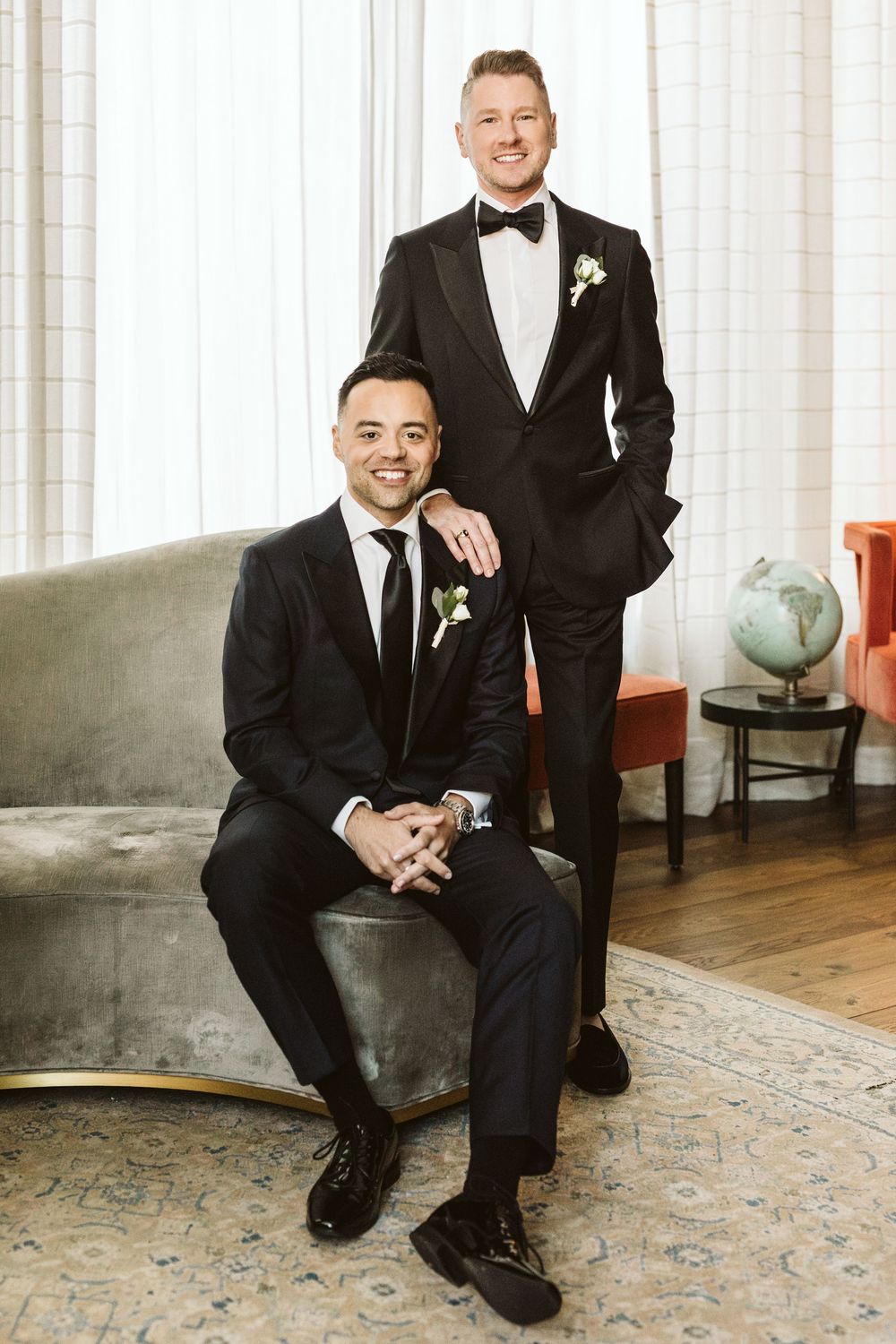
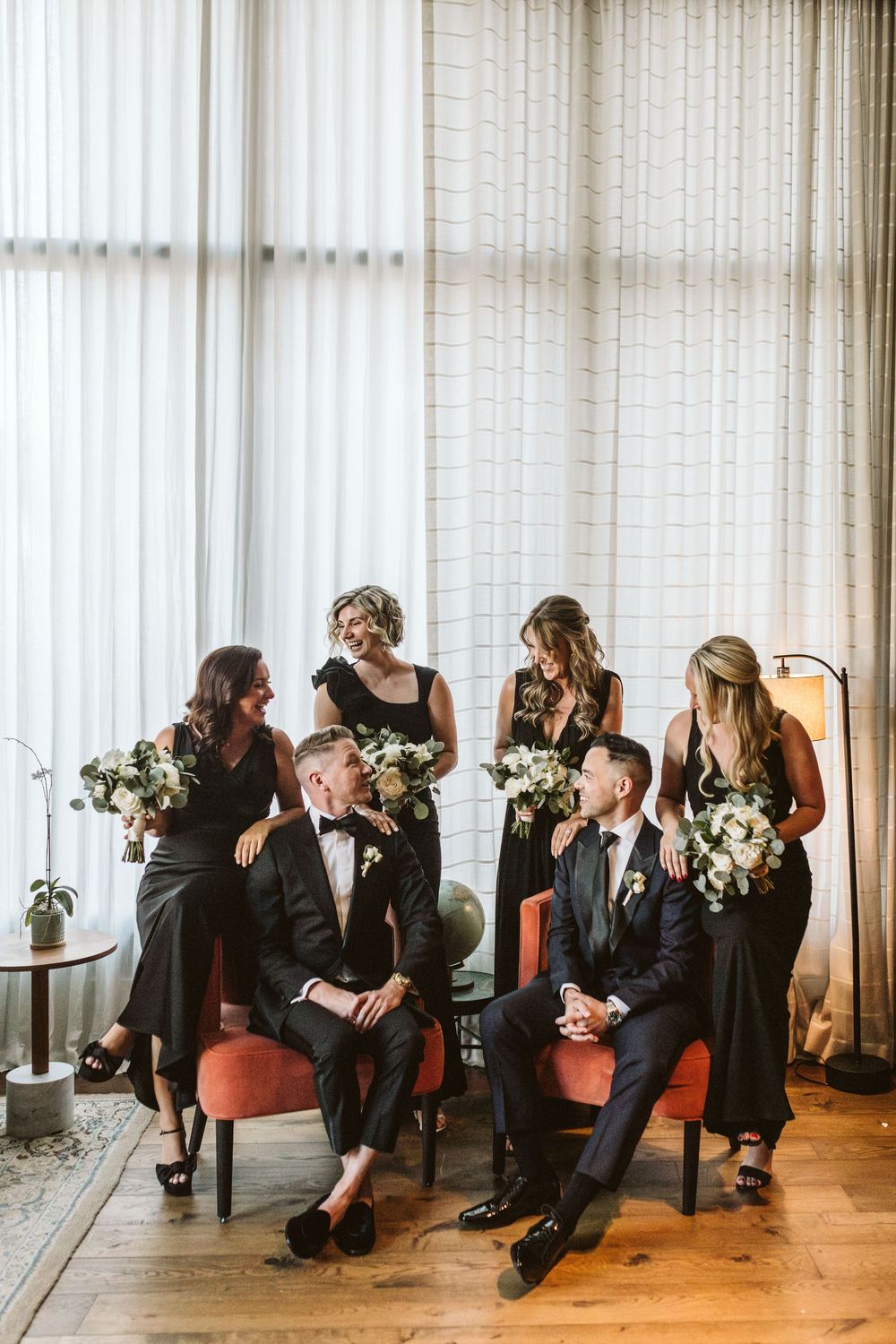
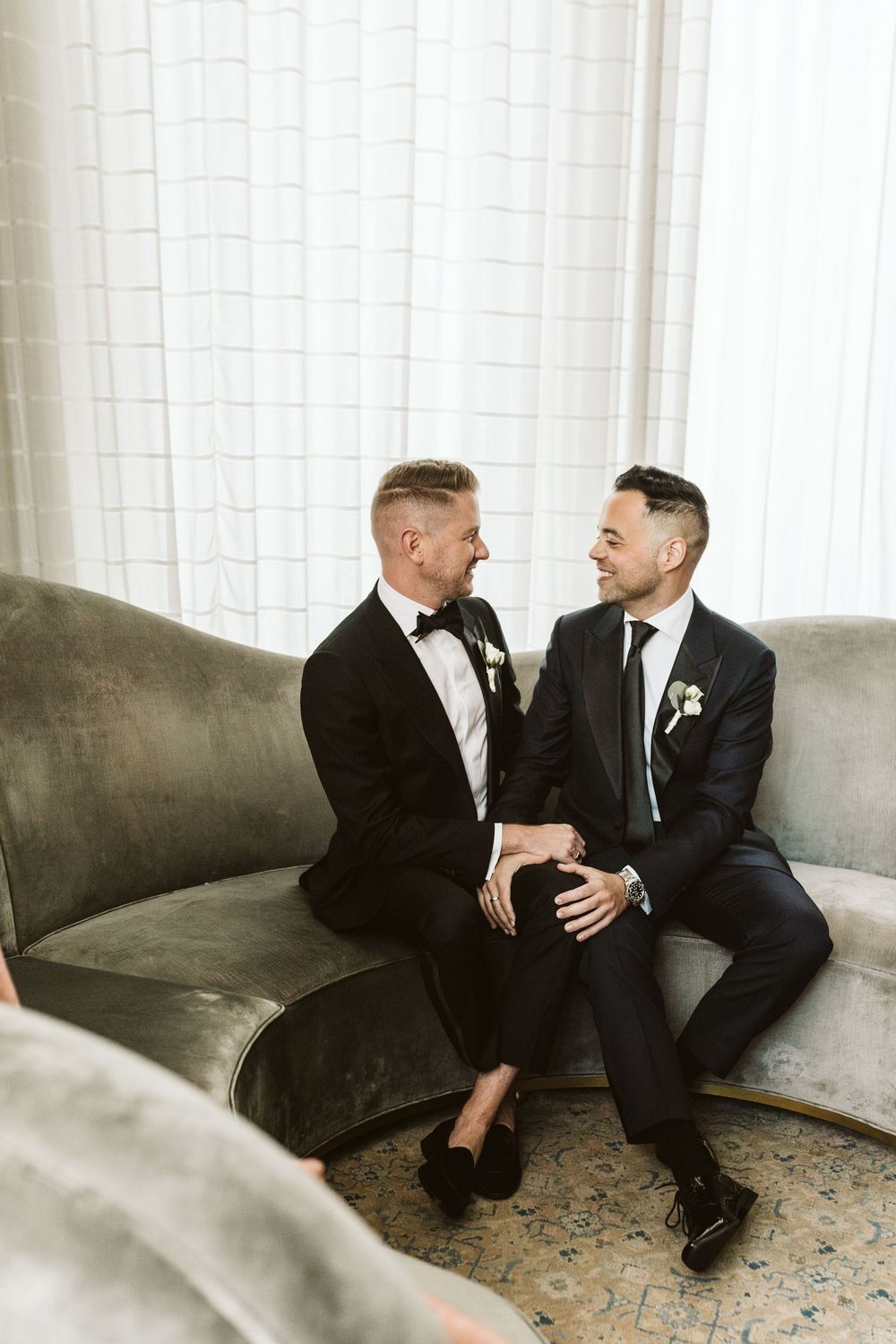
There's a Difference Between Directing a Photograph and Directing Your Wedding
This distinction matters.
Giving you some direction during a portrait doesn't suddenly make the entire approach non-documentary.
Likewise, organizing twenty family members for a photograph isn't the same thing as manufacturing an emotional moment.
There are parts of a wedding where intervention is useful.
If we're making family photographs, I'm going to take charge enough to get everyone where they need to be.
If we're making portraits, I may move you into better light or give you something simple to do if you're not sure what to do with yourselves.
But I don't want that direction to spill over into the rest of your day.
The goal isn't to create a photograph at every opportunity.
The goal is to photograph the wedding without making the wedding about photography.
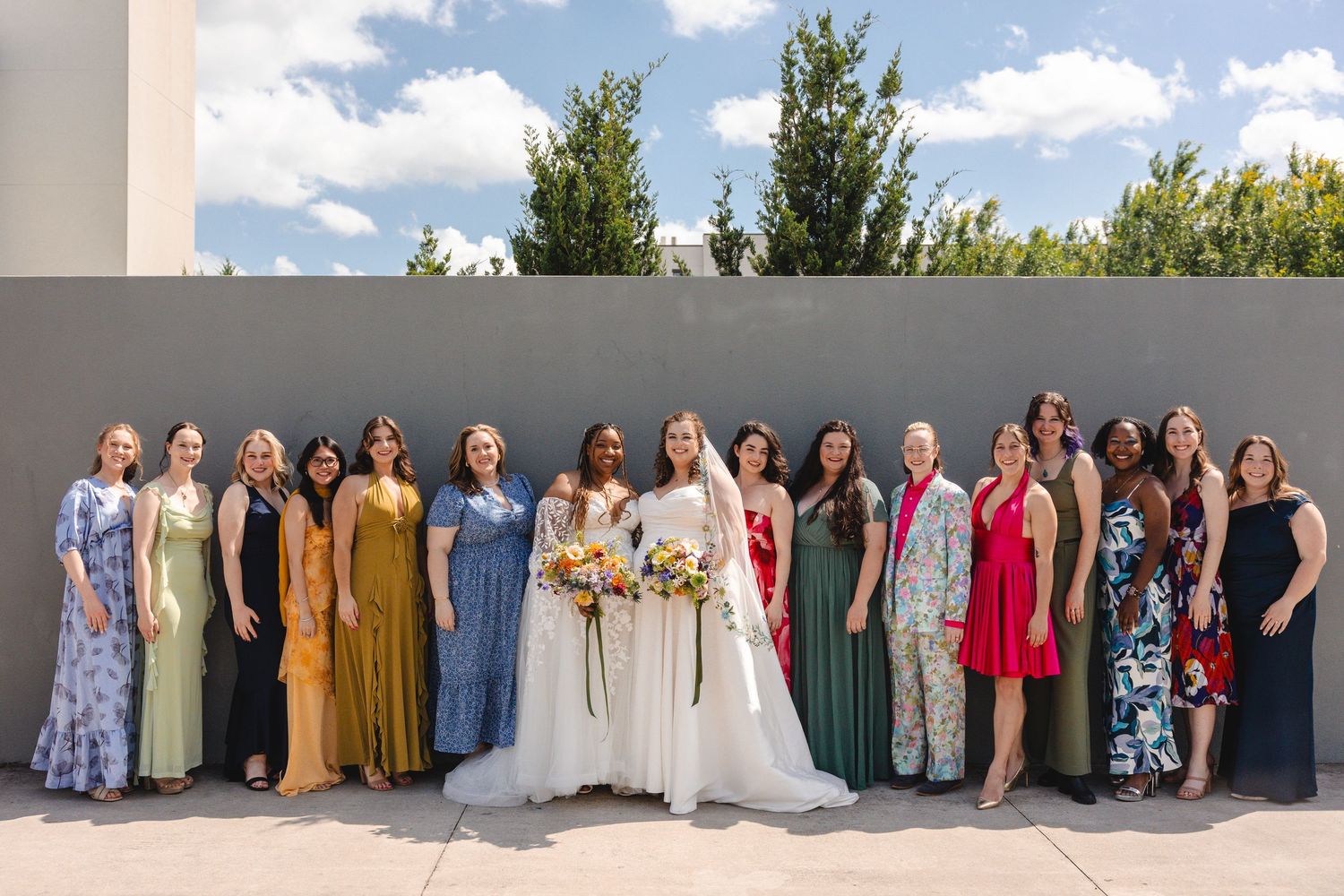
I'm Paying Attention to What Happens Around You
Your wedding isn't just about the two people getting married.
It's about everyone who showed up.
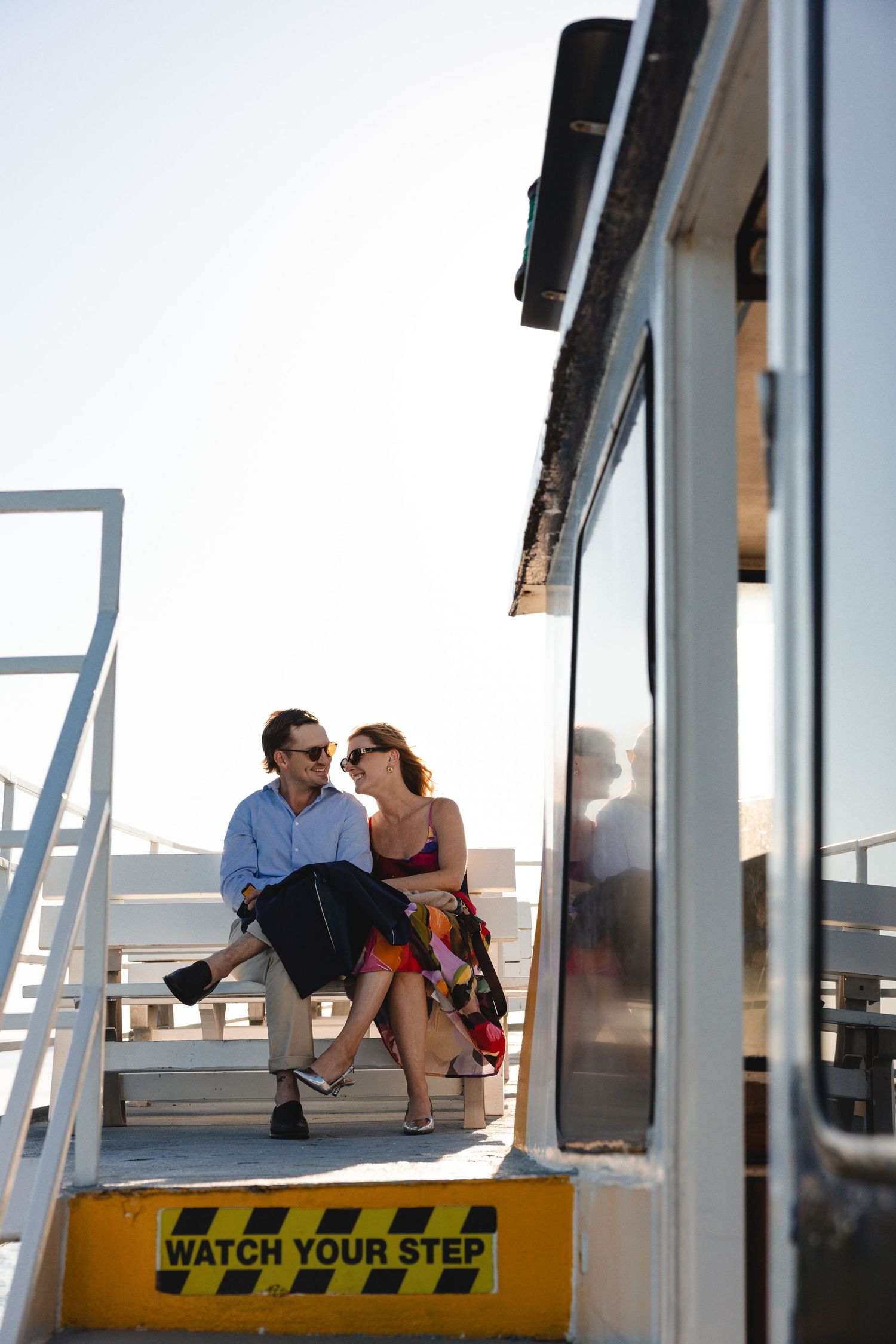
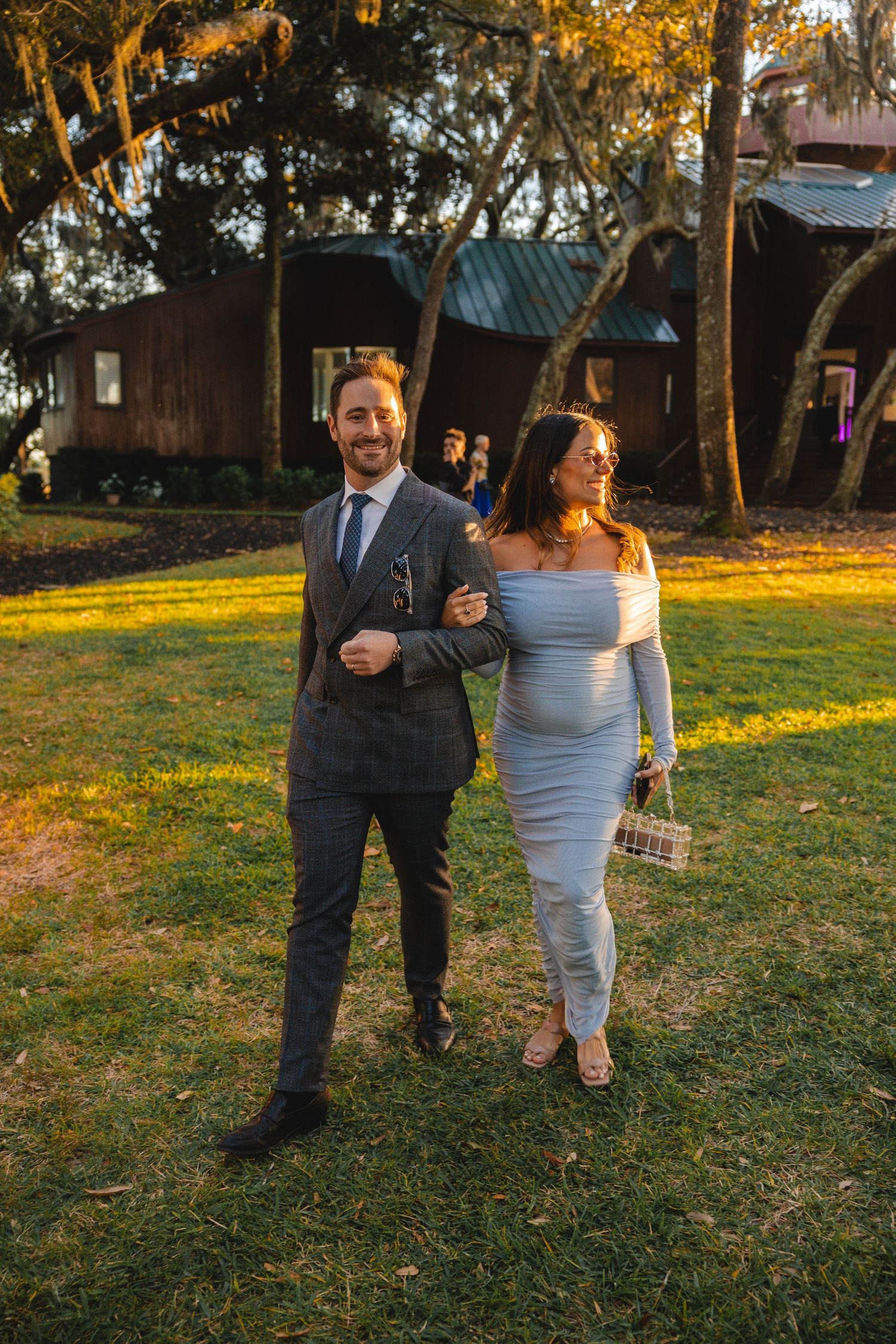
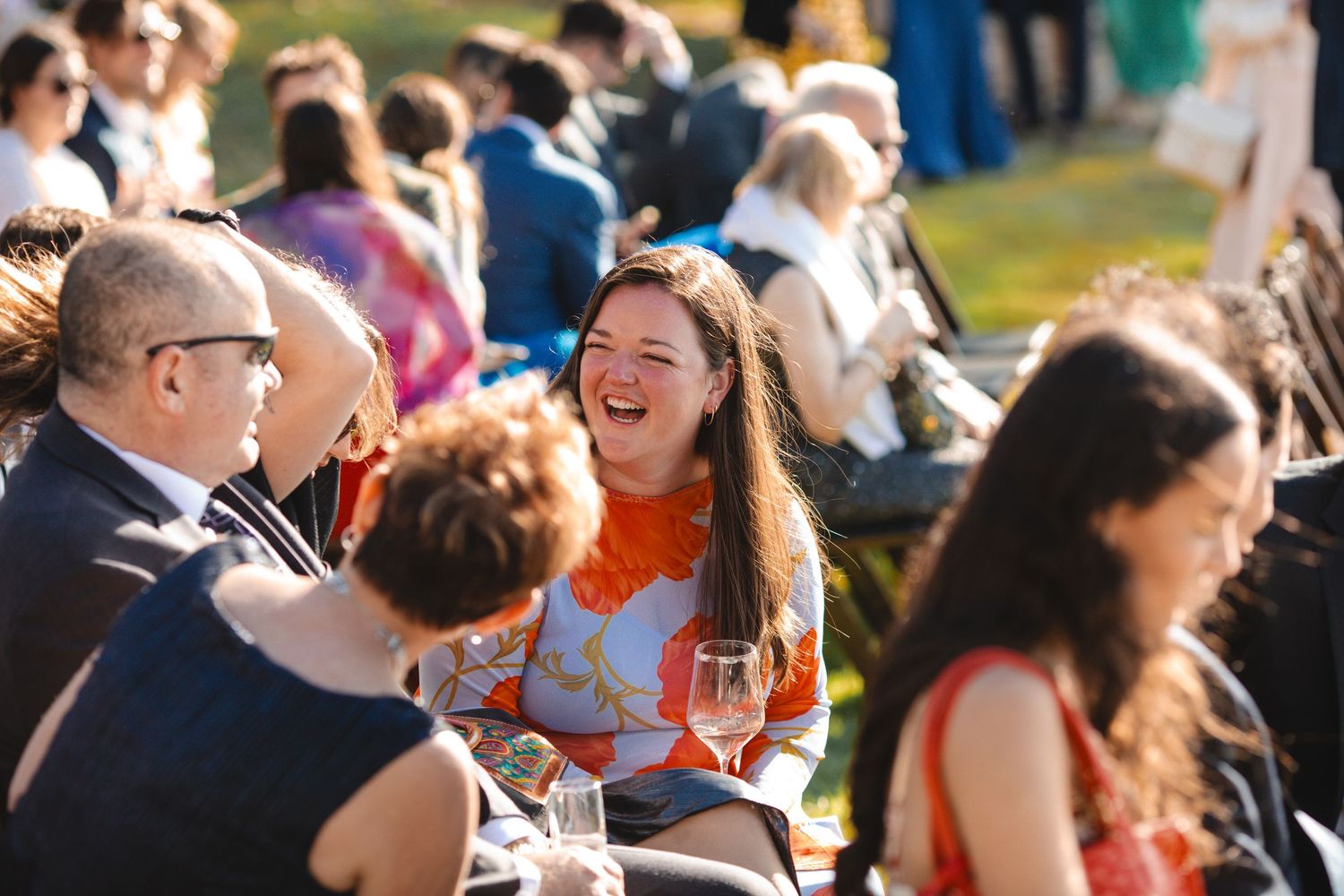
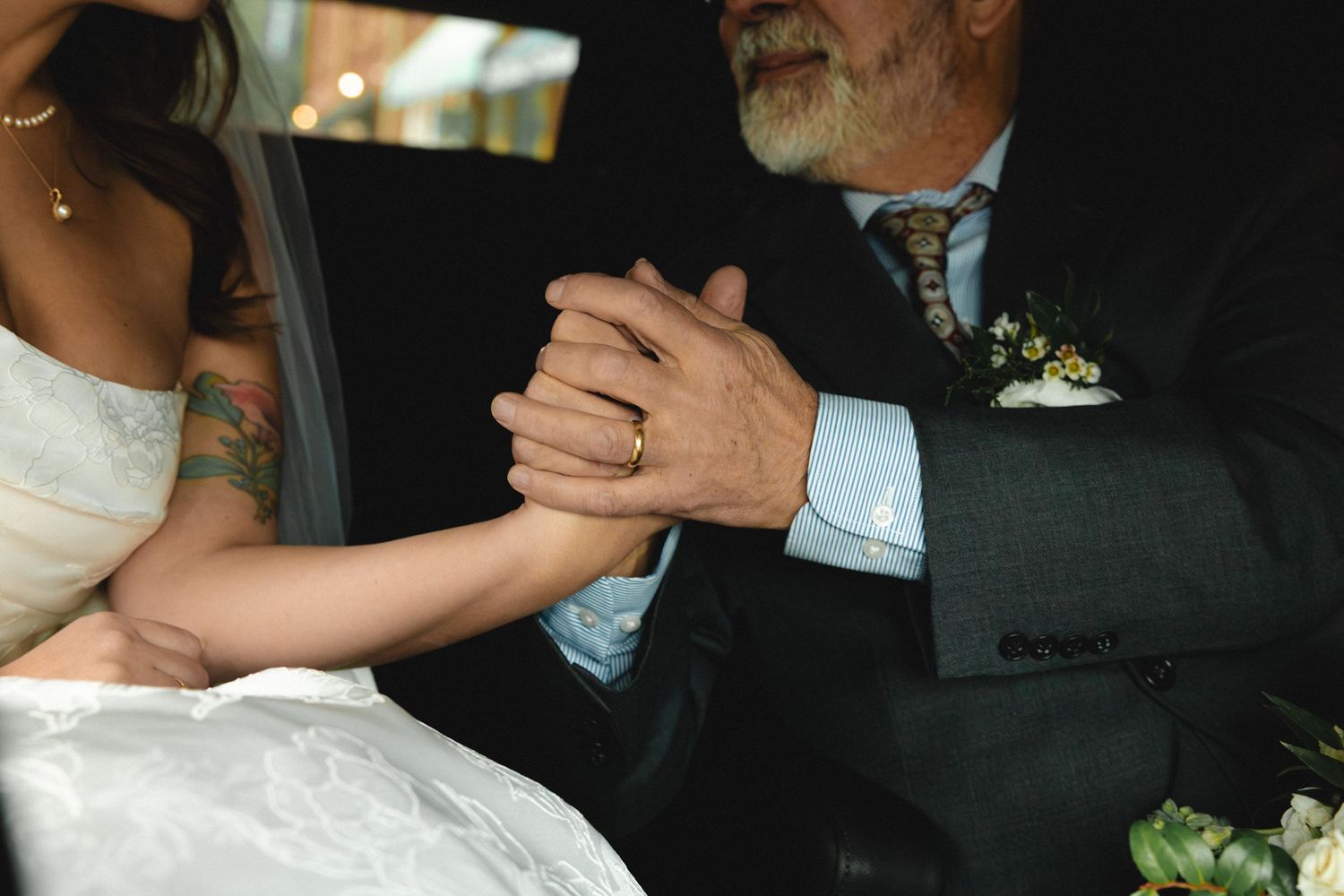
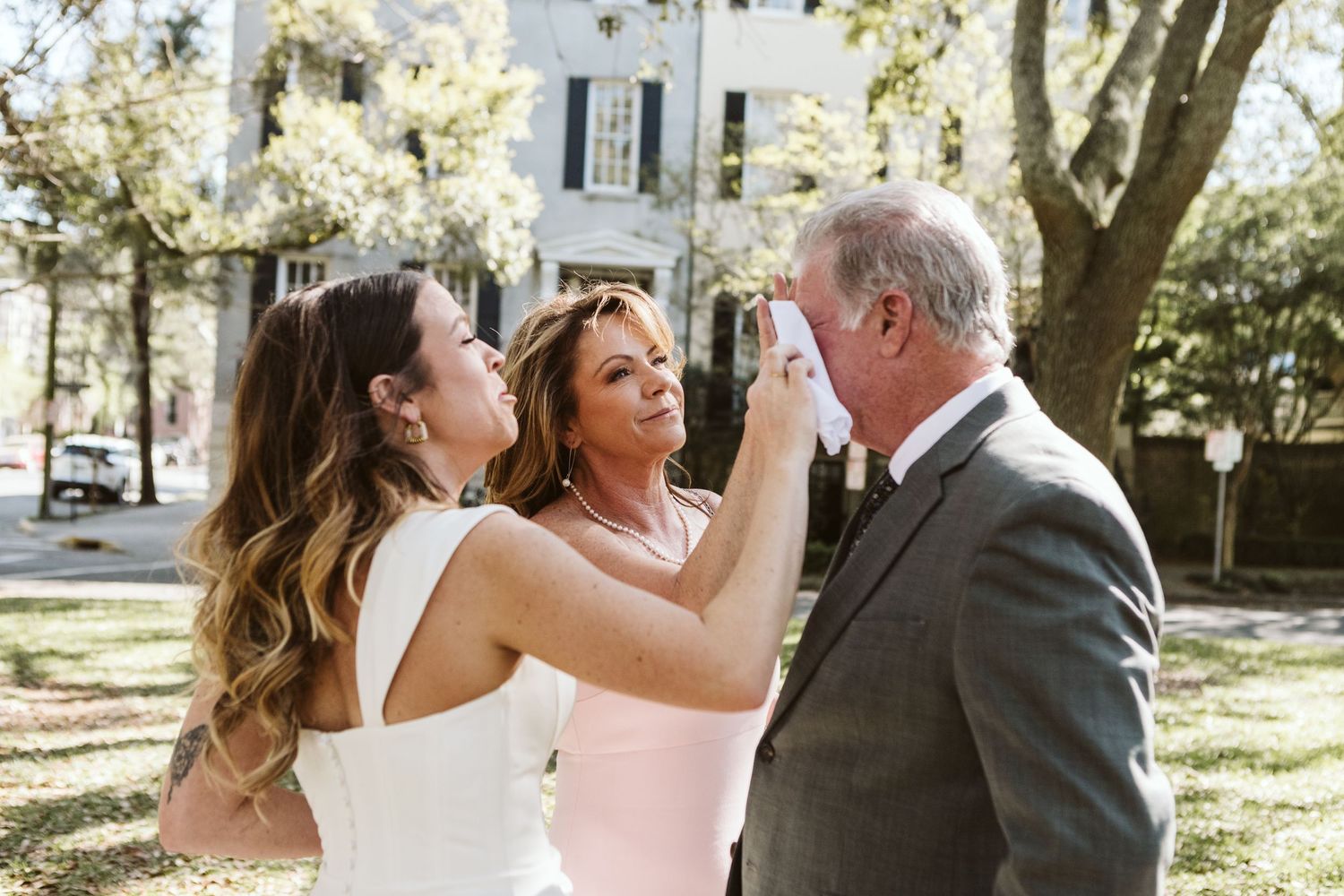
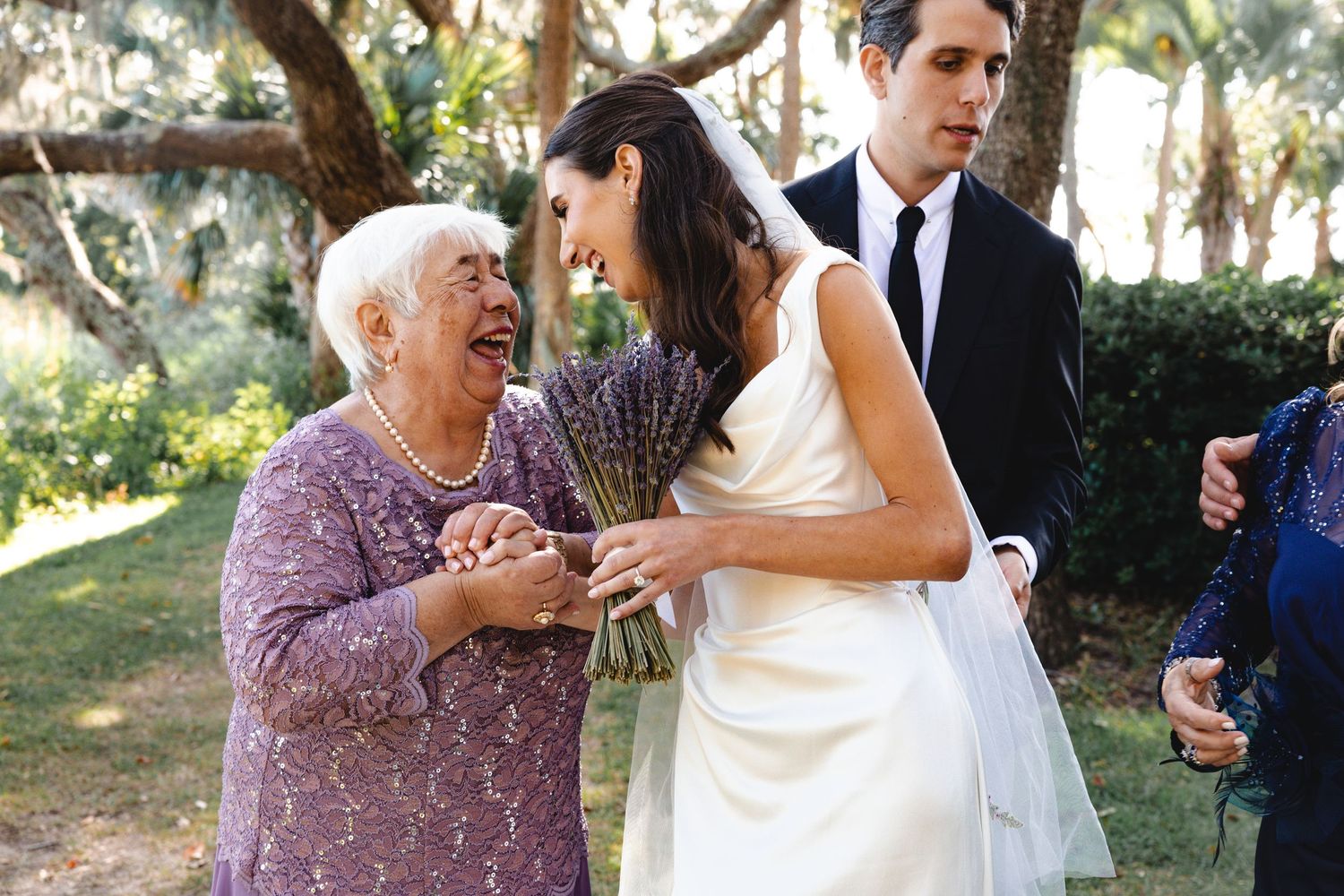
The friend who starts crying during the ceremony. Your dad trying to hold it together. Your best friend making you laugh during family portraits. Your grandmother dancing. Someone sneaking another piece of cake. The people who haven't seen each other in years suddenly acting like they're teenagers again.
Those things are part of the story.
I'm watching for them.
I'm paying attention to relationships, reactions, movement, light, little gestures, and the things that can easily disappear if everyone is focused on making the "right" photograph.
Sometimes the photograph I love most from a wedding isn't the big moment.
It's what happened immediately afterward.
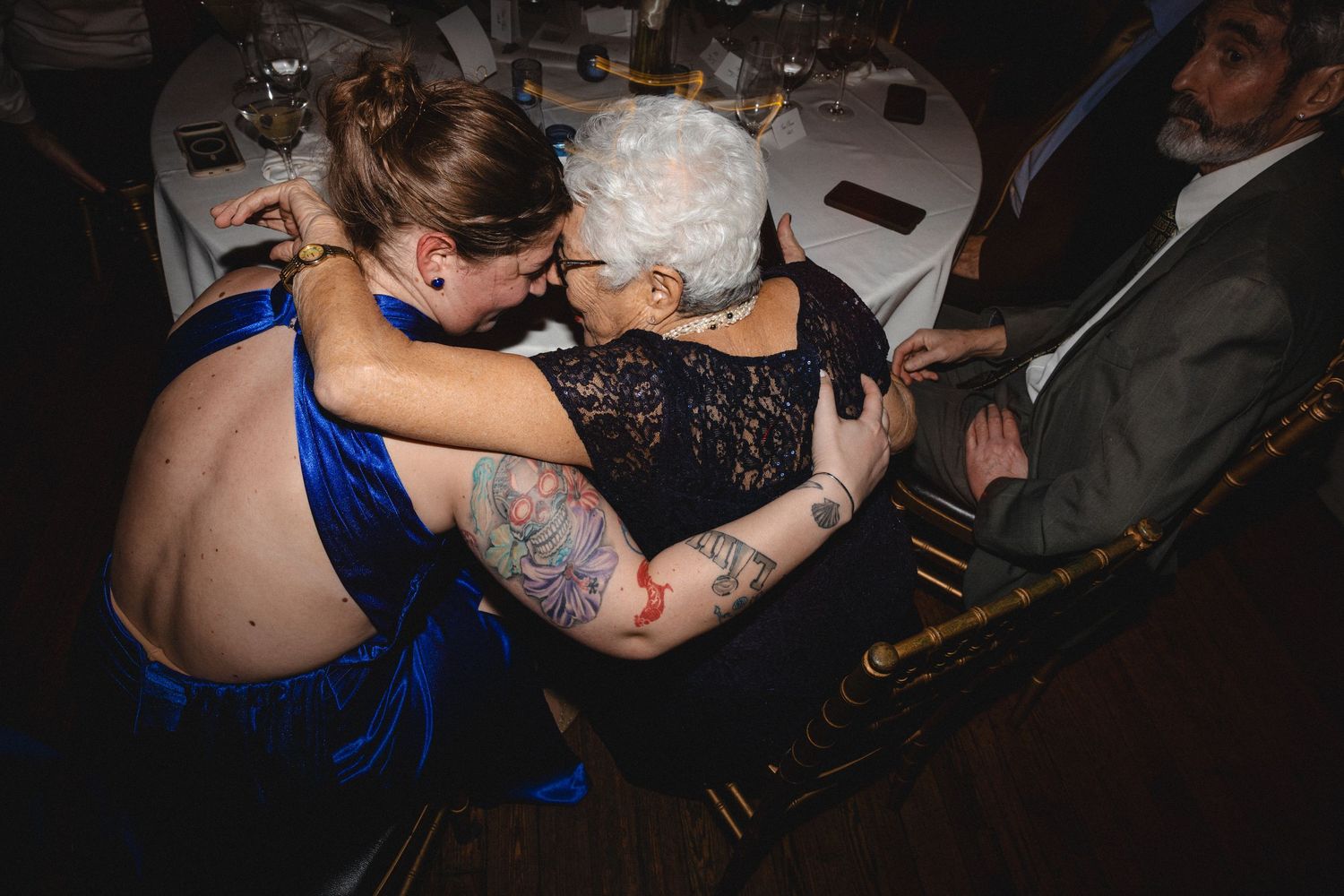
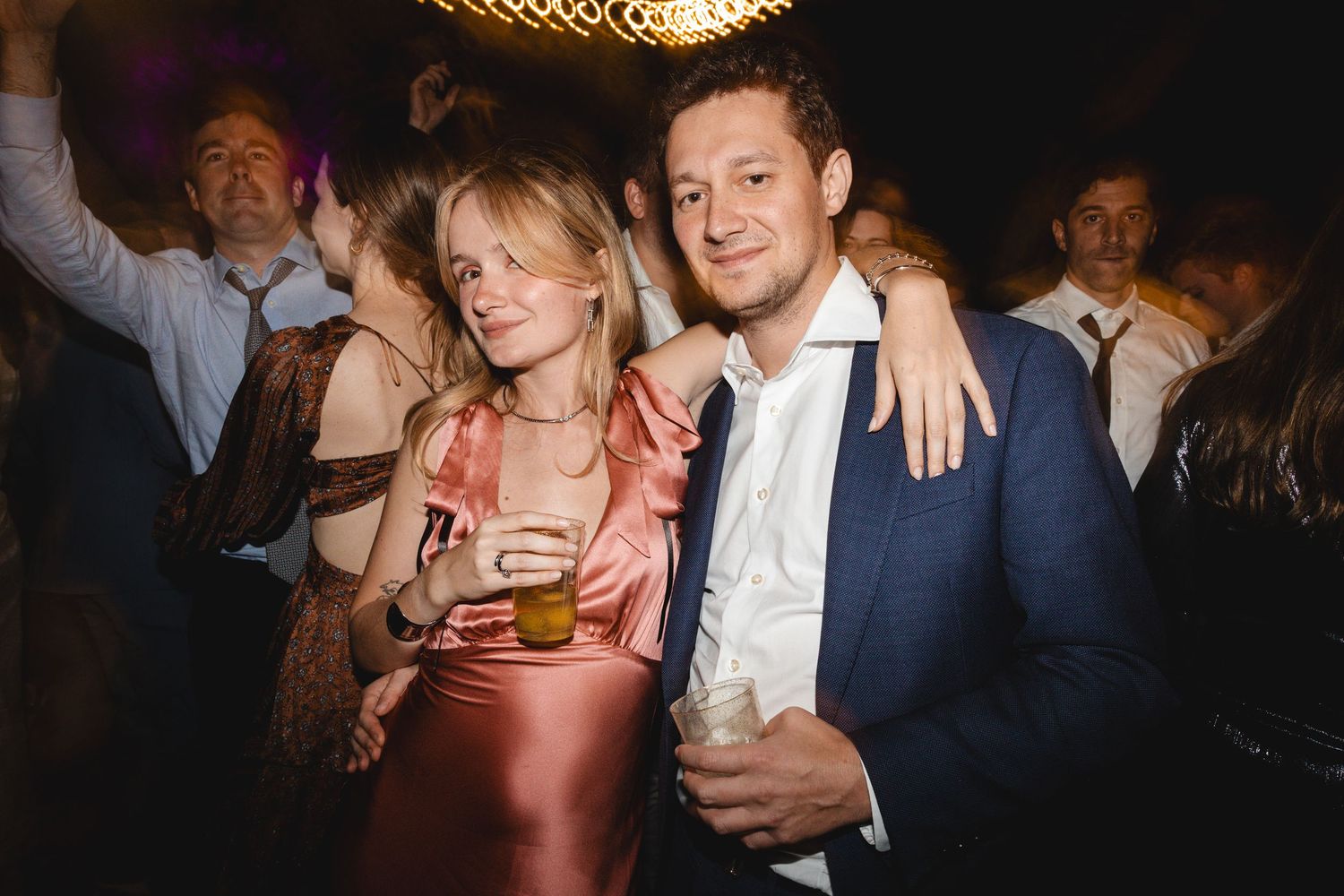
The In-Between Moments Matter
Some of my favorite wedding photographs aren't technically events at all.
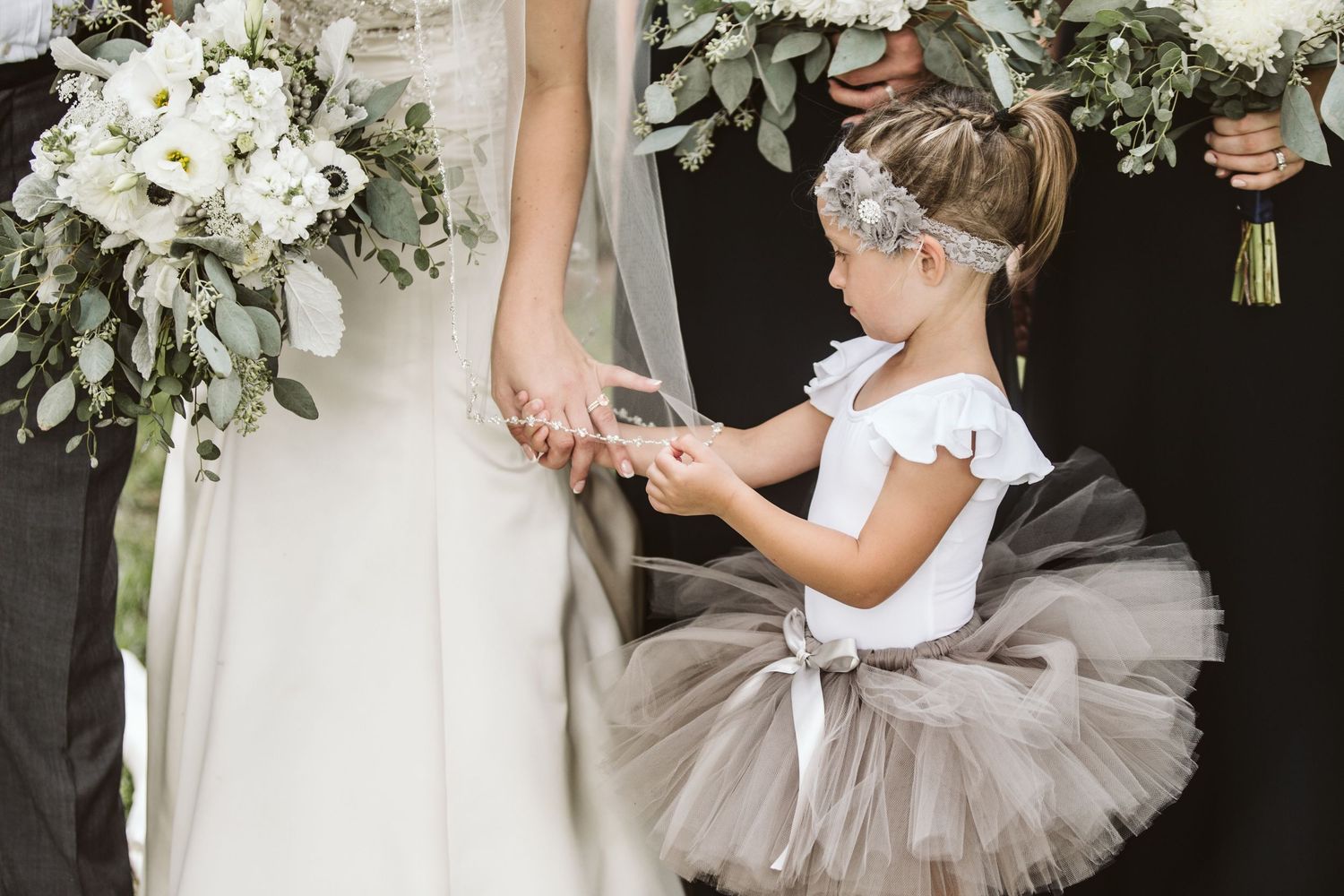
They're the transitions.
Getting into the car.
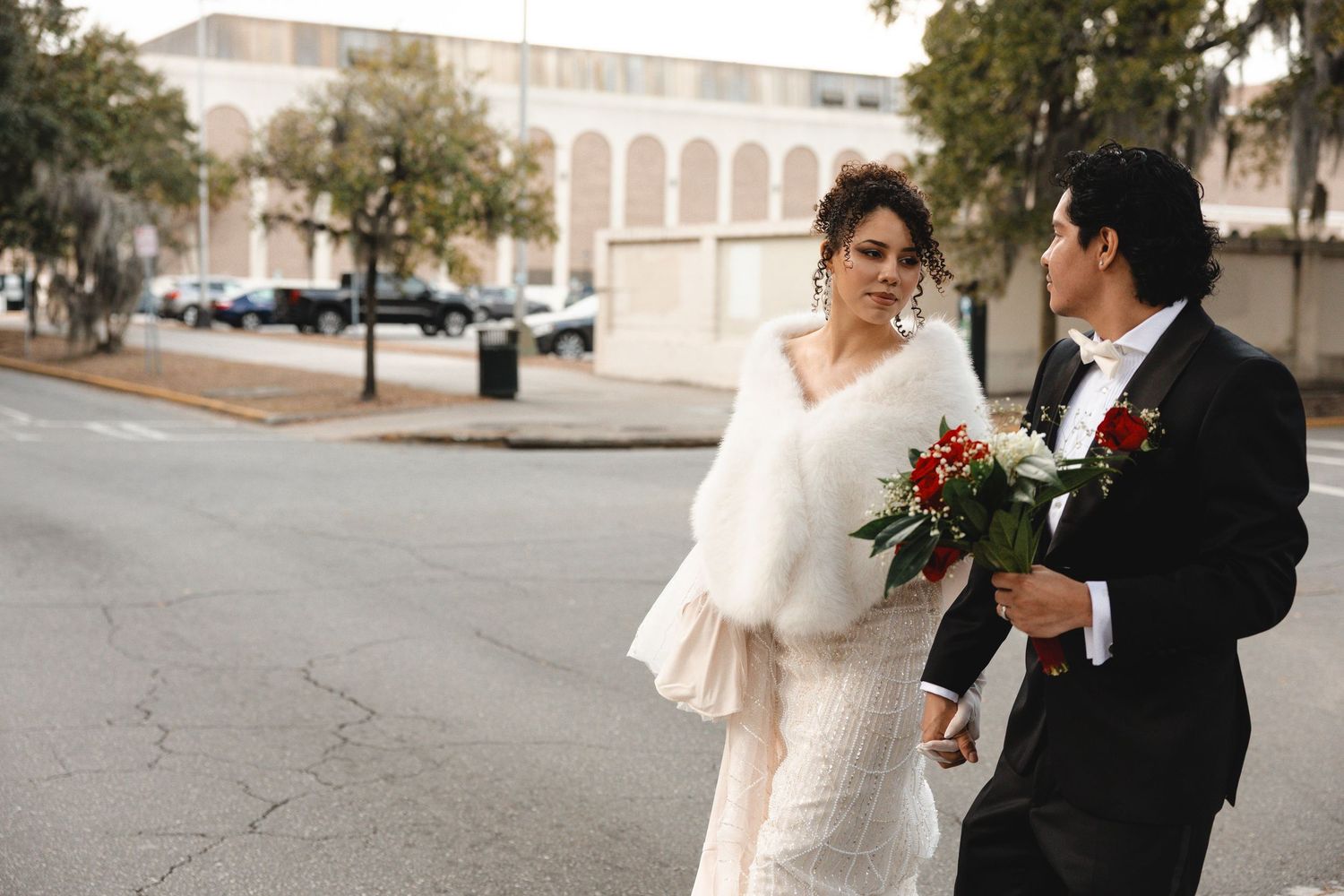
Walking down a hallway.
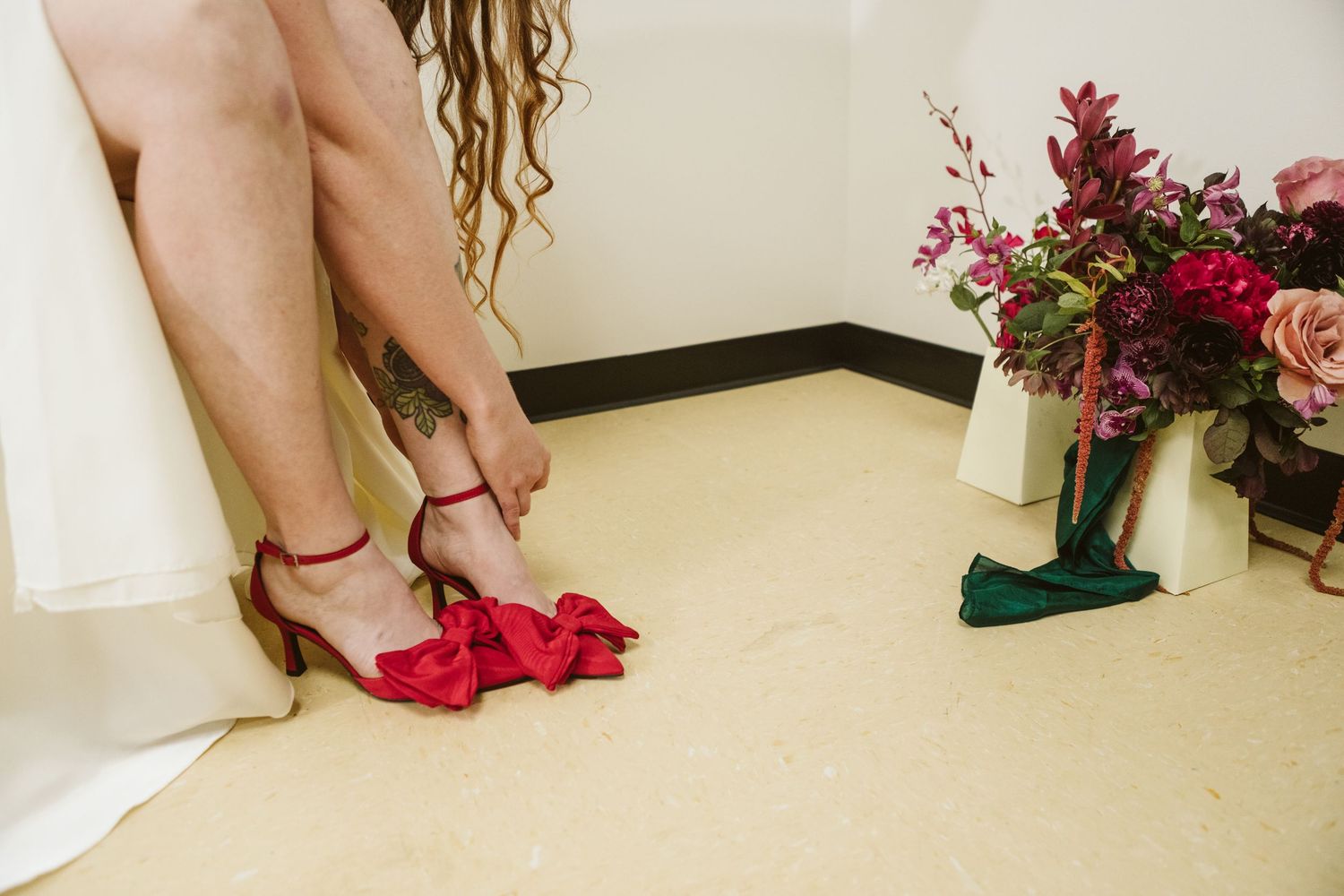
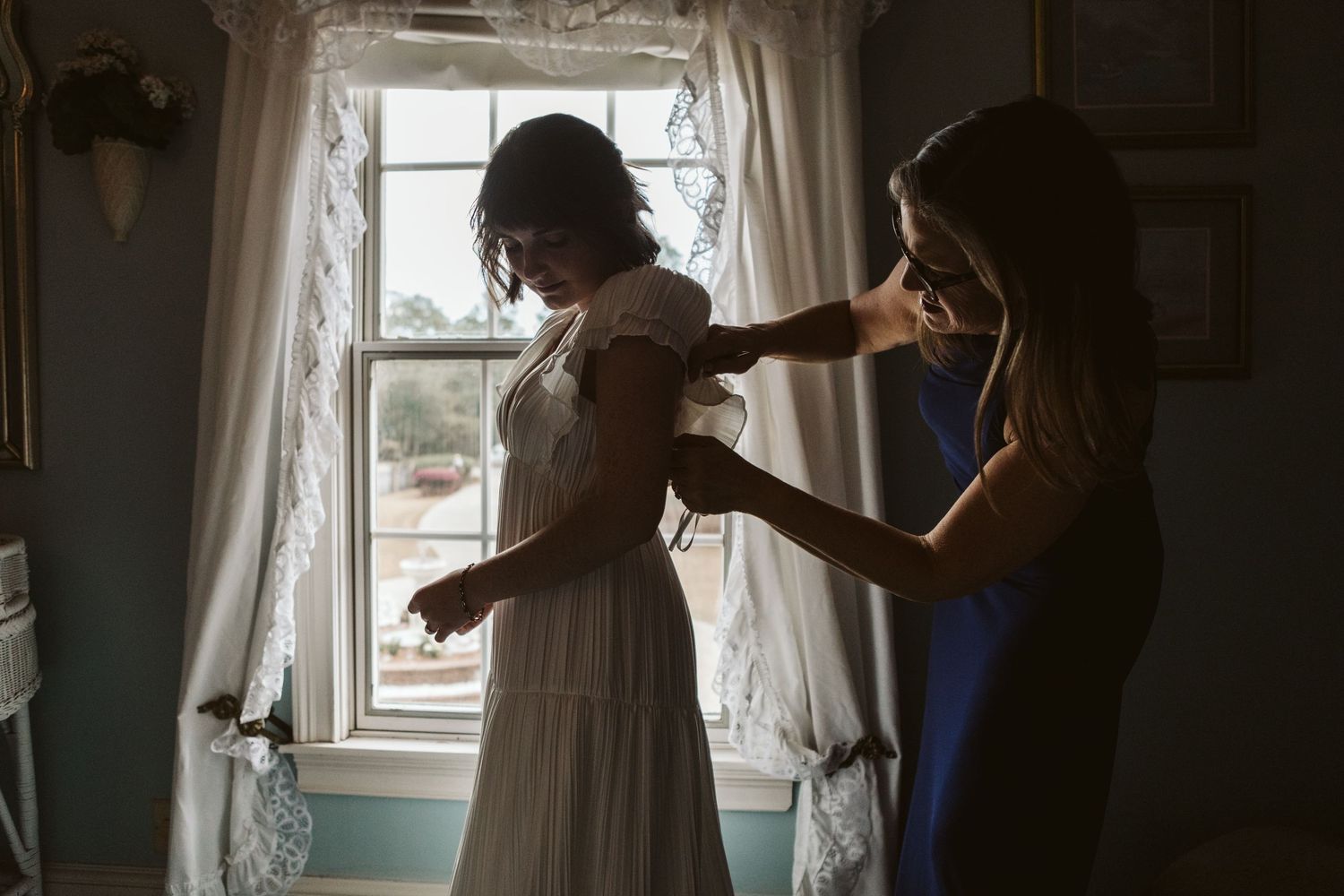
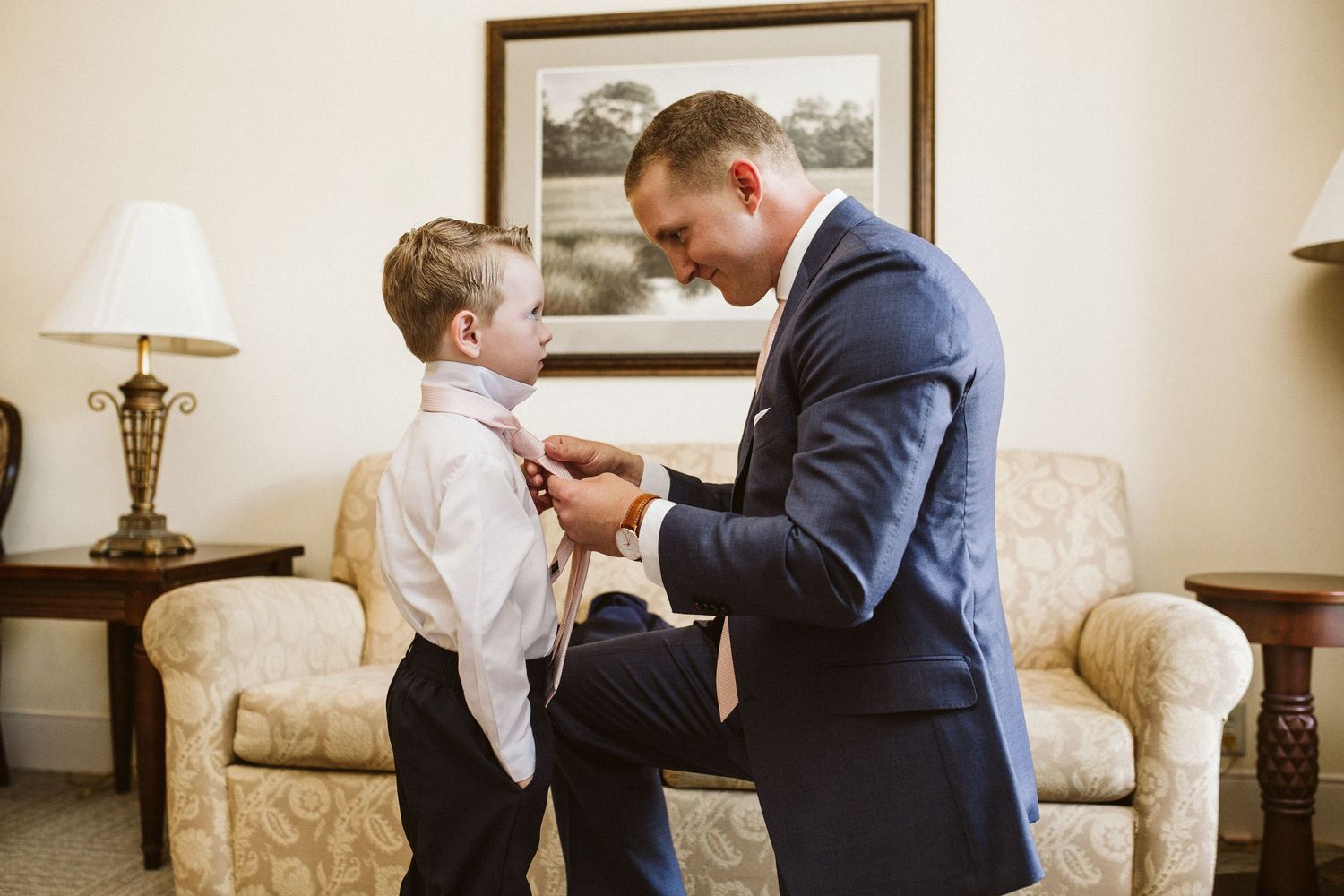
Your mom fixing something on your dress.
Friends hanging out before the ceremony.
Waiting for everyone to get seated.
The few minutes when you and your partner finally get to breathe.
The person who makes you laugh when you're supposed to be taking a serious photograph.
These moments aren't usually on the wedding timeline.
But they're often the things that bring the day back when you look through your photographs years later.
That's why I don't want to fill every empty space in your timeline with photography.
There needs to be room for life to happen.
What I've Learned From Working Alongside Other Photographers
I've also spent a lot of time working as a second photographer, and that experience has influenced the way I approach weddings.
Being able to watch other photographers work gave me a different perspective on the balance between creating photographs and documenting a wedding as it unfolds.
There are so many things competing for a photographer's attention on a wedding day. Beautiful details deserve to be photographed. Portraits matter. Family photographs matter.
And sometimes creating a particular image takes time and intention.
But while you're focused on one thing, something else can be happening somewhere else.
I've learned to keep an eye on the bigger picture—to notice when a moment is developing across the room, when a couple is ready to move on from portraits, or when the energy of the day is shifting.
Sometimes the best decision is to stop what I'm doing and pay attention to what's happening right now.
There will always be another portrait we could make. Another detail we could photograph. Another variation we could try.
But some moments only happen once.
I've learned that the photograph should serve the experience, rather than the experience having to serve the photograph.
That means I'm paying attention not only to what is happening in front of my camera, but to what's happening around it.
If you've had enough portraits, I'll notice.
If you're ready to get back to your guests, I'll let you go.
If something unexpected and meaningful is happening somewhere else, I want to be there for it.
After all, you're not hiring me just to create a collection of beautiful photographs. You're hiring me to preserve the experience of being there.
I Don't Need Your Wedding to Look a Certain Way
One of the things I love about this approach is that it doesn't require your wedding to fit a particular aesthetic.
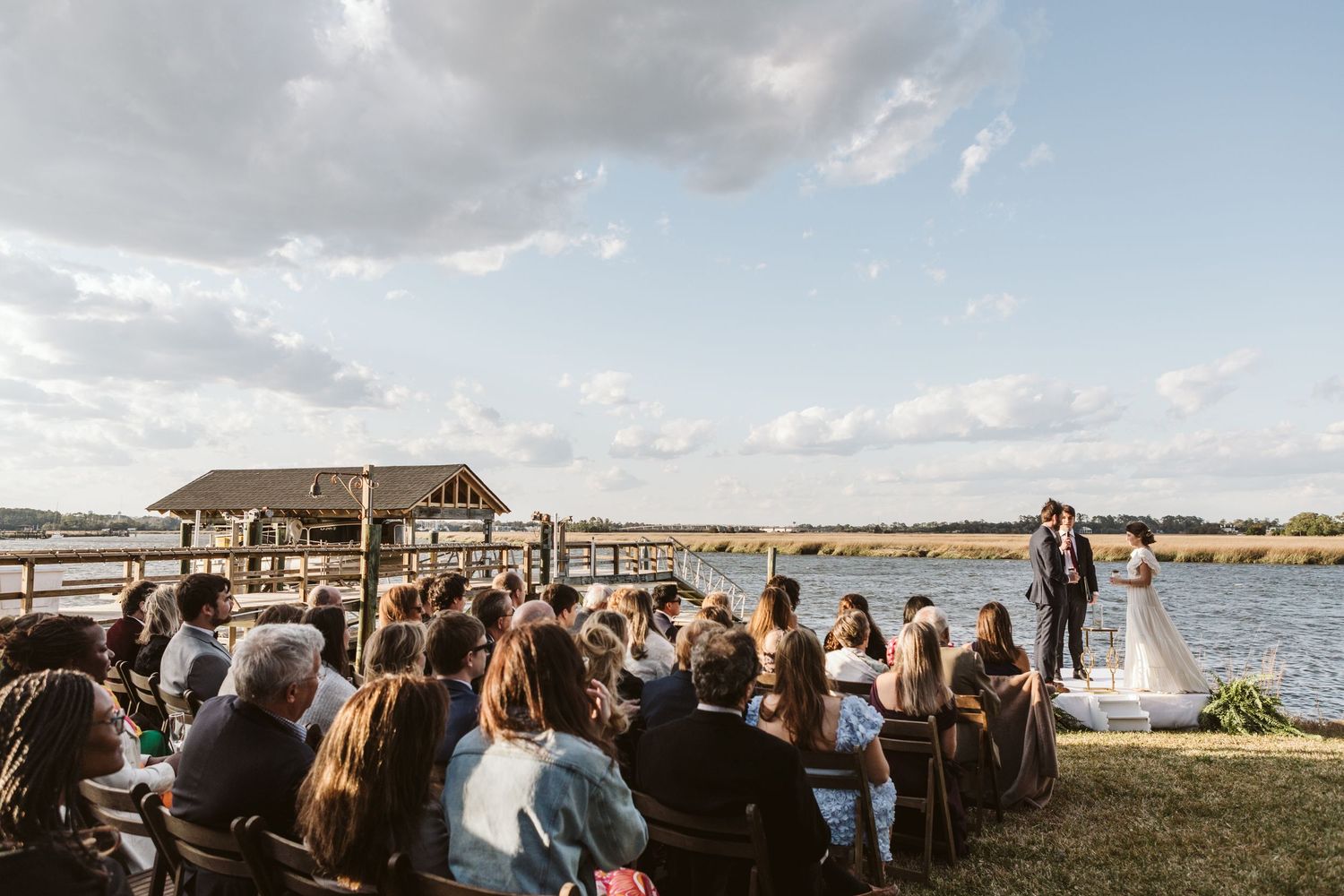
I've photographed backyard weddings, historic buildings, restaurants, hotels, churches, industrial spaces, beaches, intimate celebrations, and big parties.
The common thread isn't the venue.
It's the people.
You don't need a perfectly styled wedding to have beautiful photographs.
You don't need a huge guest list.
You don't need a traditional ceremony.
You don't even need a traditional wedding venue.
Your wedding can be whatever makes sense for you, and my job is to pay attention to what makes it yours.
I'm Comfortable When the Plan Changes
Wedding days rarely go exactly according to plan.
Someone is late.
The ceremony runs long.
The weather changes.
The timeline gets rearranged.
You lose your window for portraits.
Something completely unexpected happens.
I don't see that as a problem that needs to be hidden from the photographs.
It's part of the story.
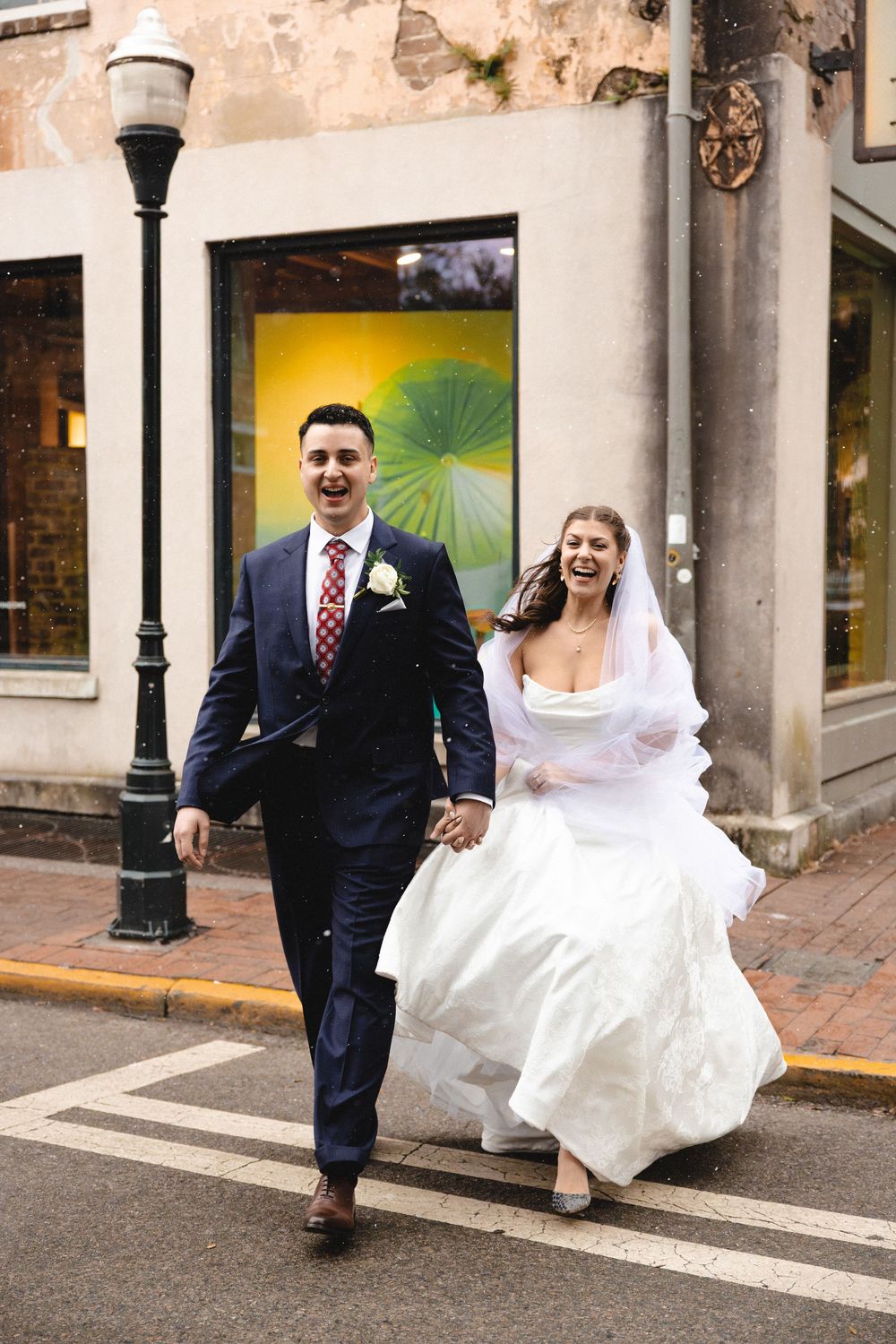
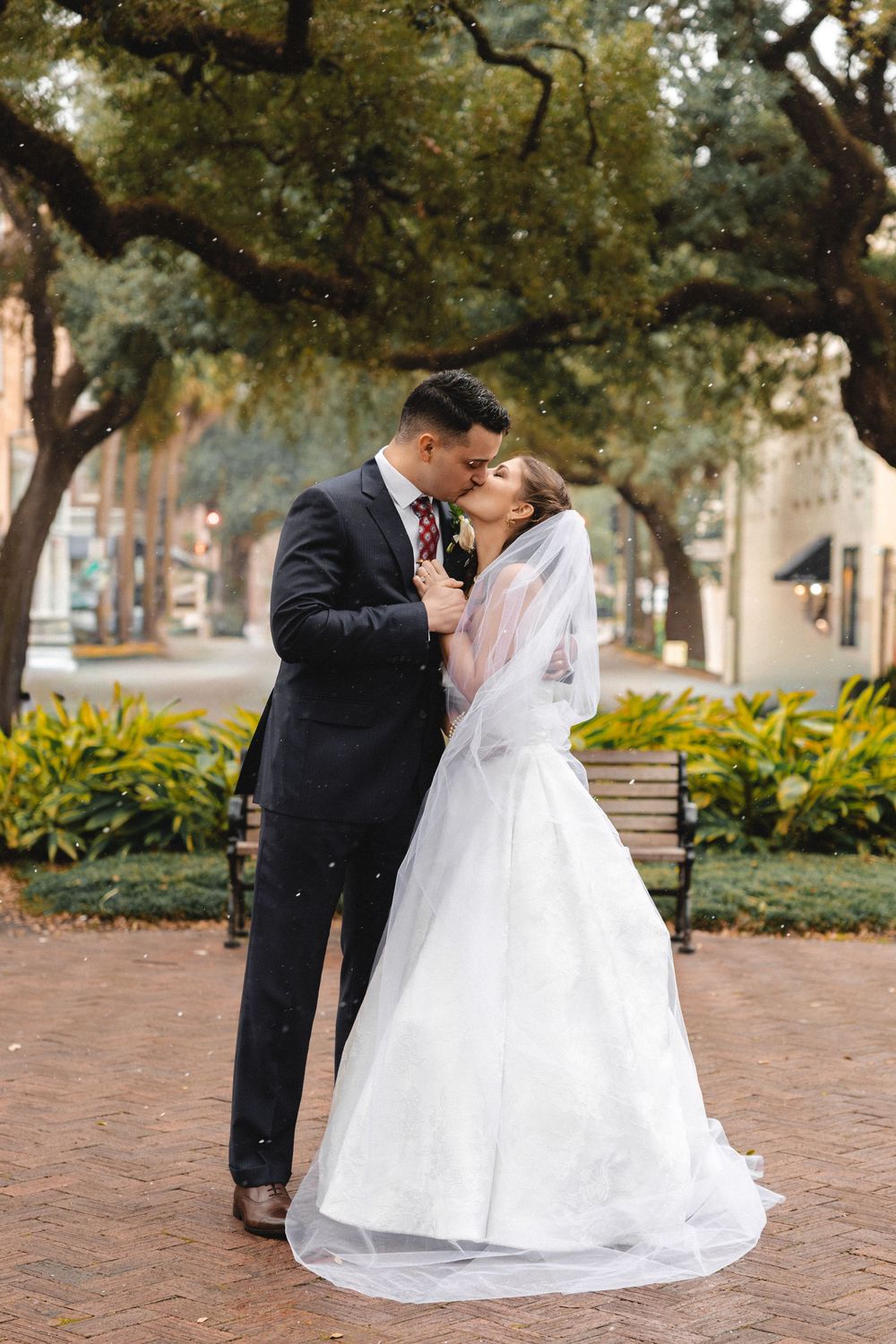
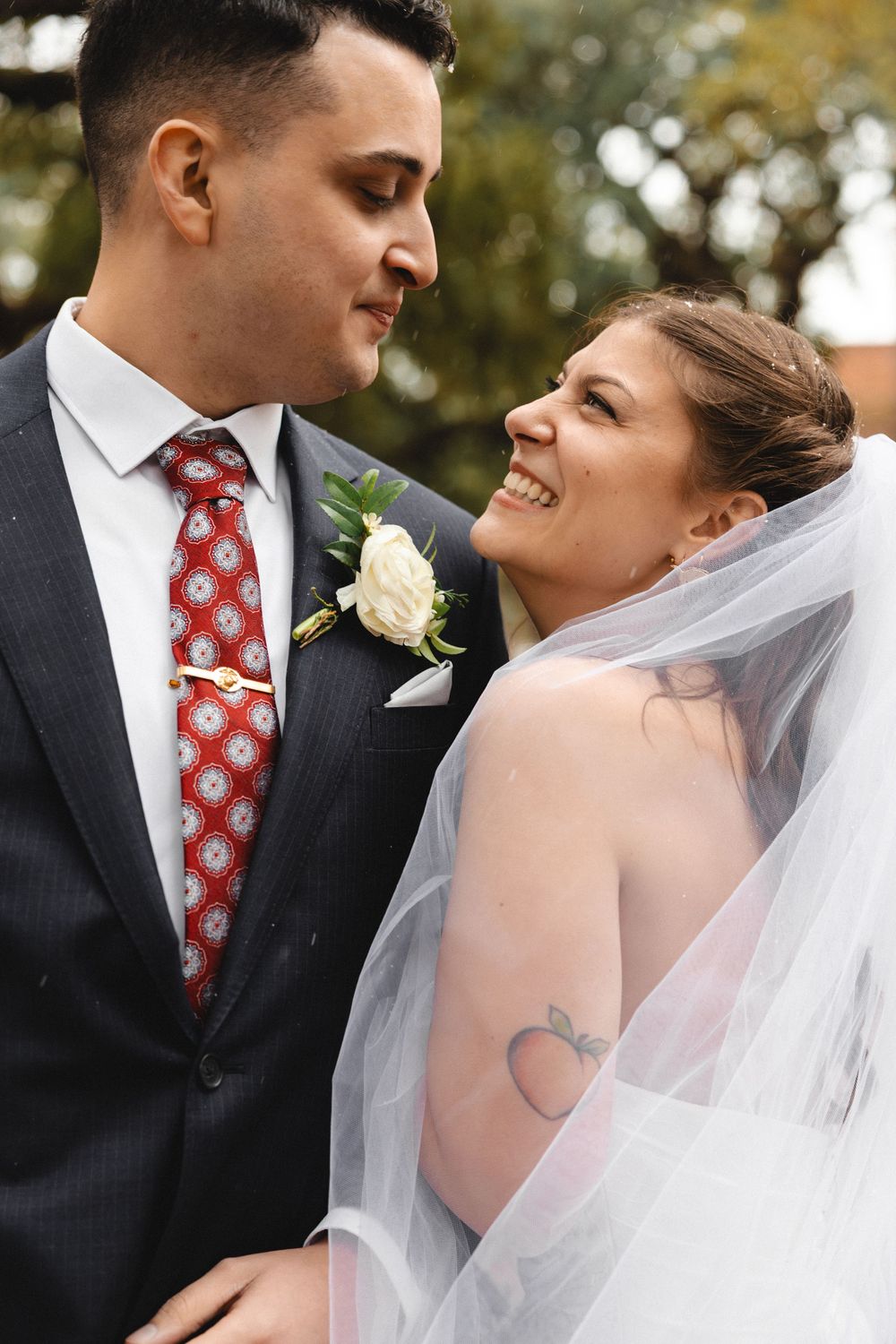
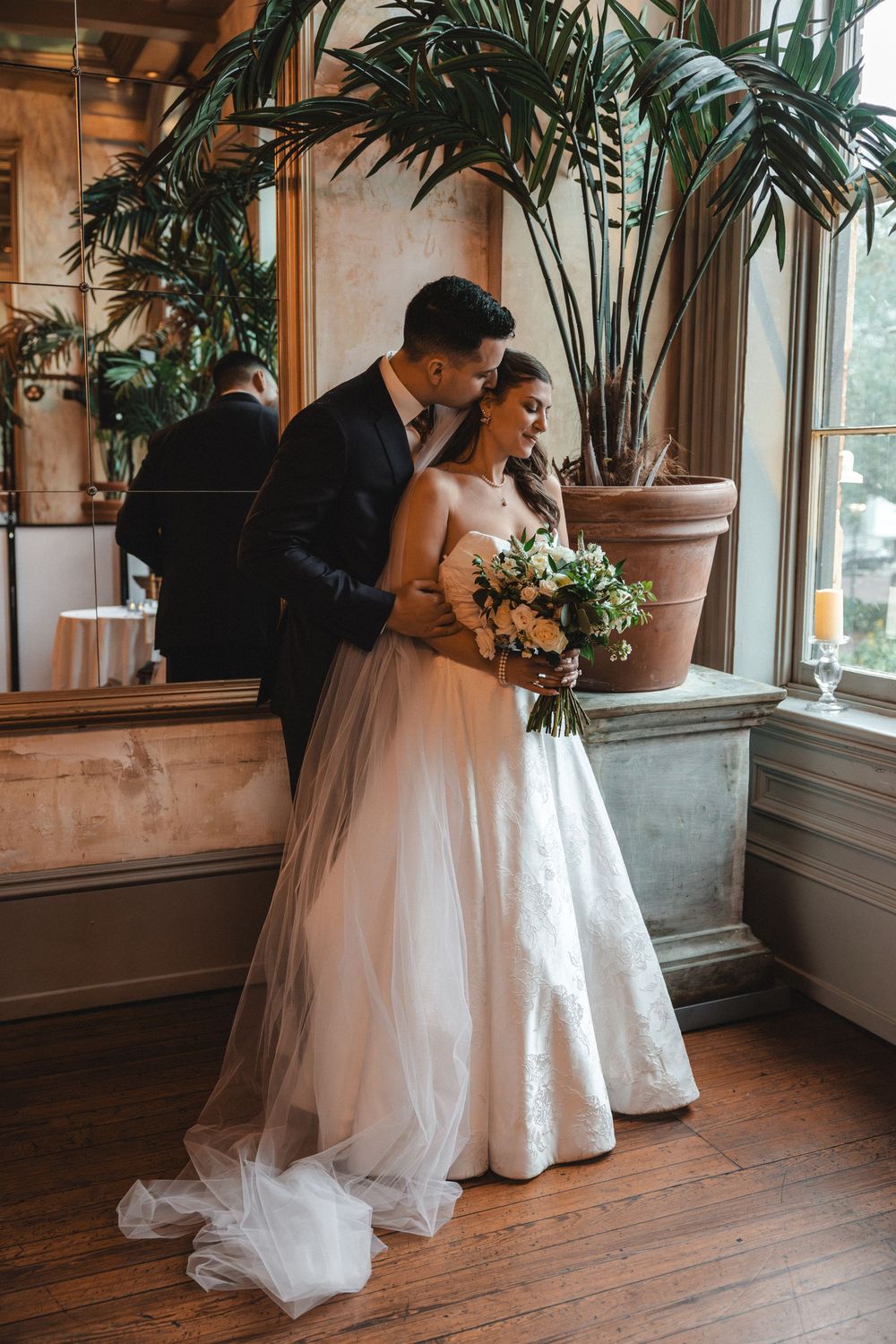
One of my recent weddings at Garibaldi's is a good example. Micaela and Lewis were married during a rare Savannah snowfall. We had to adjust portraits around the weather, move family photographs indoors, and rethink parts of the timeline.
The day didn't stop being their wedding because the plan changed.
We just adapted.
And some of the photographs that came out of those changes ended up being some of my favorites.
Documentary Photography Doesn't Mean Giving Up Beautiful Photographs
I think this is one of the biggest misconceptions about documentary wedding photography.
You don't have to choose between real photographs and beautiful photographs.
You can have both.
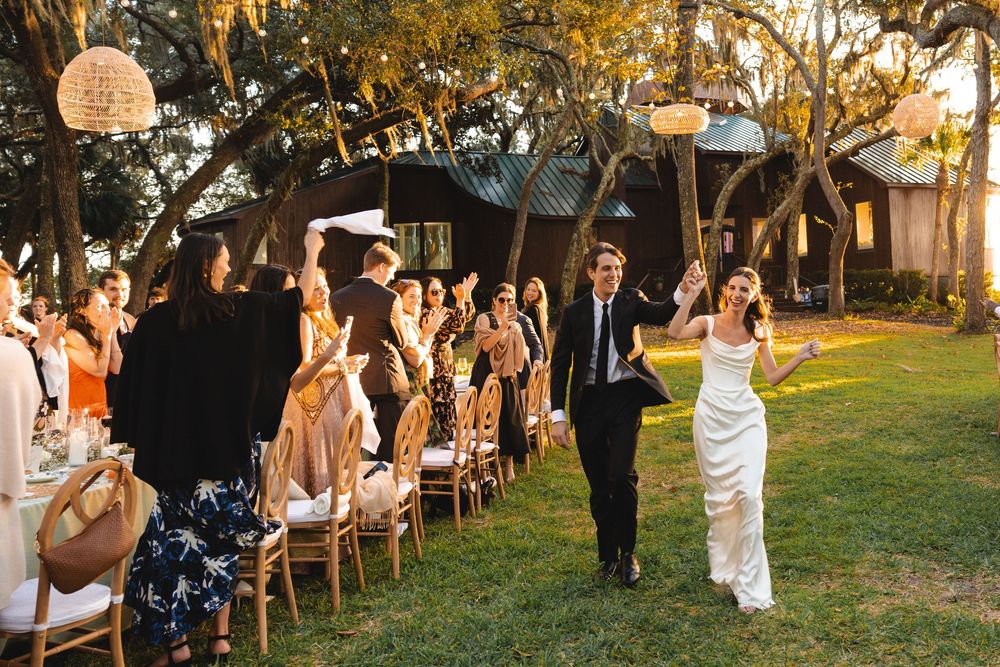
I want the photograph of your friends losing their minds on the dance floor.
I want the quiet moment with your dad before the ceremony.
I want the weird little thing nobody else noticed.
And I want a beautiful, timeless, simple portrait of the two of you that you'll still love decades from now.
Those things can exist in the same wedding gallery.
The difference is that I don't think the latter should require taking you away from your actual wedding for hours at a time.
Where Do You Want to Fall on the Spectrum?
There isn't one correct way to have your wedding photographed.
Maybe you want lots of portraits and a photographer who directs you throughout the day.
Maybe you want a handful of simple portraits and mostly candid coverage.
Maybe you want family photographs and a few portraits, and then you want your photographer to disappear into the background.
Or maybe you genuinely don't want portraits at all and want the whole thing documented as it happens.
All of those are valid.
My job isn't to force you into my preferred amount of photographic intervention.
It's to understand how you want to experience your wedding and photograph it accordingly.
For most of my couples, that means a balance: beautiful, simple portraits when they matter, intentional direction when it's useful, and a lot of space for the rest of the day to unfold naturally.
And if you want something more purely journalistic, I'm comfortable going all the way there.
What I Want You to Remember
When you look at your wedding photographs years from now, I don't want you to see a collection of technically perfect images that could have belonged to anybody.
I want you to recognize yourselves.
I want you to remember the people who were there.
The things that made you laugh.
The things that surprised you.
The little moments you didn't even know happened.
The parts of the day that went according to plan—and the parts that absolutely didn't.
That's what I love about documentary photography.
Whether I'm working completely hands-off or stepping in briefly to make a portrait, the goal is the same:
to make photographs without taking you out of your own wedding.
After 16 years of photographing weddings, that's still the part I'm most interested in.
Looking for a Documentary Wedding Photographer in Savannah?
Maybe you want a photographer who will give you beautiful, timeless, simple portraits—but won't turn your wedding into a photo shoot.
Maybe you want mostly candid coverage, with just enough direction to make sure you get the photographs that matter to you.
Or maybe you want the full journalistic experience: no posing, no interruptions, no pulling you away from the party. Just someone paying close attention and documenting the day as it happens.
We can figure out what that looks like for you.
My job isn't to fit your wedding into a particular photography style. It's to understand how you want to experience the day, and then make photographs that preserve that experience.
If that sounds like the way you want to remember your wedding, [get in touch] and tell me what you're planning.